 EN
EN


A yoga ball is one of the most versatile and accessible tools for improving how your body moves and performs. Whether you are recovering from an injury, training for athletic performance, or simply trying to move better in everyday life, incorporating a yoga ball into your routine delivers measurable and lasting results. Its rounded, unstable surface challenges muscles that flat-ground exercises tend to ignore, helping build the kind of functional strength and flexibility that truly matters.
Understanding how a yoga ball improves overall mobility and function requires looking at both the mechanics of the tool and the nature of human movement. Mobility is not just about flexibility — it is the ability to move joints through their full range of motion with control and strength. A yoga ball creates an environment where the body must constantly stabilize, adjust, and engage multiple muscle groups simultaneously. This is exactly the kind of training that translates to better movement in real life, from lifting boxes to playing sports to simply sitting without discomfort.
How a Yoga Ball Challenges the Body Differently
The Role of Instability in Functional Training
When you perform an exercise on a yoga ball, the unstable surface immediately changes how your nervous system responds. Unlike a weight bench or floor mat, a yoga ball shifts slightly under your body, forcing your stabilizing muscles to activate continuously throughout every movement. This instability is not a flaw — it is the feature that makes yoga ball training uniquely effective for improving functional mobility.
Each time you sit, lie, or balance on a yoga ball, your core muscles engage to maintain posture. Your hips, lower back, and shoulder girdle all contribute to keeping you upright and controlled. Over time, this repeated demand on stabilizing muscles builds the kind of deep muscular endurance that improves how your joints move and how efficiently your body functions during everyday tasks. A yoga ball essentially replicates the unpredictable nature of real-world movement in a controlled training setting.
Joint Range of Motion and Muscle Activation
One of the most direct benefits of yoga ball training is the improvement in joint range of motion. Exercises performed on a yoga ball often allow greater movement arcs than the same exercises done on flat surfaces. For example, a yoga ball chest stretch opens the thoracic spine and pectoral muscles in ways that floor stretching cannot replicate. The curvature of the yoga ball naturally supports a deeper, more effective stretch.
Muscle activation studies consistently show that core and hip muscles work significantly harder during yoga ball exercises compared to equivalent floor-based movements. This heightened activation means that a yoga ball workout builds not just flexibility but dynamic mobility — the ability to move with strength through a full range of motion. That combination is what translates most powerfully to improved physical function.
Key Yoga Ball Exercises That Improve Mobility
Spinal Mobility and Posture Correction
The yoga ball is especially effective for improving spinal mobility, which is often the root cause of limited overall movement. Rolling gently over a yoga ball in a supine position allows the thoracic spine to extend and decompress, counteracting the forward rounding that builds up from prolonged sitting. Performing this yoga ball stretch regularly can significantly reduce spinal stiffness and improve upright posture.
Seated balance exercises on a yoga ball are equally valuable for posture. Simply sitting tall on a yoga ball engages the lumbar stabilizers and encourages natural spinal alignment. When used as a replacement for a desk chair for short periods, the yoga ball trains postural awareness passively. Over weeks of consistent practice, spinal alignment and mobility improve noticeably, and many users report reduced back discomfort as a direct result of yoga ball integration.
Hip, Glute, and Lower Body Mobility Work
Hip mobility is central to functional movement, and a yoga ball provides an excellent platform for hip-focused training. Yoga ball hip bridges, for example, require the glutes, hamstrings, and core to work together under an unstable load, building hip extension strength and mobility simultaneously. The yoga ball also enables a greater bridge range compared to floor bridges, allowing deeper hip flexor stretching.
Wall squats using a yoga ball are another powerful lower body mobility exercise. By placing the yoga ball between your back and a wall and performing slow, controlled squats, you develop quadricep strength, knee tracking control, and hip flexion range. The yoga ball supports proper alignment throughout the movement, making it suitable for rehabilitation settings as well as general fitness. These yoga ball exercises build the leg and hip mobility that directly improves walking, climbing stairs, and athletic movement.
Integrating Yoga Ball Training for Long-Term Functional Gains
Programming Yoga Ball Work into Your Routine
Getting the most out of a yoga ball requires thoughtful integration into your overall training program. Using a yoga ball two to four times per week as part of a warm-up, cool-down, or dedicated mobility session produces consistent improvement over time. Pairing yoga ball exercises with complementary strength work ensures that the mobility you develop also has the muscular support to be functional and durable.
Progression matters with yoga ball training. Beginners should start with foundational yoga ball stability exercises before moving to more dynamic movements. As the body adapts to the yoga ball's instability demands, exercises can be made more challenging by adding resistance, increasing movement speed, or reducing points of contact. This progressive approach ensures that yoga ball training continues to drive improvement rather than becoming a static routine.
Choosing the Right Yoga Ball Size and Quality
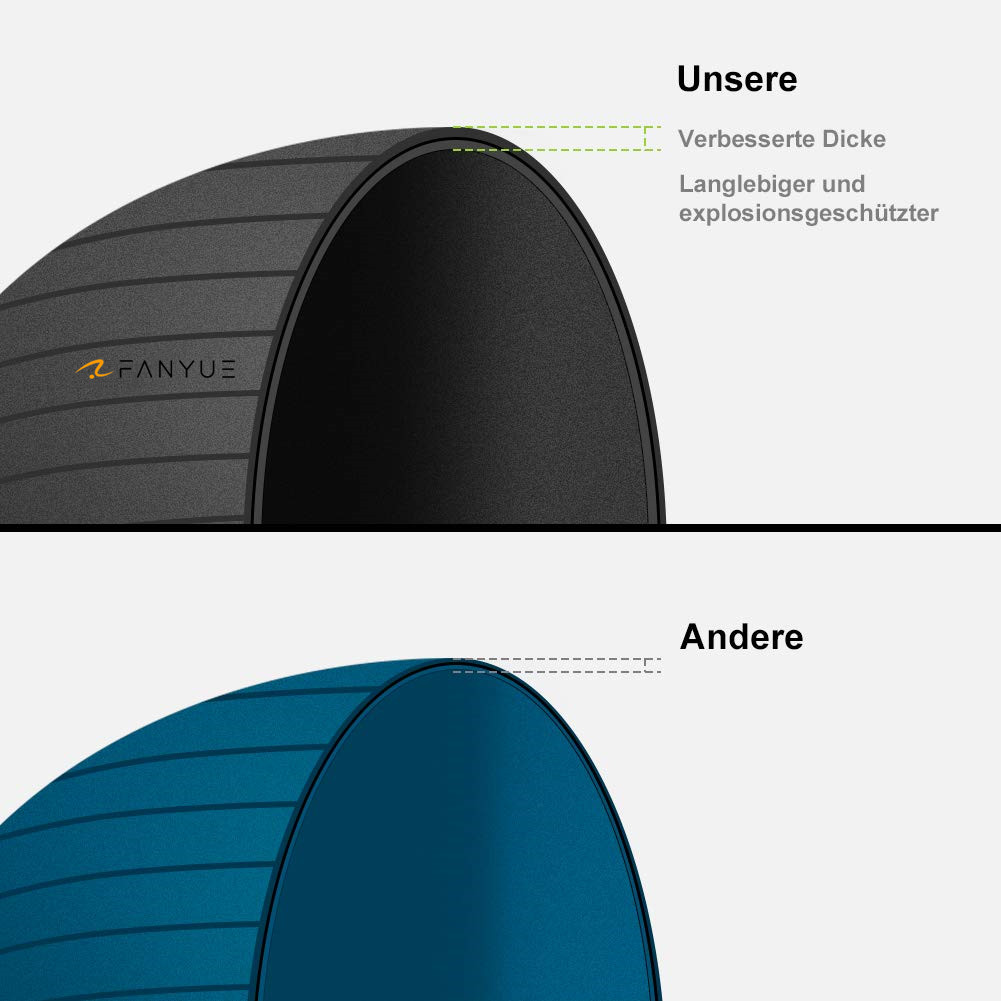
The effectiveness of yoga ball training depends partly on selecting the right yoga ball for your height and intended use. A yoga ball that is too small or too large will compromise exercise mechanics and potentially reduce the mobility benefits. Most manufacturers provide sizing guides based on user height, ensuring proper joint angles during yoga ball exercises. Anti-burst construction and non-slip surfaces are also critical quality factors, as they ensure the yoga ball performs safely under load and remains stable on various floor surfaces.
FAQ
How often should I use a yoga ball to improve mobility?
Using a yoga ball two to four times per week is sufficient for most people to see meaningful mobility improvements. Consistency matters more than frequency, so integrating yoga ball exercises regularly into your existing routine will produce the best long-term results.
Can a yoga ball help with back pain and posture?
Yes, a yoga ball is widely used for spinal mobility work and postural improvement. Exercises that use the yoga ball for thoracic extension and lumbar stabilization can reduce back stiffness and improve alignment, which directly addresses many common sources of back discomfort.
What size yoga ball should I choose for general fitness?
For general fitness and mobility training, the correct yoga ball size is typically determined by user height. A person between 5 feet 1 inch and 5 feet 7 inches generally uses a 55 cm yoga ball, while taller individuals benefit from a 65 cm or 75 cm yoga ball. Confirming sizing guidelines before purchase ensures safe and effective yoga ball training.