 EN
EN


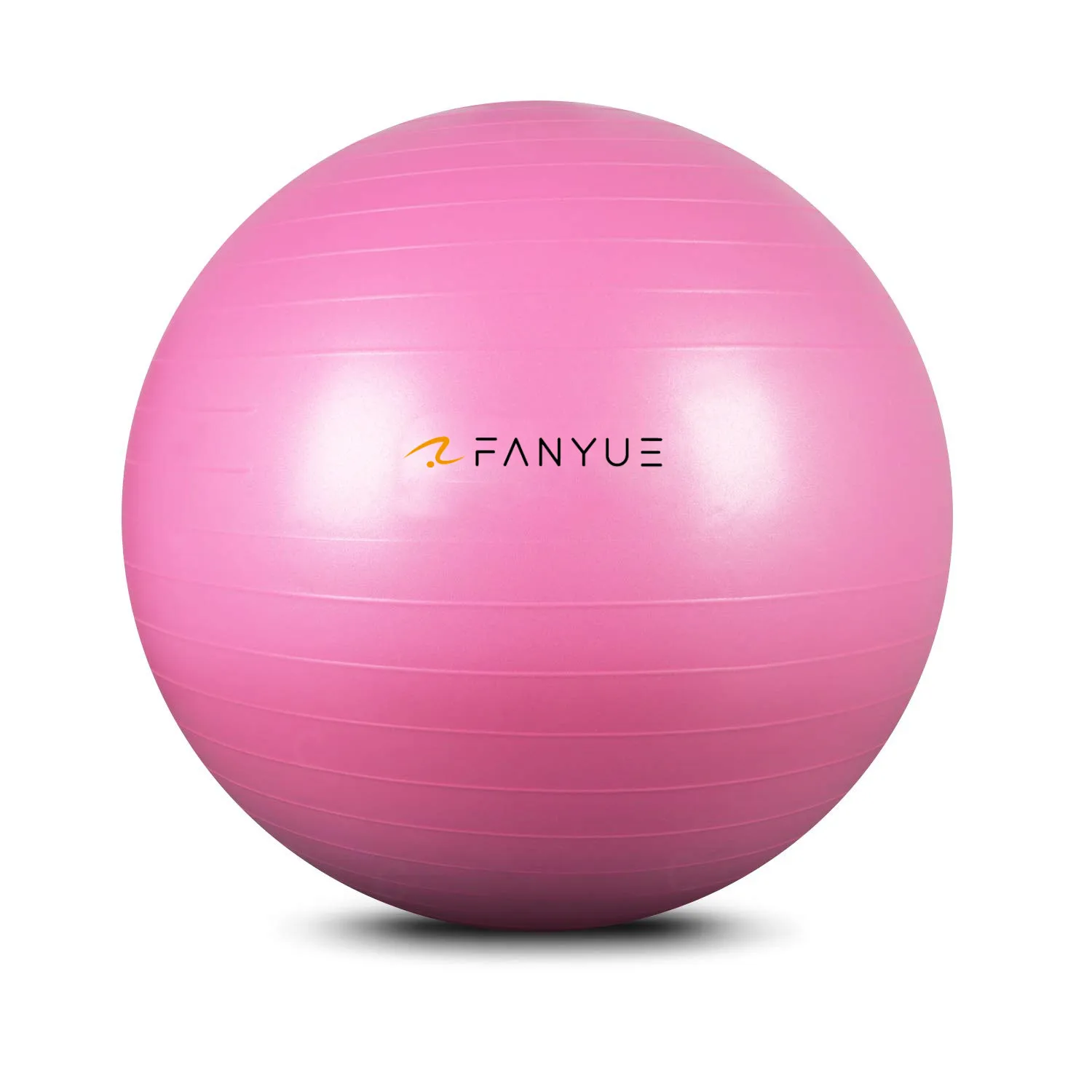
If you have ever wondered why fitness coaches, physical therapists, and athletes all keep a yoga ball close at hand, the answer lies in one powerful concept: deep core muscle activation. Unlike flat, stable surfaces, a yoga ball creates a dynamic, unstable training environment that forces your body to recruit muscles it rarely uses during conventional gym exercises. This unique property makes the yoga ball one of the most effective tools available for building true functional core strength rather than just surface-level muscle tone.
The deep core includes muscles such as the transverse abdominis, multifidus, pelvic floor, and diaphragm. These muscles are not easily targeted through traditional crunches or sit-ups. A yoga ball changes that equation entirely by demanding constant micro-adjustments in posture and balance throughout every exercise. This article explores exactly how yoga ball training triggers deep core engagement, what physical mechanisms are at work, and how to apply this knowledge to your training program effectively.
The Instability Principle Behind Yoga Ball Training
How an Unstable Surface Changes Muscle Recruitment
The core scientific principle that makes the yoga ball so effective is neuromuscular instability. When you sit, kneel, or lie on a yoga ball, your center of gravity is never fixed. The yoga ball surface shifts constantly in response to your body weight distribution, requiring your nervous system to send rapid correction signals to the surrounding stabilizer muscles. This process is called proprioceptive training, and it is what separates yoga ball workouts from most conventional exercises.
Research in sports rehabilitation consistently shows that exercises performed on a yoga ball increase the activation of deep spinal stabilizers compared to the same movements performed on a flat bench or mat. The yoga ball essentially removes the passive support that rigid surfaces provide, forcing your body to generate its own internal stability. Over time, this builds a more responsive, coordinated core that supports the spine under real-world conditions.
Surface Contact and Postural Demand
When you use a yoga ball as a bench or seat, the reduced contact area between your body and the surface amplifies the postural challenge. Your hips, lower back, and abdominal region must work continuously to prevent the yoga ball from rolling. Even a simple seated position on a yoga ball requires the deep postural muscles to fire at a low but sustained level, which builds endurance in the stabilizing muscle chains over time. This cumulative effect explains why replacing a desk chair with a yoga ball is sometimes recommended for people dealing with lower back tension.
Key Deep Core Muscles Activated by Yoga Ball Exercises
Transverse Abdominis and the Inner Unit
The transverse abdominis is the deepest abdominal muscle and acts like a natural weightlifting belt around the torso. Standard floor exercises rarely challenge this muscle because the floor provides external support. When you perform a plank or a pike on a yoga ball, the absence of that external support compels the transverse abdominis to contract firmly to protect the spine. This is one of the primary reasons physical therapists use the yoga ball in rehabilitation programs for back injury recovery.
The inner unit also includes the multifidus, a set of small muscles running along the spine that are critical for rotational stability and segment-by-segment spinal control. Yoga ball exercises that involve hip extension, rotation, or lateral movement directly challenge the multifidus and surrounding erector spinae muscles. The yoga ball creates movement variability that static exercises simply cannot replicate, making it an essential tool for anyone serious about spinal health.
Hip Stabilizers and Pelvic Floor Integration
Deep core training on a yoga ball is never isolated to the abdominal region alone. The hip stabilizers, including the gluteus medius and deep hip rotators, are consistently recruited during yoga ball movements to maintain pelvic alignment. Poor pelvic stability is a common contributor to lower back pain and knee injuries, and yoga ball training directly addresses this weakness. When the pelvis is well-controlled, the entire core kinetic chain functions more efficiently, reducing injury risk during both athletic and everyday activities.
The pelvic floor also plays a supporting role during yoga ball exercise. Maintaining balance on the yoga ball requires subtle co-contraction of the pelvic floor muscles, which contributes to intra-abdominal pressure management. This is particularly relevant for postpartum fitness recovery, where pelvic floor re-engagement is a clinical priority. Yoga ball work offers a low-impact, controlled environment for rebuilding this foundational strength.
Practical Yoga Ball Exercises for Deep Core Development
Ball Plank and Rollout Variations
The yoga ball plank is one of the most demanding deep core exercises available. By placing your forearms or hands on the yoga ball instead of the floor, you dramatically increase the instability and the demand on your transverse abdominis and shoulder stabilizers. Even experienced exercisers often find a 30-second yoga ball plank far more challenging than a 90-second floor plank. The yoga ball rollout, where you extend your arms forward while kneeling, progressively loads the deep core through a long lever action that is nearly impossible to replicate with floor-based movements.
Hip Bridge and Dead Bug Progressions
The yoga ball hip bridge places your feet or shoulders on the yoga ball while you raise and lower your hips. This variation activates the glutes, hamstrings, and deep core simultaneously while requiring ongoing balance correction. It is an excellent exercise for individuals recovering from lower back dysfunction. The dead bug exercise performed with a yoga ball held between the knees and hands adds a pressing challenge that forces the deep abdominals to resist extension under load. Both movements on the yoga ball build the kind of integrated, functional core strength that translates directly into better posture and reduced discomfort during prolonged sitting or standing.
Progressively challenging your yoga ball routine by reducing base of support, adding movement complexity, or increasing time under tension ensures continued adaptation in the deep core musculature. The yoga ball is not just a beginner tool. It scales effectively for advanced athletes who want to add neuromuscular complexity to their training. Consistency with yoga ball exercises over several weeks produces measurable improvements in balance, posture, and functional strength across all fitness levels.
FAQ
How often should I use a yoga ball for core training?
Training with a yoga ball two to four times per week is generally sufficient to see meaningful improvements in deep core strength and stability. Allow at least one rest day between sessions to let the stabilizing muscles recover and adapt. Beginners may start with shorter sessions of 15 to 20 minutes and gradually increase duration and exercise complexity as their balance and endurance improve.
Is a yoga ball safe for people with lower back pain?
For most people with non-acute lower back pain, gentle yoga ball exercises can be highly beneficial when performed with proper form. The yoga ball supports spinal decompression movements and activates the stabilizing muscles that protect the lower back. However, anyone with a diagnosed spinal condition or acute injury should consult a healthcare professional before beginning a yoga ball exercise program to ensure the exercises are appropriate for their specific condition.
What size yoga ball is best for deep core exercises?
The correct yoga ball size depends primarily on your height. A 55 cm yoga ball is typically recommended for individuals under 165 cm tall, while a 65 cm yoga ball suits those between 165 cm and 185 cm. A 75 cm yoga ball is appropriate for taller users. When seated on the properly sized yoga ball, your hips and knees should form approximately a 90-degree angle. Using the correct size ensures optimal joint alignment and maximizes the deep core engagement during exercise.