 EN
EN


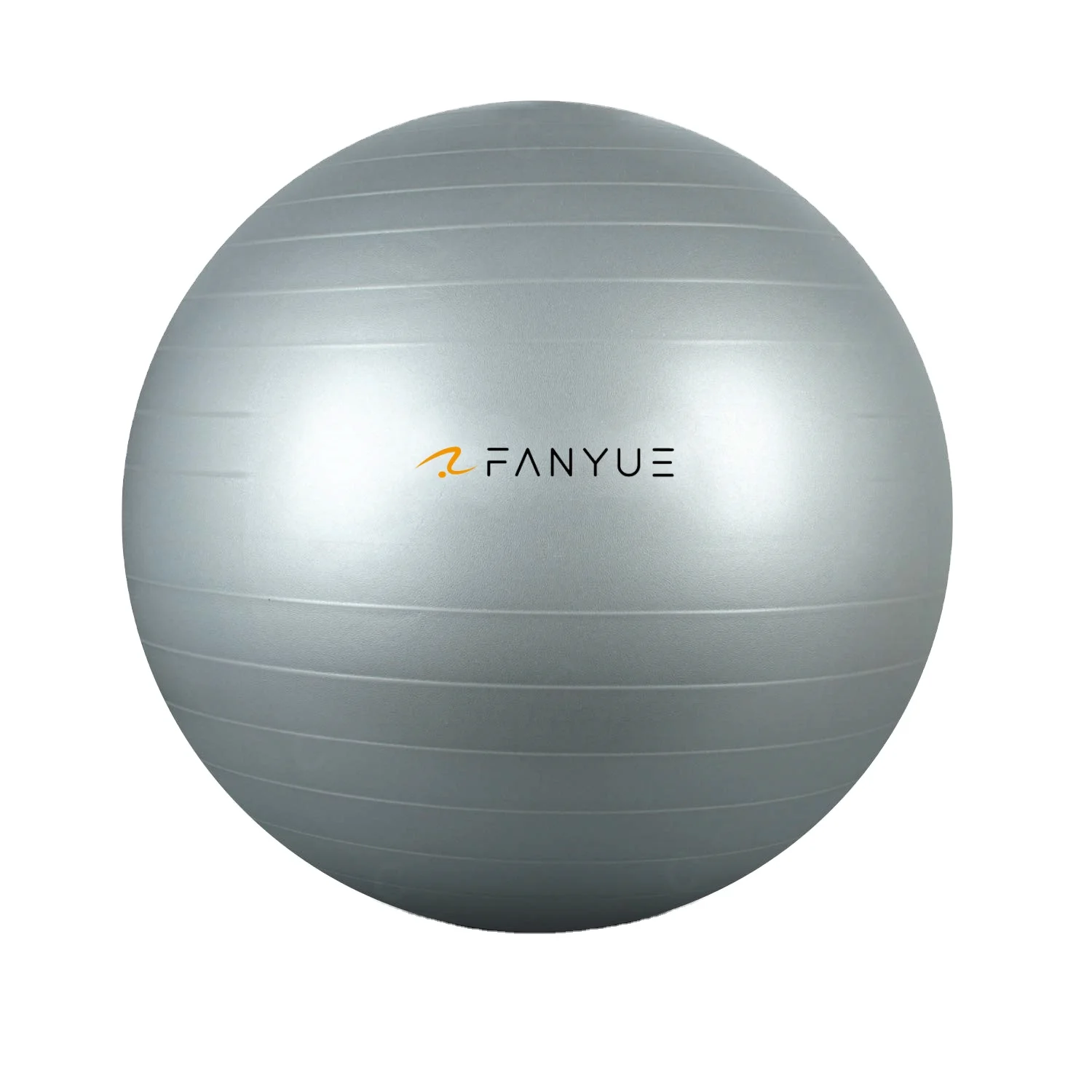
When fitness instructors plan group sessions, equipment choices directly affect safety, engagement, and results. The yoga ball is one of those tools that consistently generates questions in group fitness contexts. Can it truly support multiple participants at once, or is it better suited for solo training? The short answer is yes — a yoga ball is well-suited for group fitness sessions when selected and used correctly.
A yoga ball offers versatility that many rigid fitness tools cannot match. In group settings, it accommodates participants of varying fitness levels, body types, and experience. Whether the session focuses on core stability, balance training, or low-impact cardio, the yoga ball adapts naturally to each exercise. This adaptability makes the yoga ball a practical and cost-effective investment for fitness studios, corporate wellness programs, and community fitness classes.
How a Yoga Ball Supports Group Fitness Design
Scalability Across Fitness Levels
One of the strongest arguments for using a yoga ball in group settings is its scalability. A beginner participant can use the yoga ball for seated balance work, while a more advanced participant performs dynamic movements on the same yoga ball. This range means an instructor can lead a single class without needing separate equipment tiers. The yoga ball removes the barrier of 'one size fits one skill level' that limits more specialized tools.
Instructors also appreciate that the yoga ball supports synchronized group movements. Exercises such as yoga ball wall squats, yoga ball chest passes, or seated yoga ball bouncing can be performed simultaneously, creating a cohesive group energy. Because every participant uses the same yoga ball format, the class flows without interruption.
Core Coordination and Group Dynamics
The yoga ball naturally activates core muscles during almost every exercise, making it ideal for group sessions aimed at functional fitness. When participants engage their core simultaneously on a yoga ball, the instructor can observe form corrections across the room with ease. The yoga ball keeps participants actively engaged because balance demands constant micro-adjustments, reducing the chance of passive or distracted participation. This active engagement quality makes the yoga ball particularly valuable in group formats where motivation and focus matter.
Practical Considerations for Group Yoga Ball Sessions
Sizing and Space Requirements
For group sessions, the yoga ball must be sized correctly for each participant. A yoga ball that is too large or too small compromises posture and increases injury risk. Standard sizing guidance places participants with a height under 5 feet 4 inches on a 55 cm yoga ball, those between 5 feet 4 inches and 5 feet 11 inches on a 65 cm yoga ball, and taller participants on a 75 cm yoga ball. Fitness studios running group sessions should stock multiple yoga ball sizes to ensure every participant is properly fitted.
Space planning is equally important. Each yoga ball user needs approximately 1.5 to 2 square meters of clear floor space to move safely. When organizing a group session around the yoga ball, instructors should map the floor layout in advance and confirm there is adequate room between participants. A well-spaced yoga ball class reduces collision risk and allows the instructor to circulate freely for coaching.
Durability and Safety Standards
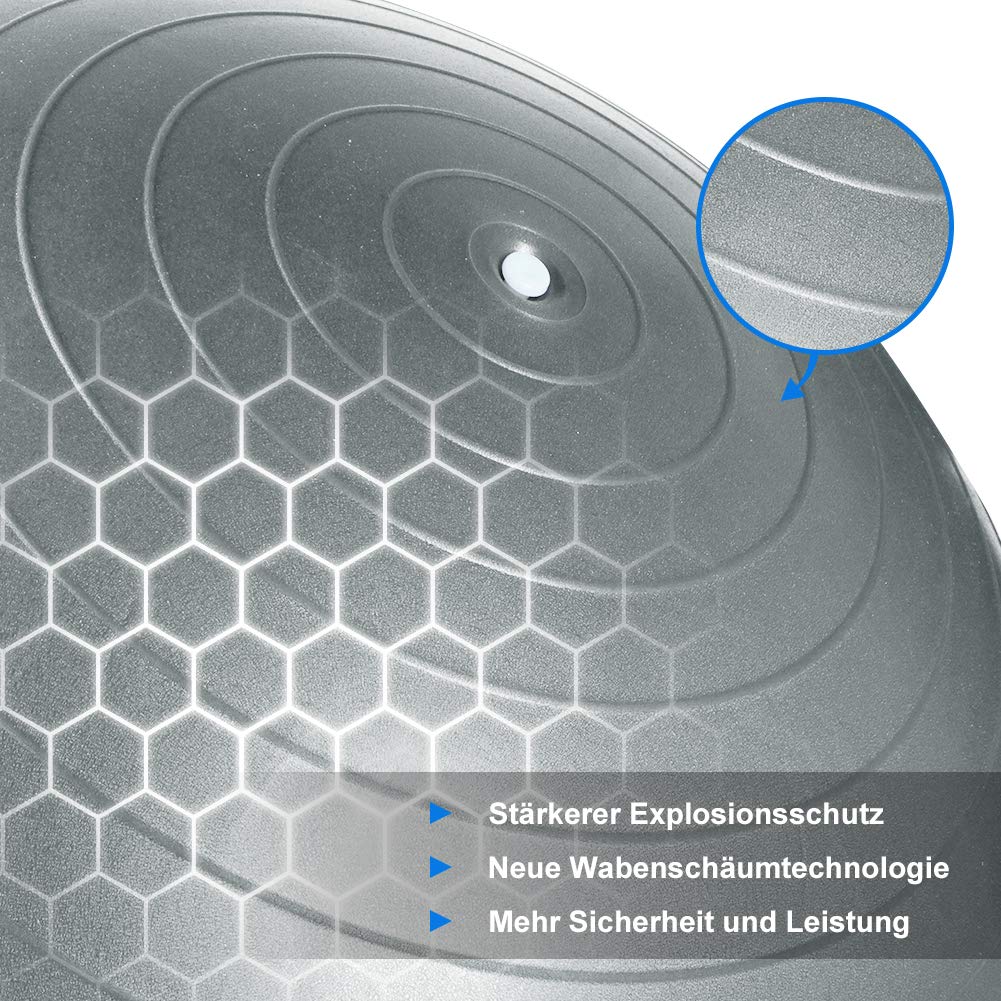
In a group fitness environment, the yoga ball faces repeated, sustained use across multiple participants in a single session. Anti-burst PVC construction is essential for any yoga ball used in group training. An anti-burst yoga ball deflates slowly if punctured rather than bursting suddenly, protecting participants from falls or injuries. For commercial or studio use, only a yoga ball built with anti-burst material and a non-slip surface texture should be considered. These features ensure the yoga ball performs reliably even in high-frequency group use scenarios.
Weight capacity is another safety factor. A quality yoga ball designed for fitness use should support at least 200 to 300 kilograms under dynamic load conditions. Before introducing the yoga ball to group sessions, instructors should verify the rated load capacity and inspect each yoga ball regularly for signs of wear, surface cracking, or slow deflation. Replacing a worn yoga ball before it fails protects participants and maintains the overall safety standard of the class.
Maximizing Outcomes with Yoga Ball Group Workouts
Exercise Programming for Groups
The yoga ball supports an impressive range of exercises suitable for group formats. Core circuits built around the yoga ball can include yoga ball plank holds, yoga ball crunches, yoga ball hamstring curls, and yoga ball push-up variations. Each of these yoga ball movements targets functional strength while maintaining the balance challenge that defines yoga ball training. A structured 45-minute session can cycle through upper body, lower body, and core yoga ball exercises while keeping all participants engaged from start to finish.
Warm-up and cool-down phases also benefit from the yoga ball. Gentle seated yoga ball bouncing increases circulation at the start of class, while supported yoga ball stretching during cool-down improves flexibility and recovery. The yoga ball thus serves the entire session arc rather than just isolated exercise blocks. This full-session utility justifies the yoga ball as a primary group fitness tool rather than a supplementary prop.
Instructor Tips for Yoga Ball Group Classes
Successful yoga ball group sessions depend on clear instructor communication. Because the yoga ball introduces an unstable surface, first-time participants need brief orientation on how to sit, balance, and move on the yoga ball safely. Demonstrating proper yoga ball positioning before each exercise prevents poor form that could lead to strain. Instructors should also remind participants to avoid rolling or bouncing the yoga ball near others during transitions, minimizing the risk of collision in busy class environments.
FAQ
What size yoga ball is best for group fitness classes?
The ideal yoga ball size depends on participant height. A 55 cm yoga ball suits shorter participants, a 65 cm yoga ball fits average-height adults, and a 75 cm yoga ball is recommended for taller individuals. Stocking all three sizes ensures every group fitness participant uses the yoga ball correctly and safely.
How many yoga balls does a studio need for group sessions?
A studio should have at least one yoga ball per participant in the maximum class size. Having a few extra yoga ball units as backup accounts for inflation variations and any yoga ball that needs to be replaced. For commercial studios, purchasing yoga ball equipment in bulk wholesale quantities reduces cost per unit significantly.
Can a yoga ball be used by beginners in a group class?
Yes. The yoga ball is one of the most beginner-accessible fitness tools available. Beginners can start with simple seated balance on the yoga ball and progress gradually to more dynamic yoga ball exercises as their stability improves. In a group class, the yoga ball allows instructors to offer modified and advanced variations simultaneously, making it inclusive for all experience levels.