 EN
EN


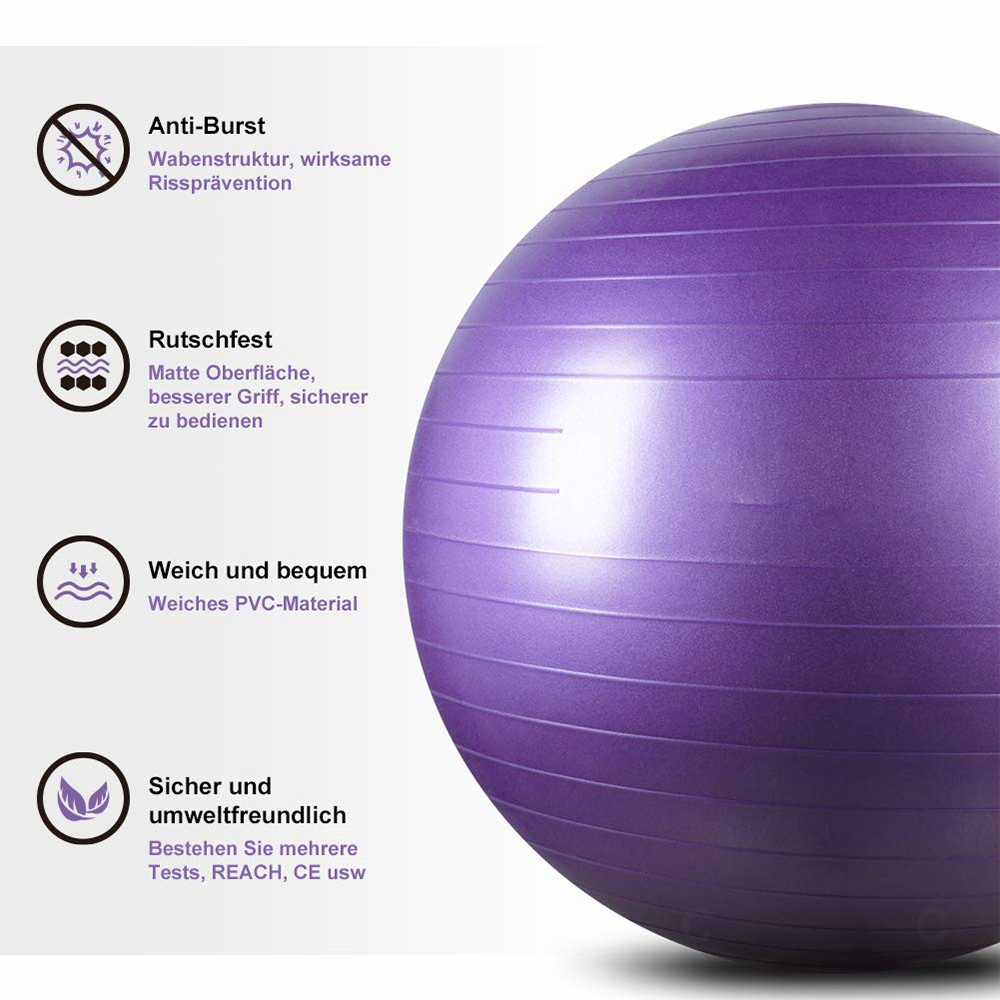
Functional movement training focuses on exercises that mirror the natural patterns your body uses in everyday life and sport. Incorporating a yoga ball into this style of training adds an unstable surface that challenges your neuromuscular system in ways flat-ground exercises simply cannot replicate. The yoga ball has earned its place as a core functional training tool in gyms, rehabilitation centers, and home workout spaces worldwide.
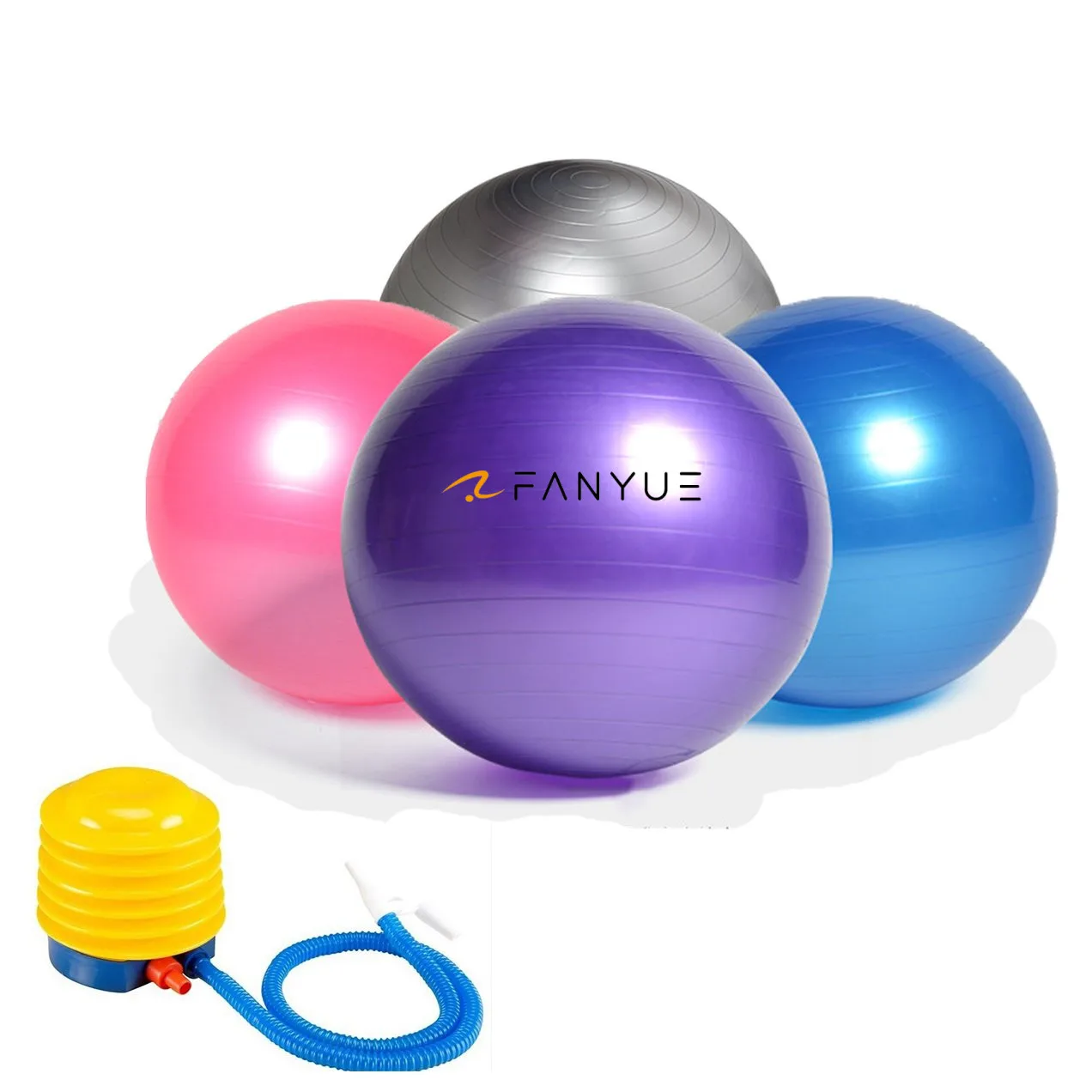
When you train on a yoga ball, your stabilizer muscles engage constantly to maintain balance, control posture, and complete the movement correctly. This engagement transfers directly to functional strength, which is the kind your body applies when lifting, bending, reaching, or recovering from sudden shifts in balance. Understanding how yoga ball workouts support functional movement training helps you get far more value from every session you invest in this versatile piece of equipment.
The Role of Instability in Functional Training
How the Yoga Ball Creates Productive Instability
A yoga ball introduces a controlled unstable environment that forces your body to recruit multiple muscle groups at once. Unlike a flat bench or stable floor, the yoga ball shifts slightly with every movement, requiring your core, hips, and supporting joints to make continuous micro-adjustments. This is precisely what functional movement demands in real-world situations, where surfaces, loads, and angles are rarely perfectly controlled.
Training with a yoga ball on exercises like wall squats, incline push-ups, or seated overhead presses means your central nervous system must coordinate balance and force output simultaneously. This dual demand improves proprioception, which is your body's ability to sense its own position in space. Athletes and active individuals who train consistently with a yoga ball develop faster reaction times and more fluid movement patterns as a result.
Stabilizer Muscle Activation with a Yoga Ball
One of the most valuable contributions a yoga ball makes to functional training is the deep activation of stabilizer muscles, particularly those surrounding the lumbar spine, pelvis, and shoulder girdle. These smaller muscles are often undertrained in conventional gym settings because machines and stable surfaces handle the stabilization work automatically. A yoga ball removes that mechanical support and forces these muscles to do their job.
Exercises such as the yoga ball plank, yoga ball hamstring curl, and yoga ball pike engage stabilizers that directly support healthy posture, spinal alignment, and efficient force transfer. When these muscles are consistently activated and strengthened through yoga ball training, everyday movements like carrying loads, climbing stairs, or changing direction become more controlled and less injury-prone.
Key Yoga Ball Exercises That Build Functional Strength
Core and Spinal Control Movements
The yoga ball is especially effective for building the kind of core strength that functional movement requires. A yoga ball rollout, for example, trains anti-extension core stability, which is the ability to resist your spine collapsing under load. This directly supports lifting mechanics and postural endurance in both sport and workplace environments. Performing a yoga ball back extension trains the erector spinae and glutes together, reinforcing the posterior chain that anchors nearly every functional movement pattern.
Seated balance holds on a yoga ball, where you maintain an upright spine without feet on the floor, develop deep lumbar stabilizers and hip flexor control simultaneously. Even this seemingly simple yoga ball drill produces meaningful improvements in dynamic posture over weeks of consistent practice. Including these movements two to three times per week within a structured program yields measurable gains in spinal control and movement confidence.
Lower Body and Hip Stability Training
Functional lower body training requires hip stability, single-leg strength, and the ability to decelerate force efficiently. A yoga ball supports all three when used correctly. The yoga ball wall squat is a particularly effective drill because it positions the spine neutrally while training quad and glute endurance through a full range of motion. Placing the yoga ball between your back and the wall during a squat removes shear force from the knee while reinforcing functional squat mechanics.
Single-leg yoga ball deadlifts and yoga ball glute bridges extend the challenge further by demanding unilateral coordination and hip hinge control. These are precisely the movement patterns used in running, stair climbing, and explosive sport actions. Training them on a yoga ball amplifies the neuromuscular demand and accelerates functional strength development compared to the same movements performed on stable surfaces.
Integrating the Yoga Ball Into a Functional Training Program
Programming Principles for Yoga Ball Use
Effective integration of the yoga ball into a functional training program depends on pairing the right yoga ball exercises with the right training phase. During the foundational phase, the yoga ball is best used for core activation, postural training, and basic stability work. As the athlete or client progresses, the yoga ball can be introduced into compound strength movements and dynamic drills that require greater coordination under load.
A practical approach is to begin each session with two to three yoga ball mobility and activation exercises before moving into primary strength work. This primes the stabilizer muscles and central nervous system before heavier demands are placed on the body. Later in the session, the yoga ball can reappear as a finisher for core endurance work, making its use purposeful throughout the entire training block.
Adapting Yoga Ball Work Across Fitness Levels
The yoga ball is an inclusive training tool that scales well across all fitness levels. Beginners benefit from using the yoga ball for seated posture corrections and supported balance exercises that introduce instability gradually. Intermediate trainees can use the yoga ball to progress classic movements like push-ups, squats, and lunges with added balance challenge. Advanced athletes can incorporate the yoga ball into explosive and reactive drills that stress the neuromuscular system under speed and load.
Choosing the correct yoga ball size matters significantly for functional training outcomes. A properly sized yoga ball ensures neutral spine alignment during seated and supine exercises. Most guidelines recommend matching yoga ball diameter to user height, which keeps joint angles biomechanically sound and prevents compensatory movement patterns from forming during training.
FAQ
How often should I use a yoga ball in my functional training routine?
Using the yoga ball two to four times per week within a balanced functional training program is effective for most people. Consistent yoga ball use over four to eight weeks produces noticeable improvements in core stability, balance, and movement control. Avoid overloading early sessions with too many yoga ball exercises before your stabilizers have adapted to the demands.
What size yoga ball is best for functional movement exercises?
The correct yoga ball size depends on your height. People under 5 feet 5 inches generally work best with a 55 cm yoga ball. Those between 5 feet 5 inches and 6 feet typically use a 65 cm yoga ball, while taller individuals benefit from a 75 cm yoga ball. The right size keeps your hips and knees at a 90-degree angle when seated, which is the baseline for safe and effective yoga ball training.
Can a yoga ball replace conventional gym equipment for functional training?
A yoga ball complements rather than replaces conventional gym equipment. The yoga ball excels at developing stability, proprioception, and core endurance, but heavy load strength development still requires barbells, dumbbells, or resistance machines. The most effective functional training programs use the yoga ball strategically alongside traditional equipment to build a complete movement foundation.