 EN
EN


A yoga mat is far more than a simple floor covering. It is the foundation of a consistent flexibility and mobility practice. Whether you are a beginner learning basic stretches or an experienced practitioner working through advanced poses, the yoga mat provides the grip, cushioning, and defined space that makes focused movement possible. Understanding how yoga mat exercises directly improve your body's range of motion is the first step toward building a smarter, more effective routine.
Flexibility and mobility are not the same thing, although they work together closely. Flexibility refers to the ability of your muscles to lengthen passively, while mobility refers to your joints' active range of motion under control. A dedicated yoga mat practice trains both simultaneously, making it uniquely effective compared to isolated stretching or machine-based gym work. The yoga mat creates a consistent, low-impact environment where the body can safely explore its boundaries and gradually extend them over time.
The Role of the Yoga Mat in Building Flexibility
Creating a Safe and Stable Surface for Stretching
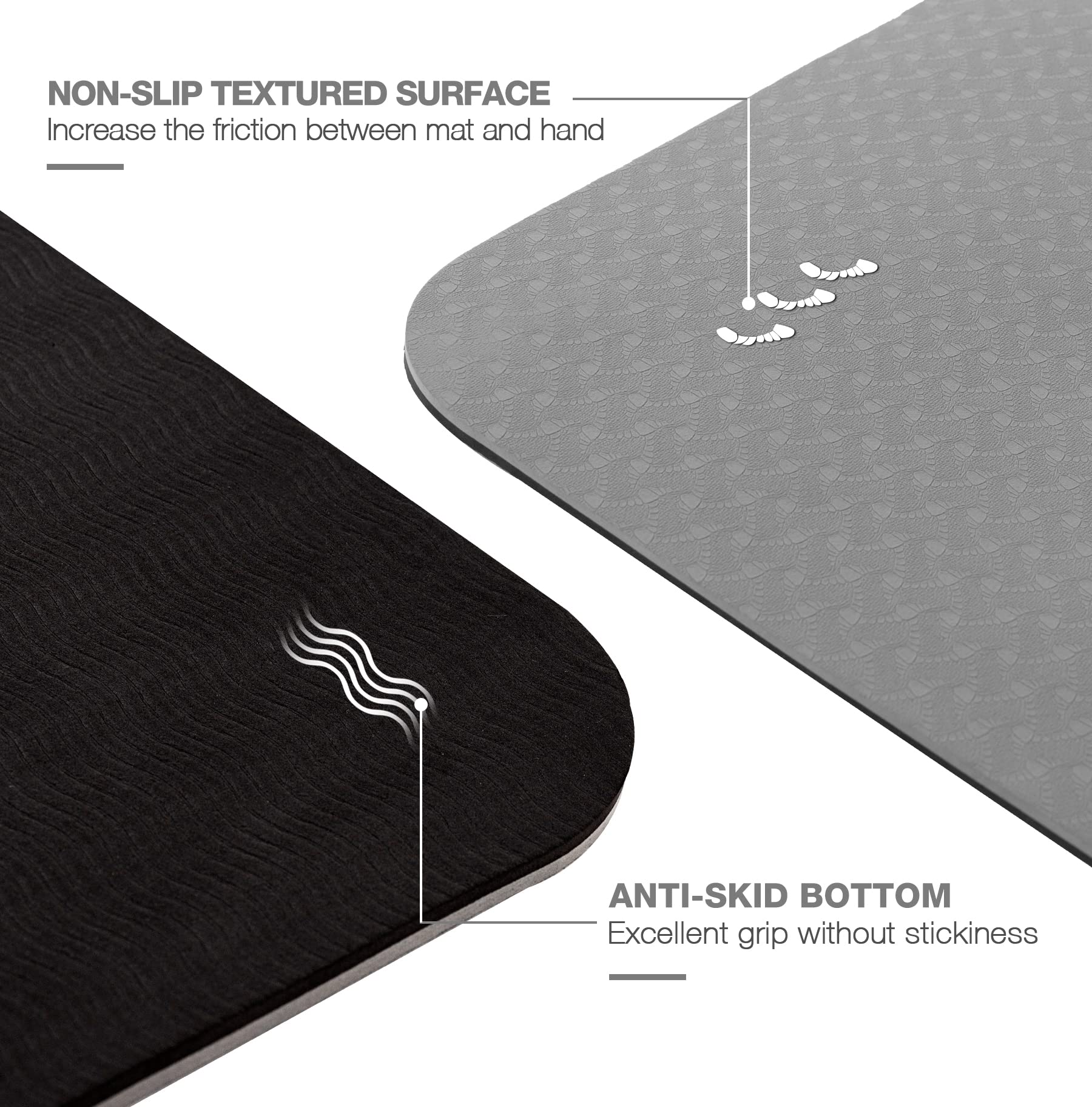
One of the most important contributions of the yoga mat to flexibility training is surface stability. Without a proper yoga mat, slipping during deep stretches can cause injury or discourage you from holding poses long enough to produce real change. A quality yoga mat with a non-slip surface allows you to settle into positions like seated forward folds, pigeon pose, and supine twists without fear of losing your base. This security directly encourages deeper, longer holds, which is exactly what the connective tissues and muscle fibers need to adapt and lengthen.
The cushioning of a yoga mat also matters. Thicker yoga mat options absorb pressure on the knees, hips, and spine, making floor-based flexibility work far more comfortable. When discomfort is reduced, practitioners naturally stay in poses longer, which accelerates flexibility gains. A yoga mat therefore acts as both a physical and psychological enabler of consistent practice.
How Consistent Yoga Mat Use Trains Muscle Length
Flexibility does not improve from a single session. It builds through repeated, gradual exposure of muscle groups to controlled tension over time. The yoga mat serves as your anchor for this daily or weekly practice. Regular yoga mat exercises like standing forward bends, low lunges, and spinal extensions cumulatively signal to the nervous system that greater muscle length is safe and sustainable. Over weeks and months, your hamstrings, hip flexors, thoracic spine, and shoulders respond by allowing a greater range of motion in everyday movement.
How Yoga Mat Exercises Develop Joint Mobility
Active Movement Patterns That Release Joint Restrictions
Mobility training on a yoga mat goes beyond static stretching. Active movement sequences performed on the yoga mat, such as cat-cow flows, hip circles, and spinal waves, teach the joints to move fluidly through their full range under muscular control. This is a critical distinction. Passive flexibility gained by simply pulling a limb into position does not translate reliably into functional movement. The yoga mat environment encourages movement quality rather than just end-range positioning, building mobile, capable joints that support athletic performance and daily activities equally.
Yoga mat exercises also address the synovial fluid circulation within joints. When you move through dynamic sequences on the yoga mat, joint surfaces receive fresh lubrication, reducing stiffness and supporting cartilage health over time. This makes yoga mat practice valuable not only for performance but also for long-term joint preservation, particularly for individuals with desk-bound lifestyles or repetitive-strain occupations.
Targeting Key Mobility Zones on the Yoga Mat
The yoga mat is particularly effective for targeting three high-priority mobility zones: the hips, thoracic spine, and ankle complex. Hip mobility exercises on the yoga mat, such as lizard pose and figure-four stretches, directly counteract the tightness caused by prolonged sitting. Thoracic spine rotations performed on the yoga mat improve posture and shoulder function simultaneously. Ankle dorsiflexion work done on the yoga mat supports better squatting mechanics and reduces lower-body injury risk. Addressing all three zones within a structured yoga mat session creates a compounding effect on whole-body movement quality.
Practical Yoga Mat Exercise Strategies for Better Results
Structuring a Yoga Mat Session for Maximum Flexibility Gain
To maximize flexibility and mobility improvements from yoga mat work, session structure matters. Begin each yoga mat session with five to eight minutes of dynamic movement, such as gentle spinal rolls and leg swings, to increase tissue temperature and blood flow. Follow this with your primary yoga mat stretching work, focusing on areas of greatest restriction. End each yoga mat session with two to three minutes of passive holds in positions like child's pose or supine twist, allowing the nervous system to absorb the changes achieved during active work. This three-phase structure, repeated consistently, produces measurable flexibility and mobility improvements far faster than random stretching.
Frequency is also a key variable. Practicing yoga mat flexibility work three to five times per week produces significantly better results than one long session per week. Short, focused yoga mat sessions of twenty to thirty minutes done regularly outperform infrequent marathon stretching efforts. The body adapts to repeated, moderate-dose stimulus more effectively than to occasional high-intensity exposure.
Choosing the Right Yoga Mat to Support Your Practice
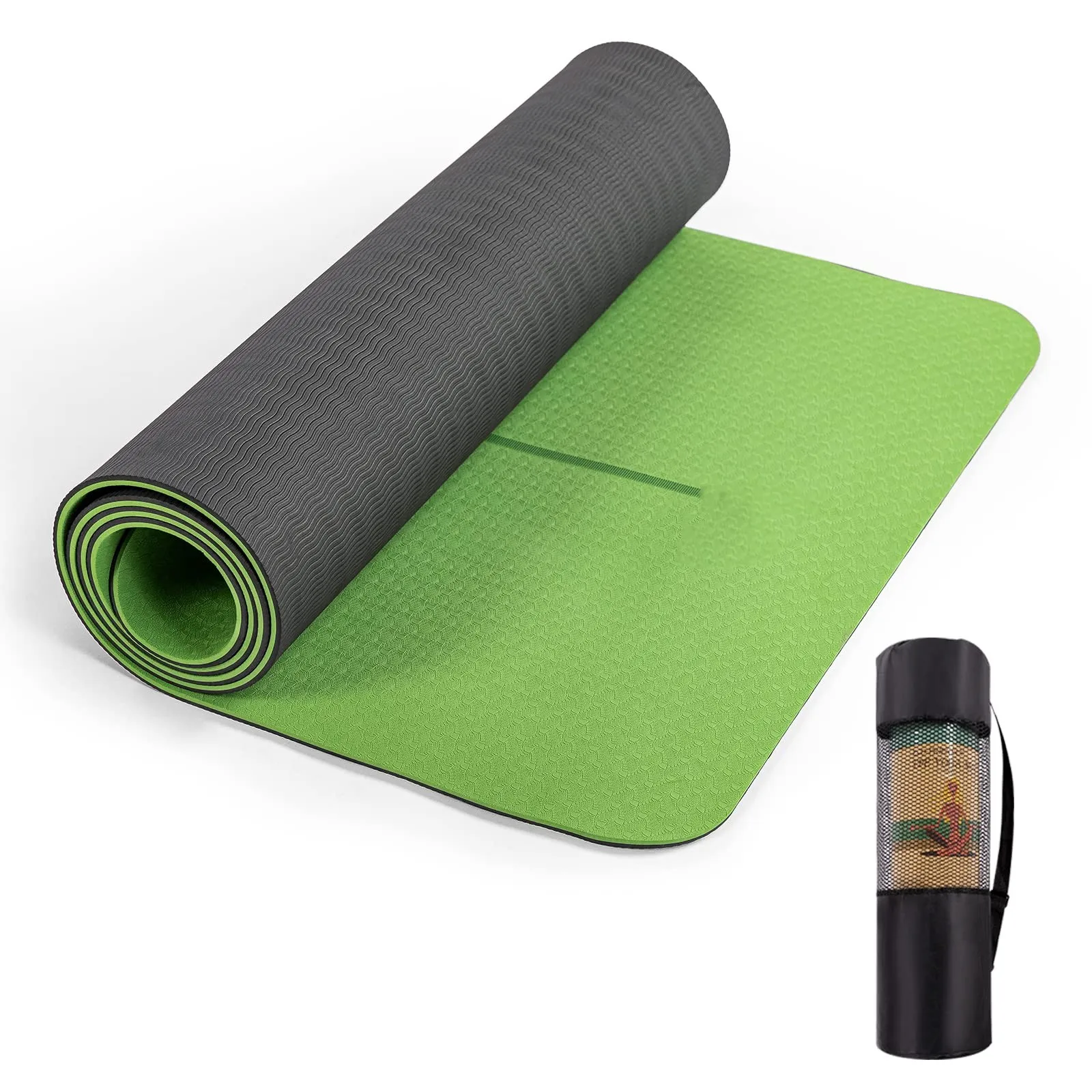
Not every yoga mat supports flexibility and mobility training equally. For floor-based stretching and mobility work, a yoga mat with adequate thickness, typically five to six millimeters, cushions joints without creating instability. A yoga mat with strong grip on both the top surface and the floor prevents shifting during deep poses. Eco-friendly TPE yoga mat materials offer a good balance of firmness, grip, and joint comfort, making them a practical choice for daily flexibility training. Selecting the right yoga mat is not a minor detail. It directly influences how deeply and safely you can work in each session.
FAQ
How often should I use a yoga mat to improve flexibility?
For meaningful flexibility improvements, using your yoga mat three to five times per week is recommended. Consistency matters more than session duration. Even a focused twenty-minute yoga mat session performed regularly will produce better results than occasional longer practices.
Can a yoga mat practice improve mobility for athletes?
Yes. A structured yoga mat practice improves joint range of motion, reduces muscle tightness, and enhances movement coordination, all of which directly support athletic performance. Many strength and conditioning programs now incorporate dedicated yoga mat mobility work as a standard component of athlete preparation and recovery.
What thickness of yoga mat is best for flexibility exercises?
A yoga mat in the five to six millimeter thickness range is generally ideal for flexibility and mobility exercises. This thickness provides enough cushioning to protect joints during floor work while remaining firm enough to support balance and stability during standing and transitional yoga mat poses.