 EN
EN


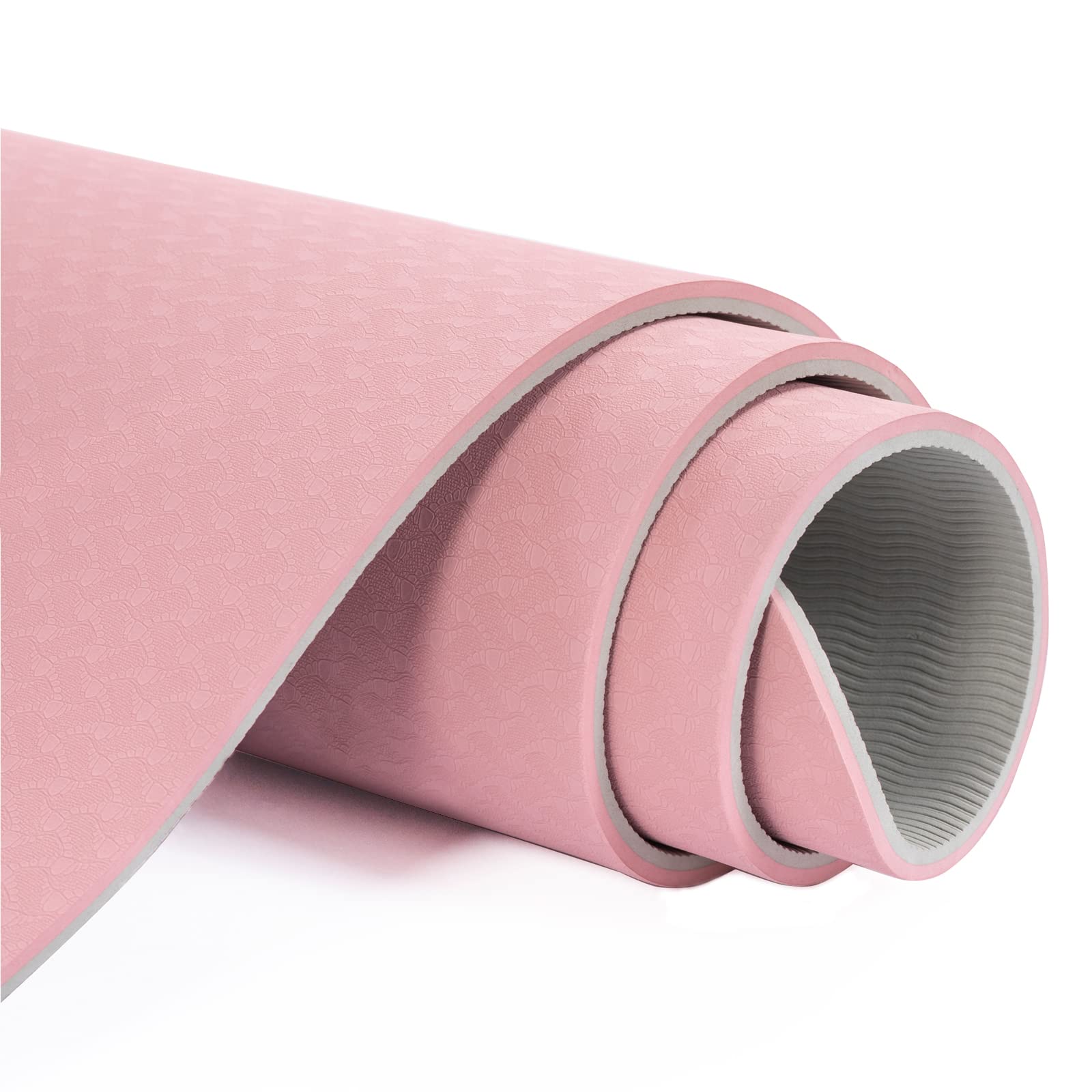
A quality yoga mat is far more than a simple piece of foam on the floor. Whether you practice yoga, pilates, stretching, or high-intensity training, the yoga mat you choose directly shapes how comfortable, safe, and effective each session feels. For fitness enthusiasts and gym operators alike, understanding what a yoga mat actually contributes to training outcomes is essential before making any purchase decision.
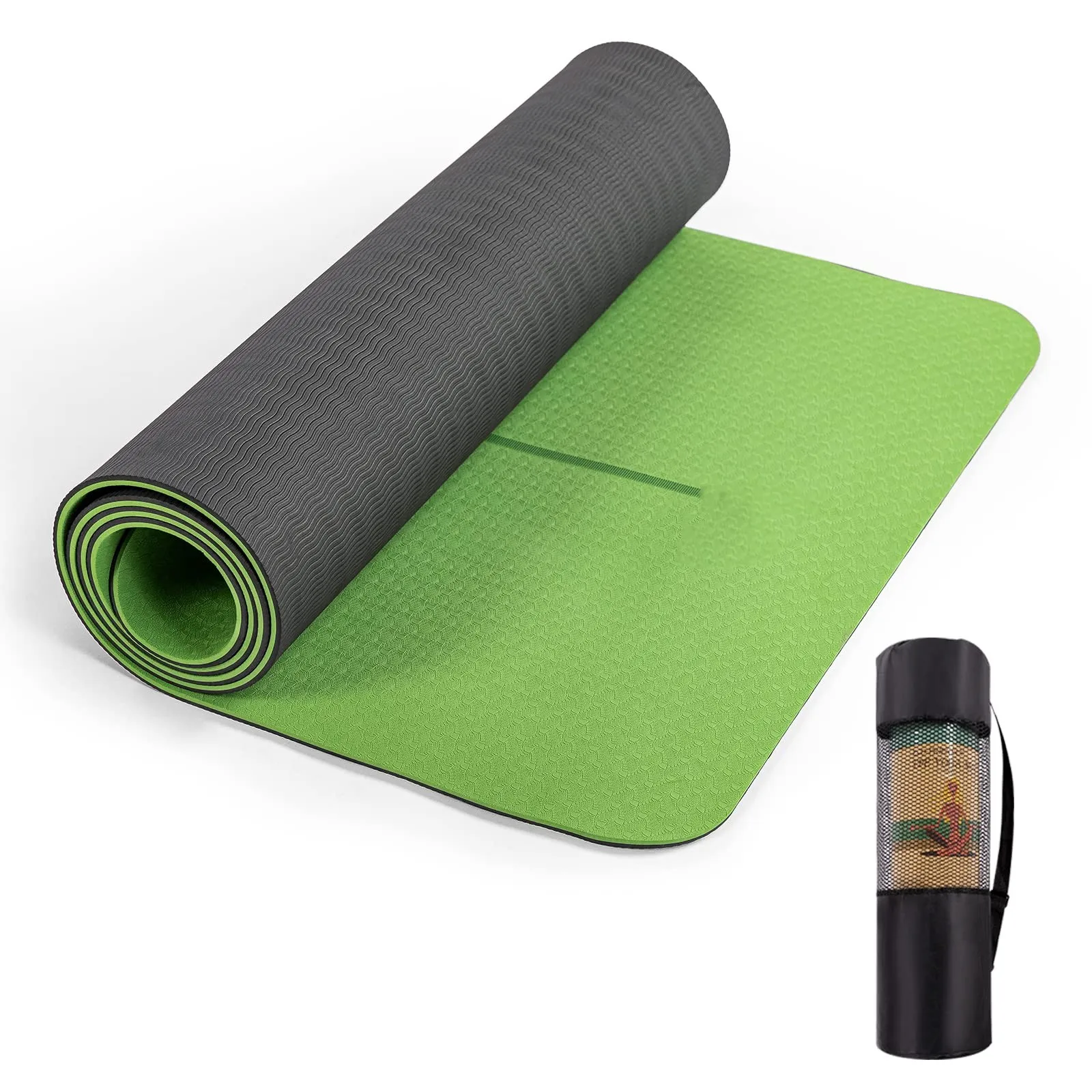
The modern yoga mat has evolved significantly from its earliest foam predecessors. Today, a well-engineered yoga mat incorporates material science, ergonomic design, and surface engineering to serve a broad range of workout types. From home gym setups to commercial fitness studios, the yoga mat plays a functional role that affects every aspect of physical training — not just flexibility exercises. Understanding those functional contributions is the focus of this article.
The Role of a Yoga Mat in Physical Support and Safety
Joint Cushioning During High-Impact Movements
One of the most significant ways a yoga mat enhances your workout is by absorbing impact. During exercises such as lunges, planks, and floor-based core work, the yoga mat creates a cushioned layer between your body and the hard floor. This yoga mat cushioning reduces pressure on your knees, wrists, hips, and spine, which is especially important during prolonged sessions. Without a proper yoga mat, repeated contact with hard surfaces accumulates strain over time and increases injury risk. A yoga mat with adequate thickness — typically between four and six millimeters — offers the ideal balance between stability and shock absorption. Thicker yoga mat options, such as six-millimeter TPE models, are particularly valued in home gym environments where flooring is often tile or hardwood.
Non-Slip Surface Grip and Positional Stability
Grip performance is one of the defining qualities of any yoga mat. A yoga mat with a high-traction surface prevents your hands and feet from sliding during dynamic movements, helping you maintain correct alignment throughout every exercise. Positional accuracy is critical in yoga and pilates, where even a slight deviation from the intended pose can reduce effectiveness or cause strain. A non-slip yoga mat surface ensures that each stance, transition, and hold remains secure. TPE-based yoga mat products are particularly recognized for delivering consistent grip without requiring additional towels or mats layered on top. This grip reliability directly translates to a more confident, focused workout experience.
How a Yoga Mat Affects Performance and Training Quality
Defined Training Space and Mental Focus
A yoga mat creates a clearly defined personal training zone. This boundary has a practical psychological function — it signals to the mind that structured exercise is beginning. Practitioners who use a dedicated yoga mat consistently report stronger mental focus during sessions compared to training on open floor surfaces. The yoga mat acts as a cue that helps transition the mind from daily activities into a workout state. In a group fitness setting, each participant's yoga mat also defines personal space, improving coordination and reducing distraction during class. This mental clarity benefit, while often overlooked, meaningfully contributes to training quality over the long term.
Movement Efficiency and Body Mechanics
The surface texture and density of a yoga mat influence how efficiently your body moves during exercise. A yoga mat with the right firmness allows for stable footwork during balance-intensive poses and controlled transitions between movements. If a yoga mat is too soft, energy is absorbed into the material rather than transferred through your movements, making exercises feel sluggish and imprecise. Conversely, a yoga mat that is too thin offers insufficient support and causes discomfort that disrupts flow. The correct yoga mat density supports biomechanically sound movement patterns, allowing muscles to engage as intended. This results in better workout outcomes over each session and reduced compensatory movement habits that often lead to injury.
Material Quality and Its Influence on the Workout Experience
Eco-Friendly TPE and Its Practical Fitness Benefits
Material choice is one of the most important factors distinguishing a functional yoga mat from a basic one. TPE, or thermoplastic elastomer, has become a leading material in professional-grade yoga mat manufacturing. A TPE yoga mat offers a closed-cell surface structure that resists moisture absorption, making it highly hygienic for sweat-intensive workouts. The closed-cell design means that a TPE yoga mat does not harbor bacteria or odors the way open-cell foam materials do. This is a meaningful benefit for both individual users and commercial fitness facilities where mats are used frequently. An eco-friendly TPE yoga mat is also free from PVC, latex, and heavy metals, making it safer for prolonged skin contact and better for the environment.
Durability and Long-Term Workout Consistency
The durability of a yoga mat directly affects the consistency of your workout experience over time. A yoga mat that degrades quickly — losing its grip, developing surface tears, or compressing unevenly — introduces variability into your training environment. Each time you adjust for a worn yoga mat, you are diverting attention from your actual workout. A high-quality yoga mat maintains its structural integrity across hundreds of sessions, delivering a reliable and predictable training surface every time. ISO-certified yoga mat products are manufactured to standardized quality benchmarks, offering buyers greater confidence in consistent performance. Investing in a durable yoga mat is, ultimately, an investment in training consistency and long-term physical progress.
FAQ
What thickness of yoga mat is best for home gym workouts?
For home gym use, a yoga mat with a thickness of six millimeters is widely recommended. This thickness provides enough cushioning for joint protection on hard floors while remaining firm enough to support standing balance exercises. A six-millimeter yoga mat is versatile enough to suit yoga, pilates, core training, and general floor-based fitness routines.
How do I know if a yoga mat offers good grip performance?
A yoga mat with reliable grip will keep your hands and feet stable without slipping, even when light perspiration is present. TPE yoga mat surfaces are designed with texture patterns that maintain traction under moderate moisture. When evaluating a yoga mat, test it by pressing your palm firmly on the surface and applying lateral pressure — a quality yoga mat should resist any sliding movement.
Is a TPE yoga mat suitable for all fitness levels and workout types?
Yes, a TPE yoga mat is suitable for beginners through to advanced practitioners across a wide range of workout types. Its balanced cushioning, non-slip surface, and hygienic closed-cell structure make the TPE yoga mat adaptable for yoga, stretching, bodyweight training, and light aerobic exercise. For most users training at home or in a studio setting, a TPE yoga mat provides the right combination of support and performance.