 EN
EN


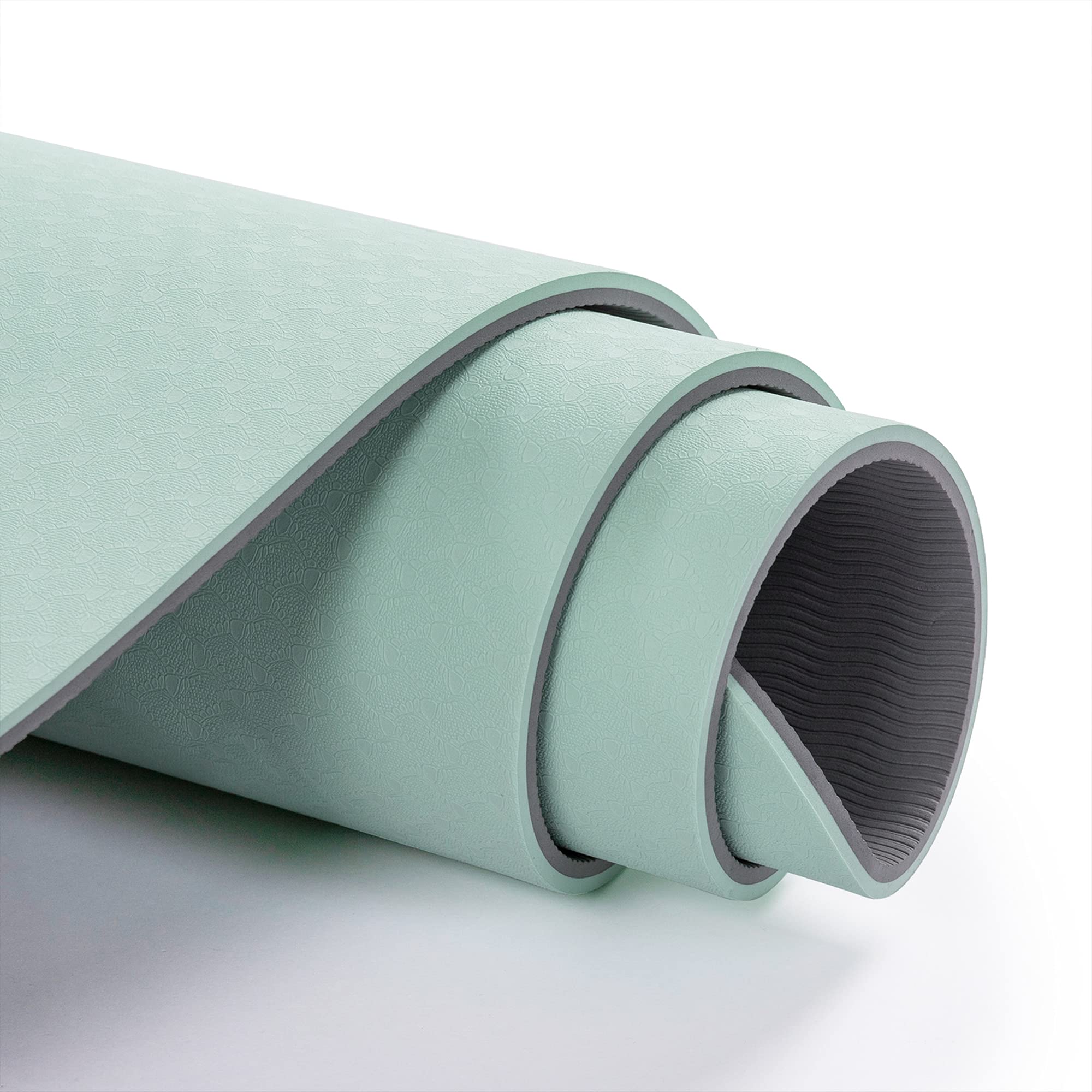
A yoga mat is far more than a simple accessory. For anyone committed to building a lasting fitness routine, the yoga mat becomes a daily foundation — a dedicated surface where consistency, comfort, and body awareness all come together. Whether you practise yoga, pilates, stretching, or bodyweight training, the right yoga mat directly shapes the quality of each session and, over time, how effectively you reach your wellness goals.
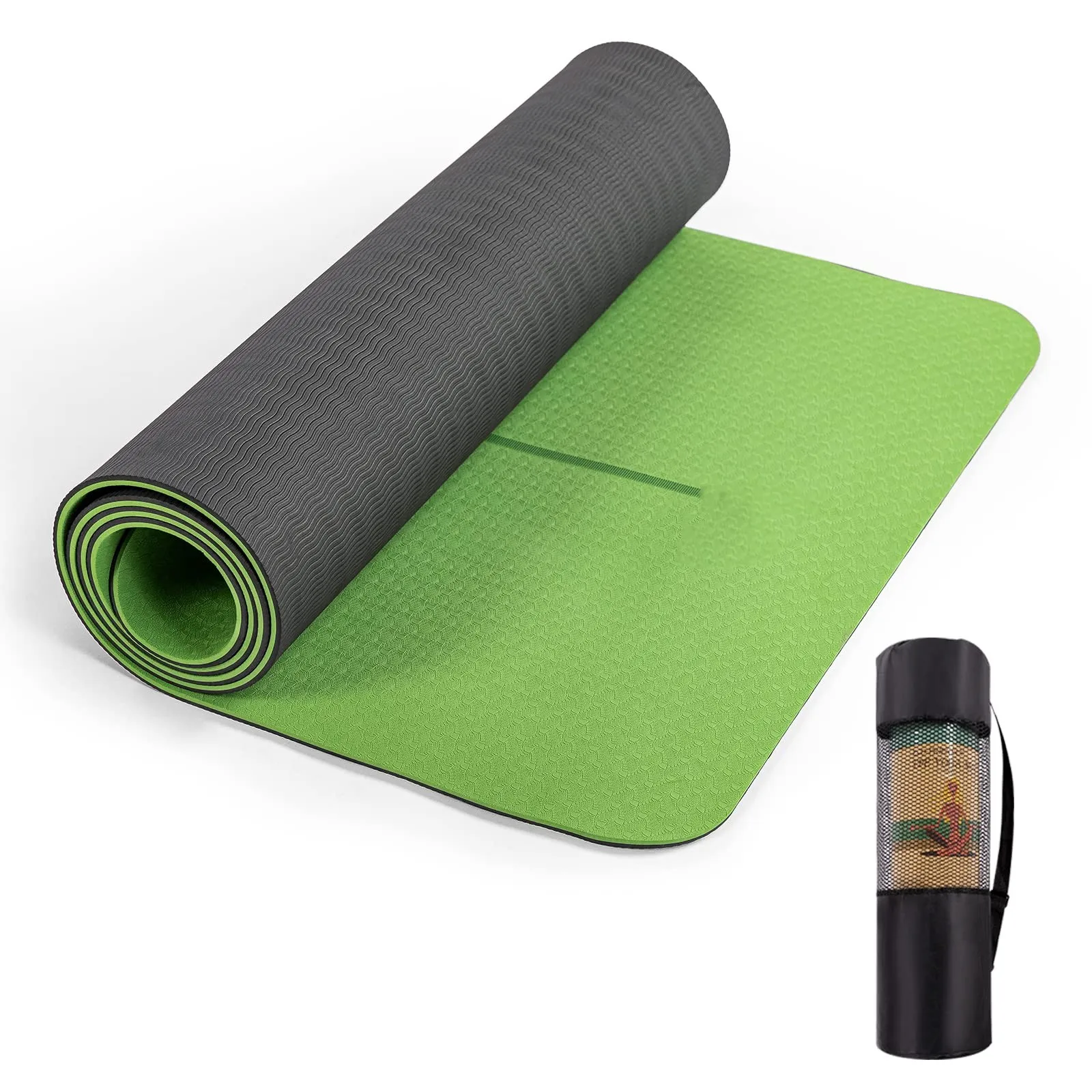
Understanding how a yoga mat supports long-term fitness and wellness requires looking beyond surface-level features. The material, thickness, grip quality, and durability of your yoga mat all influence your practice in ways that accumulate across weeks, months, and years. Choosing the right yoga mat is therefore one of the most impactful fitness decisions you can make early in your wellness journey.
The Role of a Yoga Mat in Building Consistent Practice
Creating a Dedicated Movement Space
One of the strongest psychological benefits of owning a yoga mat is that it signals the start of intentional movement. When you unroll your yoga mat, you are establishing a personal space set apart from daily distractions. This ritual trains the mind to enter a focused state, making it easier to show up for practice regularly. Over time, this consistency is what transforms fitness goals from intentions into measurable outcomes.
A yoga mat also defines a safe boundary for movement. Knowing the dimensions of your yoga mat allows you to move with greater confidence, preventing hesitation during balance poses or dynamic transitions. This spatial awareness reduces minor hesitations that might otherwise interrupt flow and focus during a session.
Supporting Daily Commitment Across All Fitness Levels
Whether you are a beginner working on foundational flexibility or an experienced practitioner maintaining peak conditioning, a yoga mat adapts to your needs at every stage. Beginners benefit from the cushioning and grip a quality yoga mat provides, which reduces the fear of slipping or discomfort that can discourage early practice. Advanced users rely on a responsive yoga mat surface to maintain precision in demanding postures. In both cases, the yoga mat acts as a reliable partner that grows with the practitioner.
How Yoga Mat Features Directly Impact Wellness Outcomes
Cushioning, Joint Protection, and Recovery
A well-designed yoga mat provides adequate cushioning to absorb impact and reduce pressure on the joints. This is especially important during floor exercises, lunges, and kneeling postures where bone-on-hard-surface contact would quickly cause discomfort or injury. A yoga mat with appropriate thickness — typically between 4mm and 6mm — distributes body weight evenly, which is critical for protecting knees, wrists, hips, and the spine over the long term. Without proper cushioning, joint stress accumulates and eventually leads to pain that disrupts training continuity.
Recovery sessions also benefit greatly from a yoga mat. Gentle stretching and restorative yoga after intense training days become more effective and comfortable when performed on a supportive yoga mat surface. This encourages practitioners to include recovery work in their schedules rather than skipping it, which is a key factor in sustainable fitness progress.
Non-Slip Grip and Body Alignment Accuracy
Grip performance is one of the most technically important features of any yoga mat. A non-slip yoga mat surface ensures that hands, feet, and the body remain in correct alignment throughout each movement. When a yoga mat slips, alignment breaks down, compensatory patterns develop, and the risk of strain or injury increases significantly. Over a long-term practice, even small alignment errors repeated daily can lead to chronic discomfort. A high-quality yoga mat with reliable grip prevents these patterns from forming in the first place.
Eco-friendly materials such as TPE (thermoplastic elastomer) deliver excellent non-slip performance while also being durable and easy to clean. A TPE yoga mat maintains its surface texture even after prolonged use, ensuring that grip quality remains consistent across hundreds of sessions. This longevity is directly relevant to long-term fitness goals because it means the yoga mat continues to support safe movement without degradation.
The Yoga Mat as a Wellness Tool Beyond Physical Training
Mindfulness, Stress Reduction, and Mental Wellness
Long-term wellness is never purely physical. Mental health, stress management, and mindfulness are equally important pillars of a sustainable fitness lifestyle. The yoga mat plays a meaningful role here as well. Practising breathing exercises, meditation, and mindfulness work on a yoga mat creates a sensory association between the mat and a calm, present mental state. Over months of regular use, simply stepping onto the yoga mat can begin to trigger a shift in mental focus, making it easier to transition from stress to stillness.
This mind-body connection supported by the yoga mat is particularly valuable for practitioners who use their fitness routine as a tool for managing workplace stress, anxiety, or fatigue. The yoga mat becomes a consistent anchor point in an otherwise variable day, reinforcing the habit of pausing, breathing, and reconnecting with the body.
Portability and Home Gym Flexibility
A yoga mat designed for home gym use gives practitioners the freedom to exercise without being dependent on gym schedules or external environments. This flexibility is a powerful enabler of long-term consistency. When a yoga mat is lightweight, easy to roll up, and simple to store, there are fewer barriers to practice. Removing friction from the fitness routine makes it far more likely that daily or weekly practice will be maintained over months and years rather than abandoned after an initial burst of motivation.
For home gym users, the yoga mat often serves multiple functions — supporting yoga, pilates, core training, and post-workout stretching all on a single surface. This versatility increases the return on investment from a single yoga mat and makes it an indispensable part of any well-rounded home fitness setup.
FAQ
How thick should a yoga mat be for long-term joint protection?
For long-term joint protection, a yoga mat between 4mm and 6mm thick is generally recommended. A 6mm yoga mat offers extra cushioning for sensitive knees and wrists, making it ideal for floor-based exercises and restorative practice. Practitioners who prioritise balance work may prefer a slightly thinner yoga mat for better ground feel.
What material is best for a durable, long-lasting yoga mat?
TPE is widely regarded as one of the best materials for a durable yoga mat. A TPE yoga mat is lightweight, eco-friendly, non-toxic, and resistant to wear over time. It maintains grip and surface texture through consistent use, making it an excellent choice for practitioners focused on long-term fitness and wellness goals.
Can a yoga mat be used for fitness training beyond yoga?
Yes, a yoga mat is highly versatile and well-suited for pilates, bodyweight strength training, stretching routines, and meditation. The cushioning and non-slip surface of a yoga mat make it a practical foundation for nearly any floor-based fitness activity, supporting a broad range of long-term wellness goals beyond traditional yoga practice.