 EN
EN


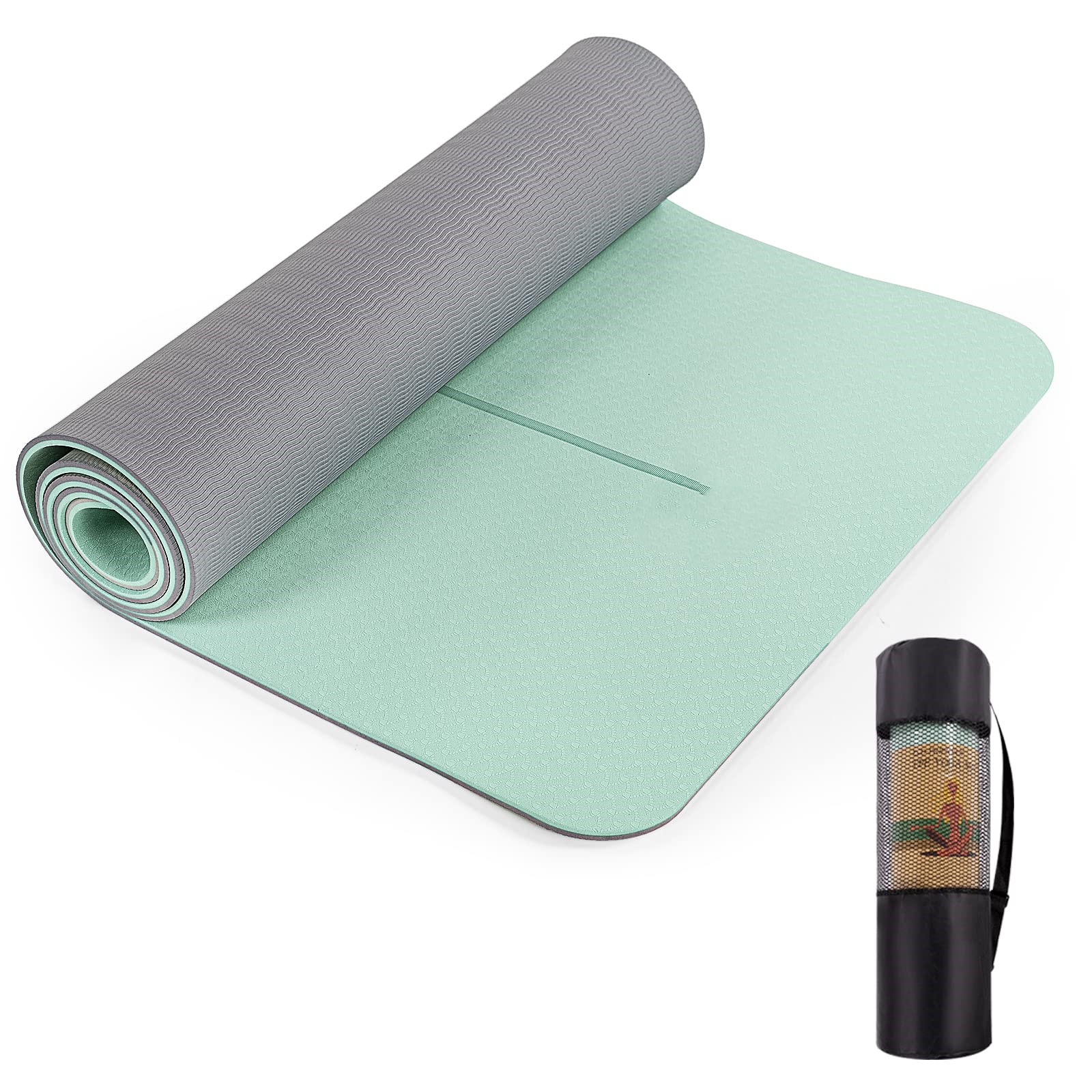
When people think about meditation and mindfulness, they often picture a quiet room, soft lighting, and perhaps a cushion on the floor. Yet one of the most practical and accessible tools for grounding your practice is a yoga mat. Whether you are a seasoned meditator or just beginning to explore stillness, the surface you sit on matters more than most people realize. A yoga mat offers a defined, comfortable, and non-slip space that quietly supports every mindful session you commit to.
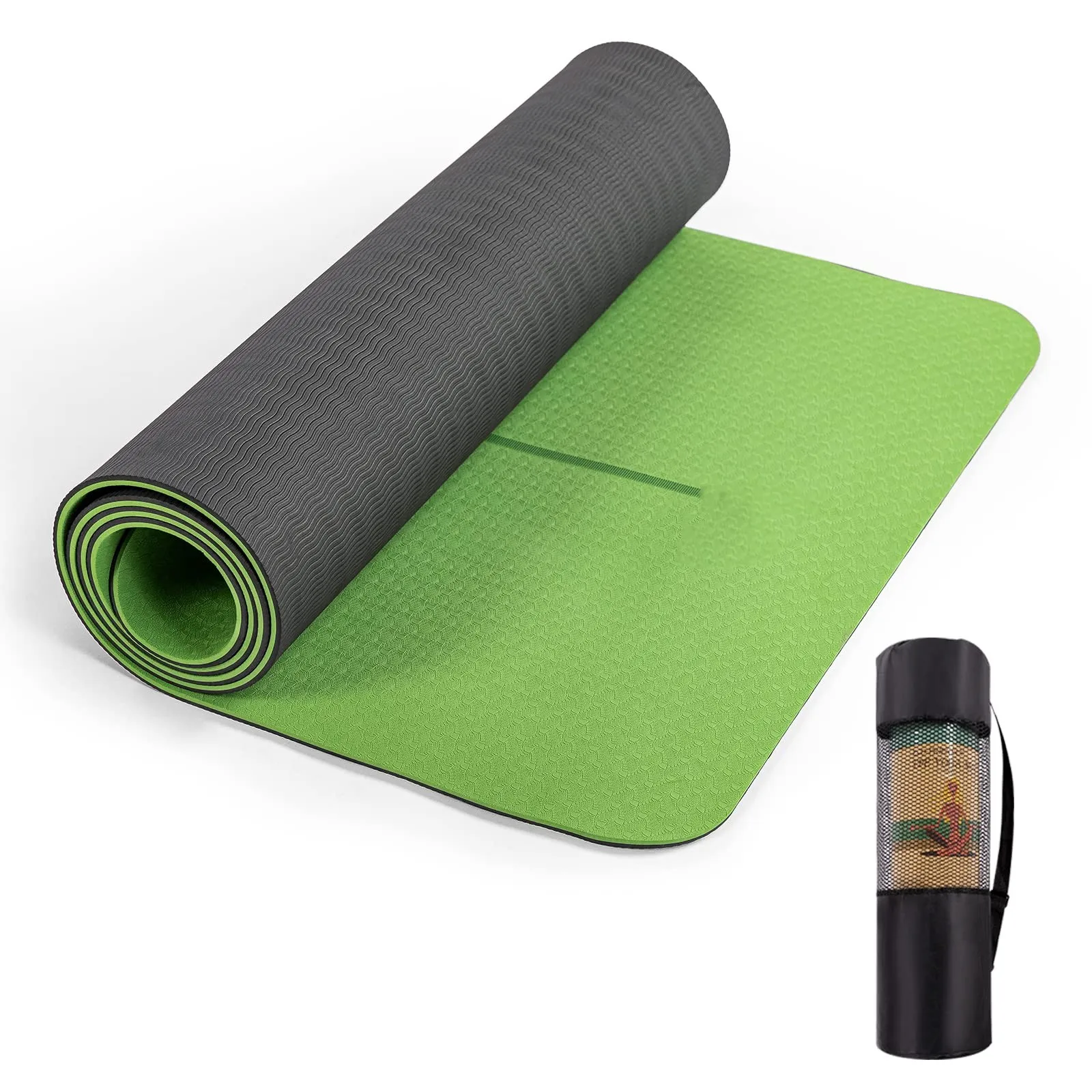
The short answer is yes — a yoga mat is genuinely effective for meditation and mindfulness practices. However, its effectiveness depends on how you use it, what material it is made from, and how well it suits your specific needs. This article breaks down exactly why a yoga mat works so well for meditation, what features to look for, and how to integrate it into a consistent mindfulness routine.
Why Physical Comfort Matters in Meditation
The Role of the Body in Mindfulness
Many beginners assume that meditation is purely a mental exercise, but the body plays a central role. Discomfort — from a hard floor, cold surface, or slipping position — can interrupt focus and pull the mind away from the present moment. A quality yoga mat addresses these interruptions directly by providing cushioning, warmth, and grip. When your body feels settled, your mind finds it far easier to follow.
A yoga mat creates a distinct boundary between you and the floor. This boundary is not merely physical. Over time, stepping onto your yoga mat signals to the brain that a mindful session is beginning. This kind of environmental cue is well recognized in behavioral psychology as a way to anchor habits and routines. The yoga mat becomes a trigger for intentional calm.
Cushioning and Joint Support During Seated Practice
Long meditation sessions in seated postures like cross-legged or kneeling positions can place significant pressure on the knees, ankles, and tailbone. A yoga mat with adequate thickness — typically 6mm or more — distributes that pressure more evenly across the body. This allows practitioners to sit for longer periods without needing to shift position repeatedly. Consistent stillness in the body directly supports consistent stillness in the mind.
Eco-friendly materials such as TPE (thermoplastic elastomer) are particularly well suited for meditation because they provide a firm yet slightly cushioned feel. A yoga mat made from TPE also resists odor and moisture, keeping your practice space fresh and inviting over time.
Key Features That Make a Yoga Mat Work for Meditation
Non-Slip Surface for Stability
One of the most overlooked aspects of a yoga mat in meditation is traction. A non-slip yoga mat ensures that your seated position remains stable throughout the session. Even subtle shifts caused by a slippery surface can disturb your posture and your breathing pattern. A textured, grippy yoga mat keeps you grounded — quite literally — so your awareness can stay inward rather than outward.
This stability is especially important during breathing exercises like pranayama, where the body expands and contracts with each breath cycle. A yoga mat that holds its position on hardwood, tile, or carpet surfaces allows you to fully surrender to the breath without bracing yourself against unexpected movement. The yoga mat becomes invisible in the best possible way — present but not distracting.
Material and Sensory Quality
The texture and material of a yoga mat contribute to the sensory experience of meditation. A yoga mat that feels pleasant underhand and underfoot adds a tactile layer of comfort that supports relaxation. Rough or chemically scented materials can create subtle sensory irritation that interferes with the meditative state. Choosing a yoga mat made from natural or eco-certified materials minimizes these distractions.
Color and visual simplicity also matter for some practitioners. A yoga mat in muted, earthy, or neutral tones can contribute to a visually calm environment. While this is a personal preference, the overall sensory environment that your yoga mat helps create plays a role in how deeply you are able to drop into mindfulness. A yoga mat is not just a physical prop — it is part of your practice environment.
Integrating a Yoga Mat Into a Daily Mindfulness Routine
Creating a Dedicated Practice Space
One of the most effective ways to build a consistent meditation habit is to designate a specific physical space for it. Unrolling your yoga mat in the same spot each day reinforces that this area is for intentional practice. Over time, the sight of the yoga mat becomes motivating in itself. It represents a commitment to self-awareness and mental clarity. The yoga mat holds the memory of every session you have completed on it.
Even in small living spaces, a yoga mat can define a temporary sanctuary. Roll it out near a window, add a candle or a cushion, and the yoga mat transforms an ordinary corner into a mindfulness zone. The portability of a yoga mat also means your practice is never tied to one location. Travelers and remote workers can maintain their mindfulness routines simply by rolling out their yoga mat wherever they are.
Combining Movement and Stillness on the Same Surface
Many mindfulness practitioners combine gentle movement — such as restorative yoga, qi gong, or body scan flows — with seated or lying meditation. A yoga mat supports all of these transitions seamlessly. You can move through a short sequence of stretches on your yoga mat to release physical tension before settling into stillness. This mind-body integration is one of the most powerful aspects of using a yoga mat for mindfulness.
The yoga mat also supports lying meditation, including yoga nidra and body scan techniques. A yoga mat with sufficient length and width ensures your entire body can rest fully supported during these deeply restorative practices. Investing in a well-sized yoga mat means you are investing in the full range of mindfulness modalities, not just seated practice.
FAQ
Can I use any yoga mat for meditation, or do I need a special one?
Most yoga mats can support basic meditation, but choosing a yoga mat with adequate thickness, a non-slip surface, and eco-friendly materials will significantly improve comfort and focus during longer sessions. A 6mm TPE yoga mat is an excellent choice for both meditation and light movement practice.
How thick should a yoga mat be for seated meditation?
For seated meditation, a yoga mat of at least 6mm thickness is recommended. This thickness provides enough cushioning for the knees and tailbone during extended sitting without making the yoga mat feel unstable or spongy underfoot during standing or movement segments.
Does the material of a yoga mat affect the quality of meditation?
Yes, the material of a yoga mat can influence the sensory experience of your practice. A yoga mat made from TPE or natural rubber is generally preferred for meditation because it is free from harsh chemical odors, provides a pleasant tactile surface, and supports a clean, calm environment for mindfulness.