 EN
EN


Building a consistent workout habit at home is one of the most common fitness challenges people face. A dedicated yoga mat plays a surprisingly significant role in solving that challenge. When you have a yoga mat ready in your space, it creates a physical and psychological cue that signals it is time to move, stretch, and focus. That simple cue can be the difference between skipping a session and completing one.
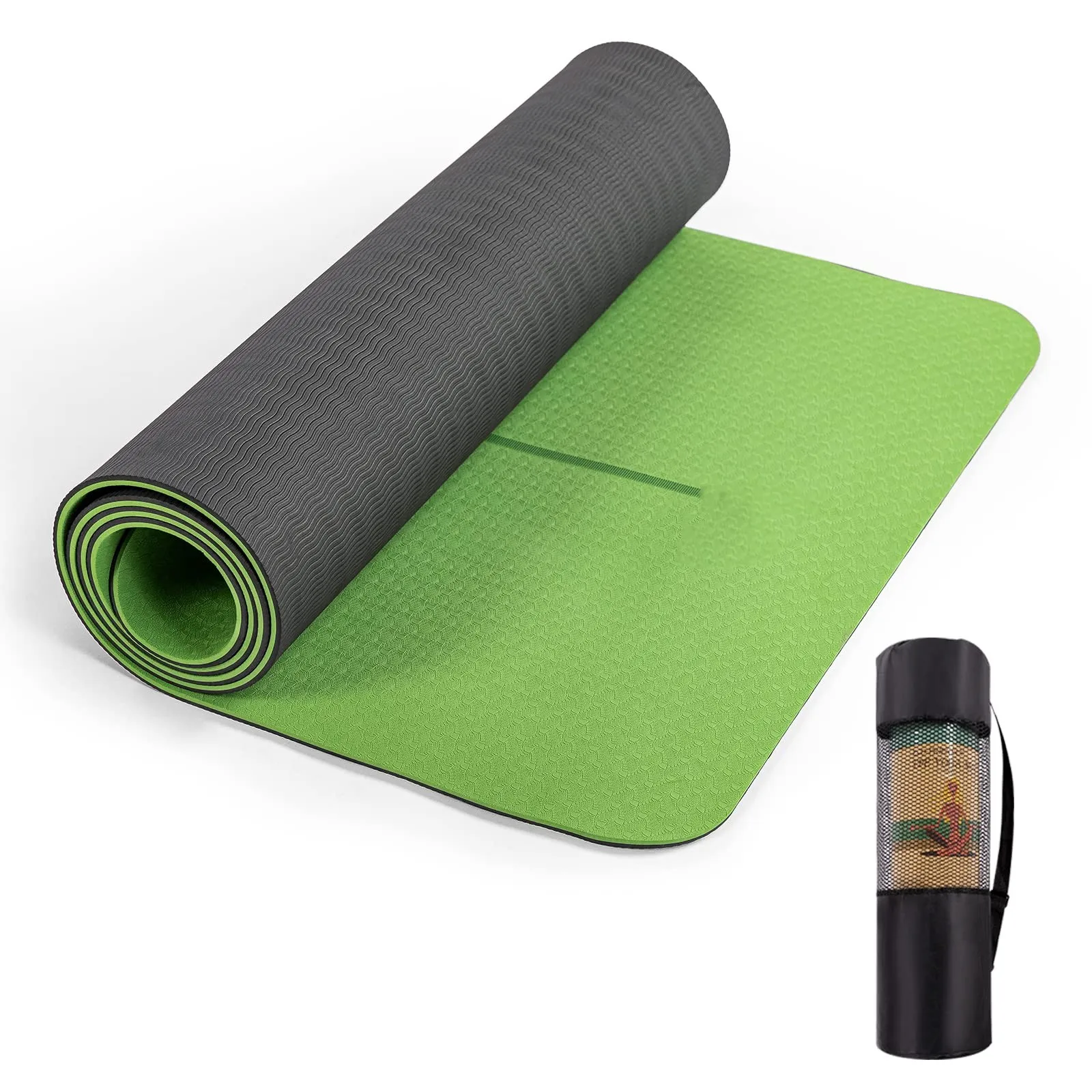
A quality yoga mat does more than cushion your joints. It defines your workout zone, protects your body during movement, and gives you a reliable surface for every session. Whether you practice yoga, pilates, bodyweight training, or general stretching, having a dedicated yoga mat at home anchors your routine and makes it far easier to stay on track day after day.
The Role of a Yoga Mat in Building Daily Habits
Creating a Dedicated Workout Space
One of the most powerful things a yoga mat does for your home fitness routine is establish a clear, dedicated space for exercise. When you roll out your yoga mat, your brain begins to associate that space with physical activity. This environmental trigger is a well-recognized element of habit formation. You do not need a full home gym to create that effect — a yoga mat is enough to define the boundary between rest and movement.
Without a yoga mat, the floor at home feels generic and uninviting for exercise. With one, even a small corner of a living room becomes a workout zone. That mental shift matters greatly when motivation is low. The yoga mat removes the friction of setting up, which is often the biggest barrier to starting a session.
Reducing Psychological Resistance to Exercise
Psychological resistance is a key reason people skip workouts. The moment you leave your yoga mat rolled out or stored visibly, it acts as a gentle reminder and an open invitation. Research in behavioral science consistently shows that reducing setup effort dramatically increases follow-through. Your yoga mat sitting on the floor says: 'your session is already half begun.' That subtle nudge is genuinely powerful for maintaining consistency at home.
Physical Benefits That Make Every Session More Effective
Joint Support and Body Protection
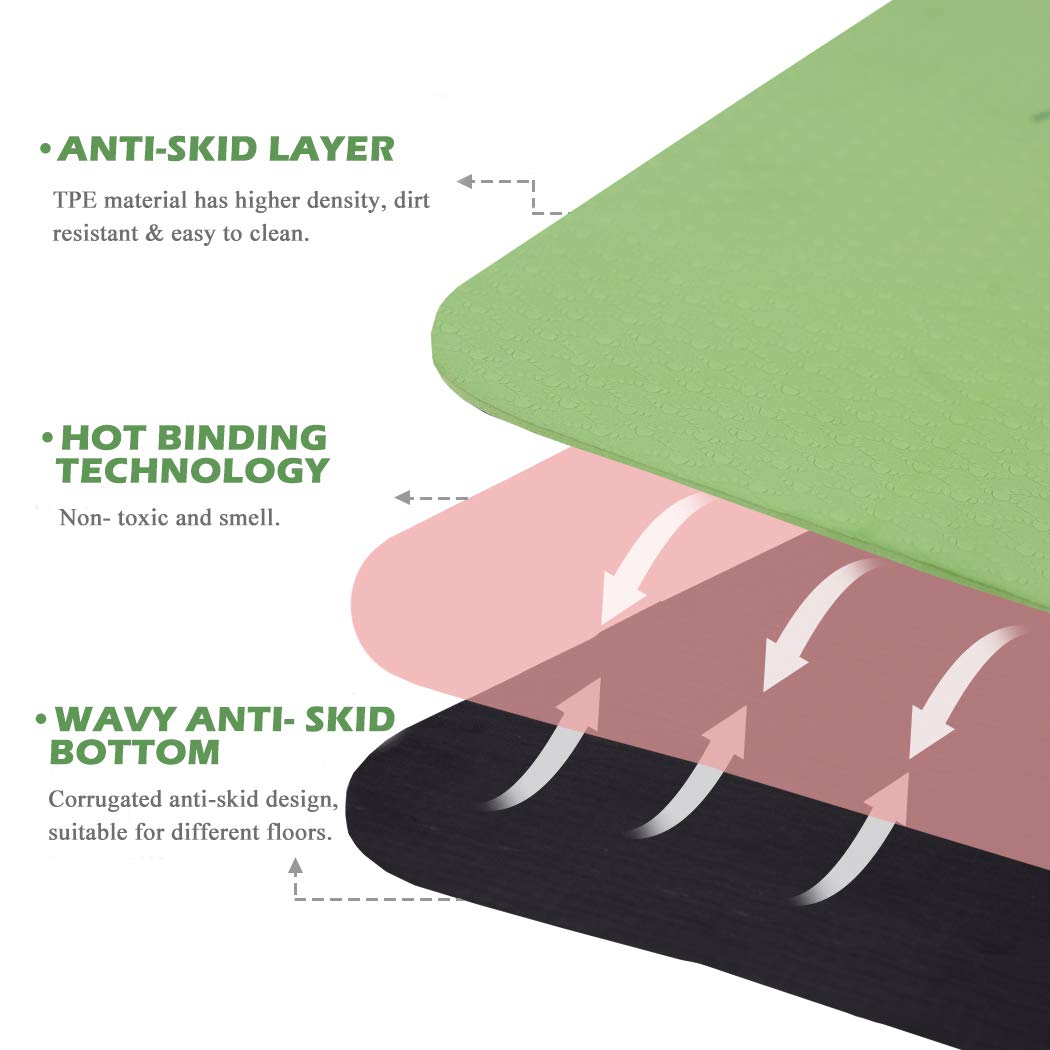
A yoga mat provides essential cushioning that protects your knees, wrists, spine, and hips during floor-based exercises. Without proper padding, workouts on hard surfaces become uncomfortable quickly, and discomfort is a fast route to abandoning your routine. A good yoga mat, especially one made from TPE material with adequate thickness, absorbs impact while still offering the firmness needed for balance-based movements.
When your body feels supported on a yoga mat, you are more likely to complete full sessions and less likely to cut workouts short due to pain or soreness. Long-term consistency relies heavily on keeping the physical experience of exercise positive. A yoga mat contributes directly to that by making every session more comfortable and sustainable.
Non-Slip Surface for Safer, More Confident Movement
A non-slip yoga mat gives you the grip and stability needed to hold poses, transition between exercises, and move with confidence. Slipping mid-session is not just a safety risk — it is also deeply discouraging and interrupts your flow. A high-quality yoga mat with textured or grippy surfaces ensures that your hands and feet stay planted exactly where you need them throughout your entire workout.
This stability is especially important for home workouts where you lack the supervision of a trainer or studio instructor. A reliable yoga mat lets you push your limits safely, which builds confidence and motivates you to return to your yoga mat session after session.
How a Yoga Mat Supports Long-Term Workout Consistency
Marking Progress and Creating Ritual
Your yoga mat becomes a personal fitness tool that tracks your journey over time. Every session you complete on your yoga mat adds to a sense of accumulating effort and progress. This ritualistic aspect of returning to the same yoga mat space builds an emotional connection to your practice. Rituals are among the most durable habit mechanisms humans use, and your yoga mat can serve as the anchor object for your daily fitness ritual.
Over weeks and months, stepping onto your yoga mat begins to feel automatic. The yoga mat stops being an object and becomes a behavior prompt. That transformation from conscious decision to automatic action is exactly what long-term workout consistency looks like. Your yoga mat is at the center of that shift.
Versatility That Keeps Home Workouts Fresh
A yoga mat is not limited to yoga alone. You can use your yoga mat for pilates, HIIT cool-downs, core workouts, foam rolling, meditation, and mobility work. This versatility means your yoga mat serves multiple purposes across different workout styles, keeping your home fitness routine varied and engaging. When your yoga mat supports many types of movement, you are less likely to plateau or lose interest.
The ability to switch between workout formats on the same yoga mat reduces the need for additional equipment, simplifying your home setup. A simple, high-quality yoga mat can be the only piece of fitness equipment many people need to maintain a well-rounded and consistent home routine.
FAQ
How thick should a yoga mat be for home workouts?
For general home workouts, a yoga mat with 6mm thickness offers a strong balance of cushioning and stability. Thicker yoga mat options above 6mm provide more joint support for restorative or low-impact sessions, while thinner yoga mat options around 3–4mm are preferred for balance-intensive yoga styles where floor feel matters more.
Is a TPE yoga mat better than a PVC yoga mat for home use?
A TPE yoga mat is widely considered a better choice for home use due to its eco-friendly material, lighter weight, and naturally non-slip surface. Unlike a PVC yoga mat, a TPE yoga mat does not release harmful odors and is easier to clean. For daily home workouts, a TPE yoga mat offers comfort, durability, and a safer material profile.
How often should I clean my yoga mat to keep it in good condition?
You should wipe down your yoga mat after every session using a mild cleaner or damp cloth to remove sweat and bacteria. A deeper yoga mat clean once a week helps maintain grip and hygiene over time. Proper care extends the life of your yoga mat significantly and ensures it remains a reliable, consistent part of your daily workout space.