 EN
EN


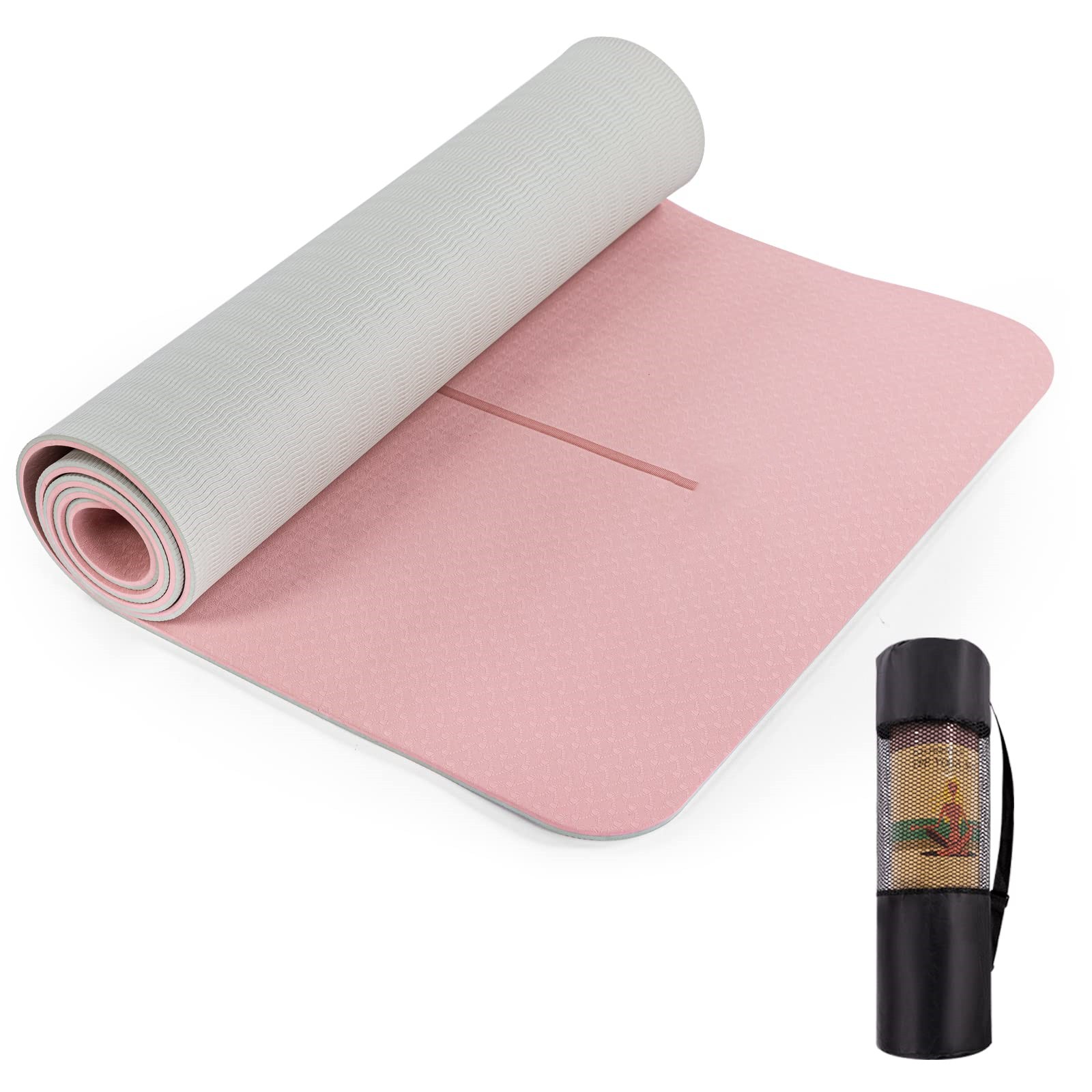
When you are working with limited floor space at home, every piece of fitness equipment must earn its place. A yoga mat is one of the most space-efficient tools available for home fitness. Unlike bulky equipment, a yoga mat stores flat against a wall, rolls up in seconds, and requires no permanent floor area. Whether your workout zone is a corner of a bedroom, a small living room, or a narrow studio apartment, a yoga mat adapts to your space rather than dominating it.
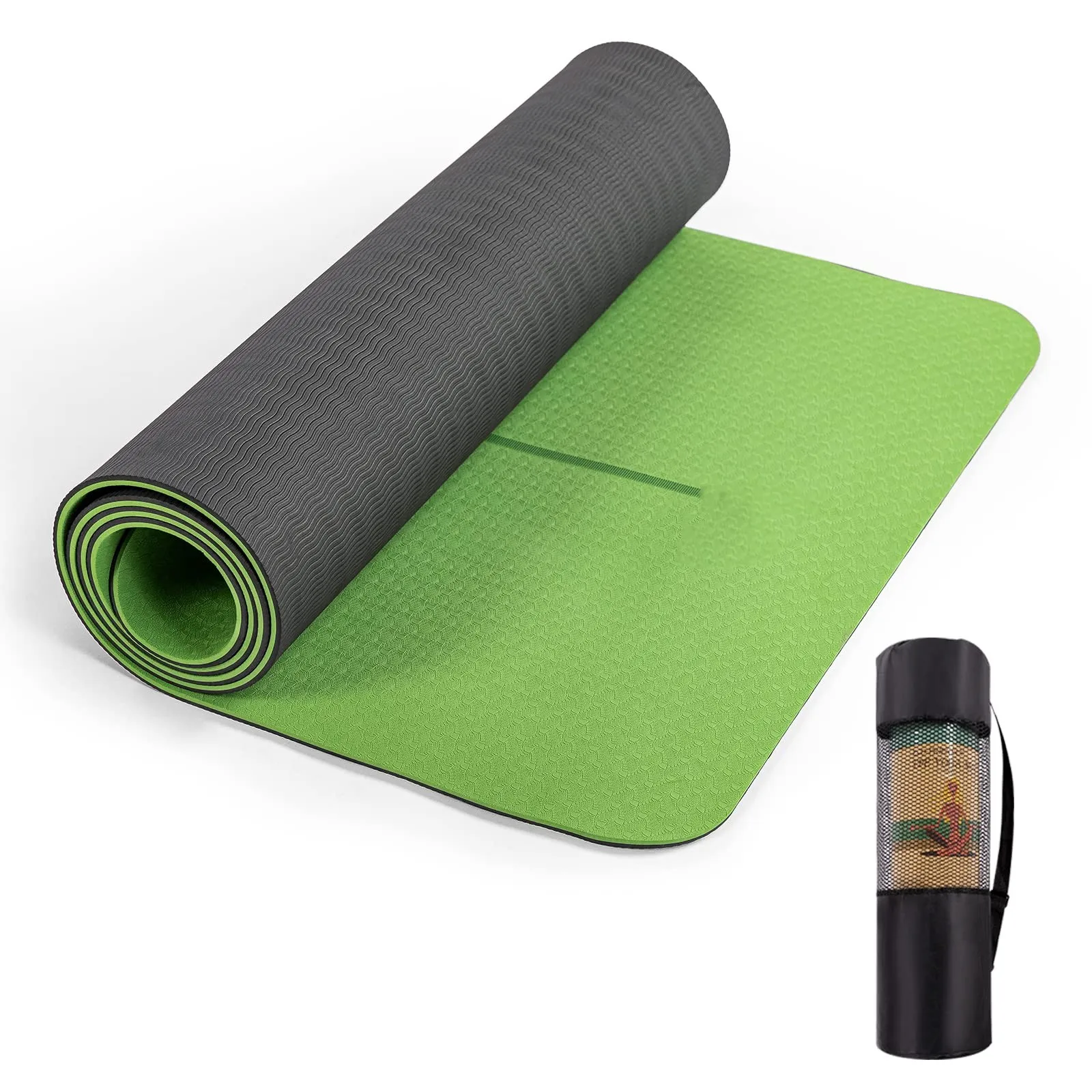
The short answer to whether a yoga mat suits compact home workout spaces is a clear yes. A yoga mat offers a defined, portable, and multi-purpose surface that works well within tight dimensions. It provides joint cushioning, non-slip grip, and a psychological boundary that helps you stay focused during exercise. This article explores exactly how a yoga mat functions in small spaces, what makes it the right choice, and what practical factors to consider when selecting one for your home.
How a Yoga Mat Fits Into Compact Spaces
Minimal Footprint, Maximum Function
A standard yoga mat measures roughly 60 cm wide and 173 cm long, which is a modest footprint compared to most gym equipment. In a compact home workout space, this size is genuinely practical. You can use your yoga mat for yoga flows, core work, stretching, bodyweight exercises, and low-impact cardio, all within a single defined rectangle. The yoga mat essentially becomes your personal training zone, keeping your movements contained and purposeful even in a small room.
When not in use, a yoga mat rolls up into a compact cylinder. You can store it upright in a corner, slide it under a bed, or hang it on a simple wall hook. This roll-up design means your workout space disappears when you need the room for other activities. No other fitness tool transitions this easily between active use and compact storage, making the yoga mat one of the smartest choices for small-space living.
Versatility Across Exercise Types
One concern people have about small home workouts is whether a single surface can support varied routines. A yoga mat addresses this well. The yoga mat provides enough cushion for floor-based exercises like planks, push-ups, and sit-ups, while also offering the grip and stability needed for standing balance poses. Because a yoga mat defines your movement boundary, it naturally encourages efficient, compact exercise patterns that work within limited square footage.
Why a Yoga Mat Is a Practical Choice for Home Fitness
Joint Protection and Floor Safety
Exercising directly on hard floors, tiles, or laminate surfaces creates unnecessary stress on your knees, wrists, and spine. A yoga mat acts as a buffer between your body and the floor, reducing impact and friction during exercise. For home workouts where you might transition quickly from standing movements to floor exercises, this cushioning layer makes a meaningful difference in comfort and injury prevention. A quality yoga mat with at least 6 mm of thickness offers substantial protection without compromising stability.
The non-slip surface of a yoga mat also improves safety in home environments where socks or bare feet on smooth floors can cause slipping. The grip provided by a yoga mat keeps you planted during lunges, warrior poses, or dynamic stretches. This is especially important in compact spaces where there is limited room to recover from an unbalanced step. A yoga mat adds a layer of control that bare floors simply cannot match.
Mental and Physical Boundaries in Small Spaces
One underappreciated benefit of using a yoga mat in a compact home workout space is the psychological boundary it creates. When you roll out your yoga mat, you are signaling to yourself that the workout has begun. This simple act helps mentally separate your fitness time from the rest of your home environment. For people who struggle to stay focused during home workouts, a yoga mat provides a visual and tactile anchor that improves consistency and motivation.
The yoga mat also encourages structured movement. Because your entire routine takes place on the yoga mat, you naturally develop exercises and routines scaled to that space. Over time, this teaches efficient body control and movement awareness, both of which are valuable fitness skills regardless of your goals. A yoga mat, in this sense, does more than protect your floor. It actively shapes how you train.
Selecting the Right Yoga Mat for a Small Home Space
Material, Thickness, and Grip
Not every yoga mat performs the same way in a home setting. When choosing a yoga mat for a compact space, material matters significantly. TPE yoga mats are lightweight, eco-friendly, and easy to clean, making them well suited for indoor home use. A yoga mat made from TPE also tends to be odor-neutral and resistant to moisture, which is important when rolling it up and storing it in a small room. Compared to PVC alternatives, a TPE yoga mat is safer for home environments and more sustainable overall.
Thickness is another critical factor. A yoga mat that is too thin may not protect joints adequately on hard home floors, while one that is too thick may compromise balance during standing poses. A 6 mm yoga mat strikes the right balance between cushioning and stability for most home fitness routines. The surface texture of a yoga mat also affects grip. Look for a yoga mat with a textured or embossed surface to prevent slipping during both dry and light-sweat conditions common in home workouts.
Size Considerations for Tight Spaces
Standard yoga mat dimensions suit most adults, but if your space is particularly narrow, you may benefit from knowing the rolled diameter of a yoga mat before purchasing. A thinner yoga mat rolls into a slimmer cylinder, making storage easier in very tight spaces. However, do not sacrifice too much thickness in pursuit of a smaller roll. The yoga mat must still cushion your body effectively to prevent injury. For most compact home workout spaces, a standard-width yoga mat in the 4 mm to 6 mm thickness range is the most practical solution.
FAQ
Can I use a yoga mat on carpet in a small home space?
Yes, you can use a yoga mat on carpet, though the experience differs from hard floors. A yoga mat placed on carpet may shift slightly during dynamic movements, so choose a yoga mat with a grippy underside to minimize movement. For standing and floor exercises, a yoga mat on carpet still provides a defined workout boundary and adds surface consistency.
How do I clean a yoga mat stored in a compact space?
Most TPE yoga mats can be wiped down with a damp cloth and mild soap after use. Allow your yoga mat to air dry completely before rolling it up for storage, especially in small rooms where ventilation may be limited. Regular cleaning prevents odor buildup, which is especially important when a yoga mat is stored in a compact, enclosed area.
Is a yoga mat alone enough for a complete home workout?
A yoga mat supports a wide range of effective bodyweight and flexibility routines without any additional equipment. For many fitness goals, a yoga mat alone is sufficient to build strength, flexibility, and endurance. If you want to progress further, small accessories like resistance bands or light weights can be used on a yoga mat without requiring any extra floor space.