 EN
EN


The modern fitness world is shifting toward sustainability, and the yoga mat has become one of the most visible symbols of that change. As more people commit to healthier bodies and a healthier planet, the yoga mat they choose reflects their values as much as their workout routine. Selecting the right yoga mat is no longer just about grip and thickness — it is about understanding what materials go into it, how it is made, and what happens to it after years of use. This connection between personal wellness and environmental responsibility is exactly why the yoga mat has taken centre stage in eco-friendly fitness conversations.
For fitness enthusiasts who practise yoga, Pilates, stretching, or home gym routines, the yoga mat is an everyday essential. Yet many conventional yoga mat options are made from PVC, a plastic that is difficult to recycle and produces harmful byproducts during manufacturing. The rise of eco-conscious alternatives — particularly TPE and natural rubber yoga mat products — has given consumers meaningful options that align with green living principles. Understanding how these products support an eco-friendly fitness lifestyle requires a closer look at materials, durability, and the broader culture of sustainable movement.
Sustainable Materials Behind the Modern Yoga Mat
TPE and Natural Rubber as Eco-Conscious Choices
The material composition of a yoga mat directly determines its environmental footprint. TPE, or thermoplastic elastomer, is one of the most popular eco-friendly yoga mat materials available today. A TPE yoga mat is free from PVC, heavy metals, and toxic plasticisers, making it safer to manufacture and easier to recycle at the end of its life. Unlike traditional foam yoga mat products that sit in landfills for decades, a TPE yoga mat can be broken down and repurposed through standard recycling processes. This makes it one of the most environmentally responsible choices for daily fitness use.
Natural rubber is another compelling material used in eco-friendly yoga mat production. Derived from rubber trees, this yoga mat material is renewable and biodegradable. A natural rubber yoga mat typically offers excellent grip, cushioning, and durability, which means it lasts longer and needs to be replaced less often. Fewer replacements mean less waste overall. When evaluating a yoga mat for sustainability, checking whether it carries certifications such as ISO or OEKO-TEX gives buyers confidence that the yoga mat meets established environmental and safety standards.
What to Avoid in a Yoga Mat for Eco Living
Not every yoga mat marketed as 'green' lives up to that label. Some yoga mat products still contain PVC or synthetic rubber blends that release volatile organic compounds during use. A truly eco-friendly yoga mat should be clearly labelled with its material composition and third-party certifications. Buyers should look for a yoga mat that is free from phthalates, BPA, and azo dyes. Transparent supply chains and responsible manufacturing processes are also markers of a yoga mat brand committed to genuine environmental values rather than greenwashing.
How a Quality Yoga Mat Supports Long-Term Eco Fitness Habits
Durability Reduces Waste Over Time
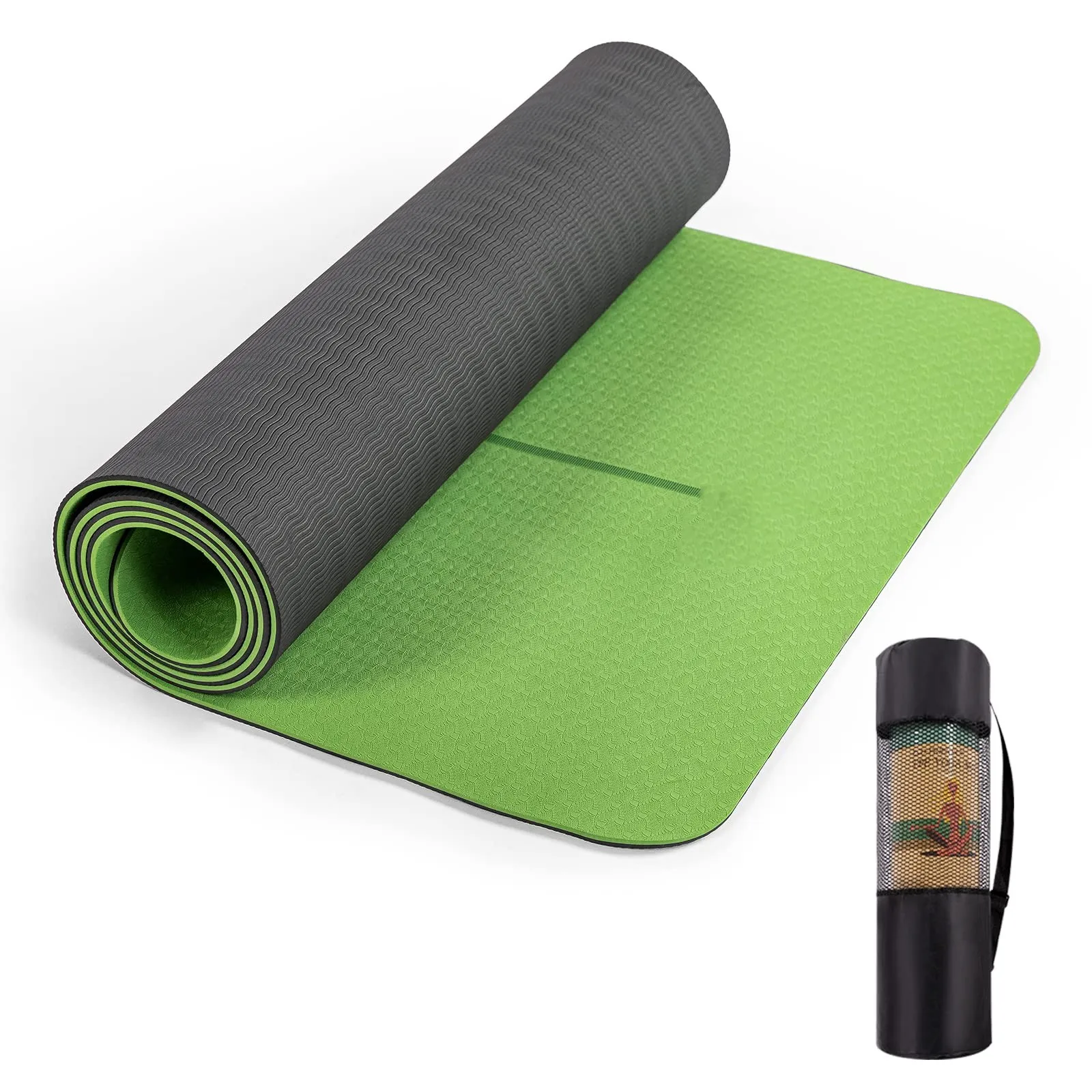
A high-quality yoga mat supports eco-friendly fitness not just through materials but through longevity. When a yoga mat holds its shape, grip, and cushioning over years of regular use, it eliminates the need for frequent replacements. This 'buy once, use well' philosophy is central to sustainable consumption. A 6mm thick yoga mat, for example, offers robust cushioning that protects joints during high-intensity sessions while maintaining structural integrity over time. The thicker profile of this yoga mat type also means it absorbs impact effectively, reducing wear and extending the usable life of the mat. Choosing a durable yoga mat is one of the simplest ways to reduce the environmental cost of a fitness routine.
Maintaining a yoga mat properly also extends its lifespan. Cleaning a yoga mat with natural, biodegradable cleaners rather than harsh chemical sprays preserves the material and keeps it free from residue. Rolling a yoga mat correctly after each session prevents cracking and deformation. These small habits compound over time, turning a single yoga mat purchase into years of sustainable use. Fitness communities that embrace these practices demonstrate that caring for your yoga mat is itself an act of environmental mindfulness.
Non-Slip Performance and Safety Encourage Consistent Practice
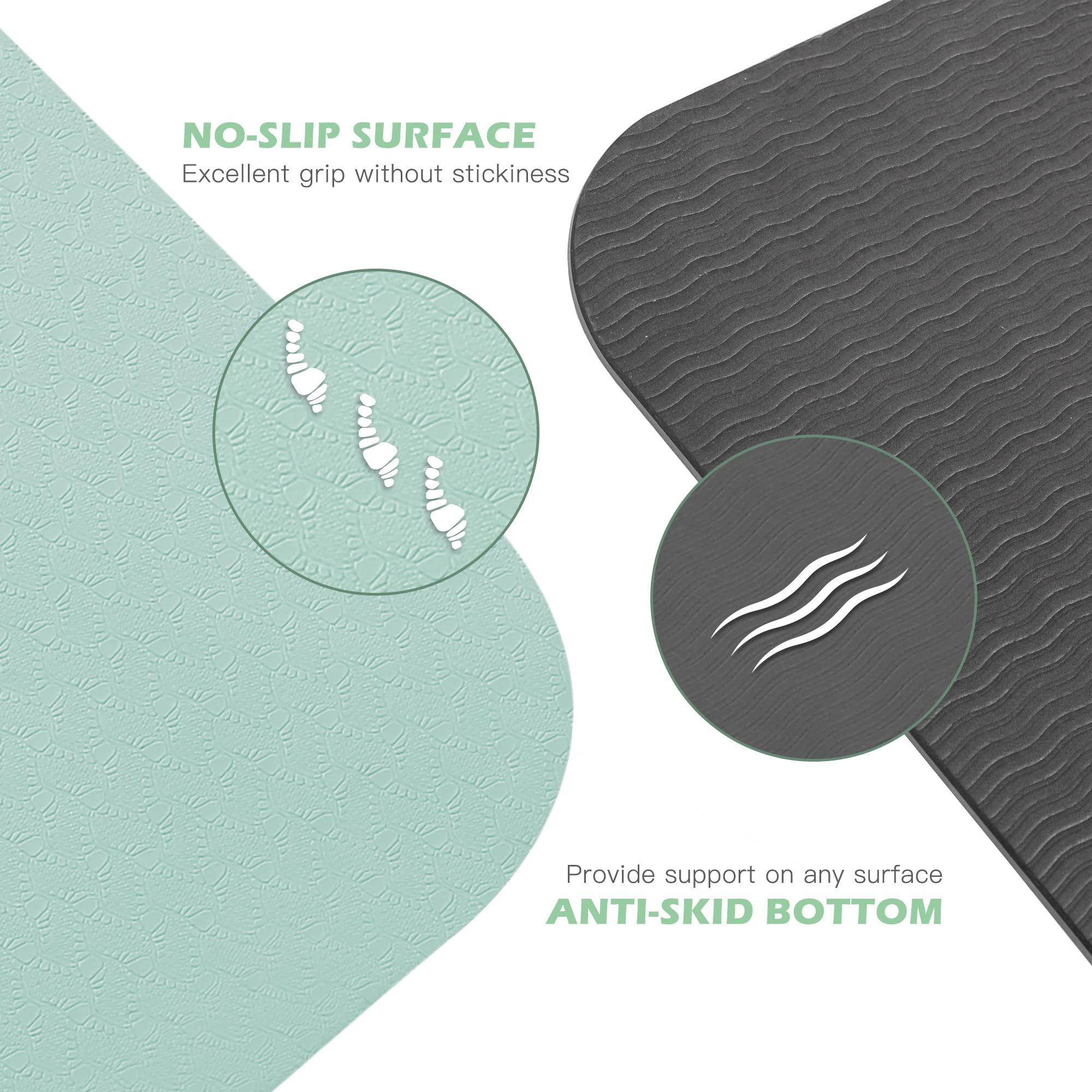
A non-slip yoga mat surface encourages consistent, confident practice. When a yoga mat provides reliable traction across poses and transitions, practitioners are more likely to exercise regularly at home rather than driving to a gym. Home-based fitness powered by a quality yoga mat reduces carbon emissions associated with commuting to fitness facilities. This indirect environmental benefit of the yoga mat is often overlooked but adds meaningfully to its eco-friendly credentials. A yoga mat that performs well removes barriers to home practice and supports a low-impact fitness lifestyle in more ways than one.
The Yoga Mat as Part of a Broader Eco-Friendly Fitness Ecosystem
Pairing Your Yoga Mat with Sustainable Fitness Choices
The yoga mat does not exist in isolation. It is part of a broader set of choices that define an eco-friendly fitness lifestyle. Pairing a sustainable yoga mat with reusable water bottles, organic cotton activewear, and energy-efficient home gym equipment creates a cohesive green fitness environment. The yoga mat serves as a foundational item — it is the surface on which nearly every home workout begins. When that yoga mat is made from responsible materials and built to last, it anchors the entire fitness setup in sustainability. This yoga mat approach reflects a growing consumer preference for products that deliver both performance and purpose.
Fitness communities and wellness brands are increasingly aware that a yoga mat is more than just exercise equipment. It is a statement about values. Sharing sustainable yoga mat choices within fitness communities, reviewing eco-friendly yoga mat products honestly, and educating new practitioners about material differences all contribute to a culture where the yoga mat becomes a catalyst for broader environmental awareness. When people understand why their yoga mat matters beyond the workout, they become more thoughtful consumers across every area of their lifestyle.
Certifications and Standards That Validate Eco Claims
When purchasing a yoga mat for eco-friendly fitness, certifications matter. An ISO-certified yoga mat has passed standardised testing for material safety, dimensional accuracy, and manufacturing consistency. These standards ensure that the yoga mat performs as advertised and that its environmental claims are grounded in verified processes. Consumers who prioritise certified yoga mat products help drive demand for responsible manufacturing across the wider fitness industry. Every yoga mat purchase is a vote for the kind of production standards that should be normalised in fitness equipment supply chains.
FAQ
What makes a yoga mat eco-friendly?
An eco-friendly yoga mat is typically made from materials such as TPE or natural rubber rather than PVC. It is free from harmful chemicals like phthalates and BPA, and it is often backed by third-party certifications that confirm its safety and environmental credentials. Durability is also a key factor — a yoga mat that lasts longer creates less waste over time.
Is a TPE yoga mat better for the environment than a PVC yoga mat?
Yes, a TPE yoga mat is generally considered more environmentally responsible than a PVC yoga mat. TPE is recyclable, free from toxic additives, and produces fewer harmful emissions during manufacturing. A PVC yoga mat is harder to recycle and can release chemicals during both production and disposal, making it a less sustainable option for eco-conscious fitness practitioners.
How thick should an eco-friendly yoga mat be for home gym use?
For home gym fitness use, a yoga mat with a thickness of around 6mm offers a good balance between cushioning and stability. A thicker yoga mat provides better joint protection during floor exercises and holds up well over extended use. When made from eco-friendly materials, a 6mm yoga mat combines performance, durability, and environmental responsibility in a single practical product.