 EN
EN


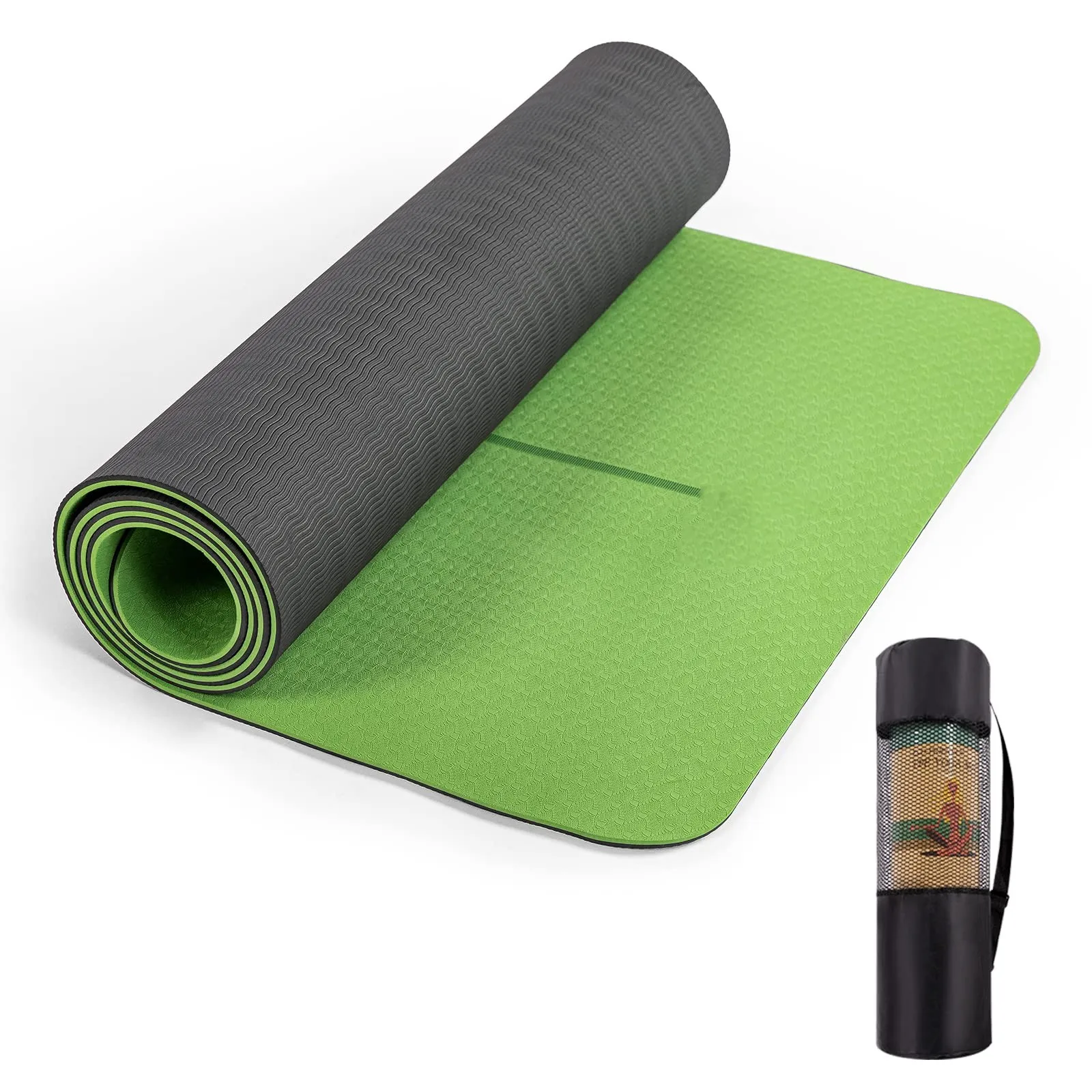
The yoga mat has quietly transformed from a niche fitness accessory into one of the most recognized products in the active lifestyle market. Consumers who prioritize physical health, mental wellness, and home-based fitness routines consistently list the yoga mat as a foundational item in their setup. Understanding why this product resonates so deeply with modern buyers reveals a great deal about shifting consumer values and lifestyle priorities.
The rise of the yoga mat as a lifestyle staple is not coincidental. It reflects a broader cultural shift toward self-care, mindful movement, and flexible fitness options that work outside of traditional gym settings. Whether a consumer practices yoga daily or simply uses a yoga mat for stretching and floor exercises, the product delivers consistent practical value that justifies its place in any active household.
The Wellness Culture Driving Yoga Mat Demand
A Shift Toward Mindful Movement
One of the strongest reasons the yoga mat has surged in popularity is the global growth of wellness culture. Millions of consumers now approach fitness not just as a physical goal but as a mental and emotional practice. The yoga mat serves as the centerpiece of this approach, offering a dedicated space for breathing exercises, stretching routines, meditation, and full yoga sessions. When people commit to a wellness lifestyle, purchasing a quality yoga mat is often the very first step.
This connection between the yoga mat and mindful movement is deeply embedded in how wellness content is created and shared. Influencers, instructors, and health platforms consistently feature the yoga mat in their content, reinforcing its identity as a symbol of intentional self-care. The yoga mat is no longer just a fitness tool — it represents a personal commitment to health.
Home Fitness Adoption
The widespread adoption of home fitness has played a major role in increasing yoga mat demand. As consumers sought convenient and affordable ways to stay active without gym memberships, the yoga mat became an obvious solution. It requires no additional equipment, fits into small spaces, and supports a wide range of workouts. For a consumer building a home gym on any budget, a yoga mat is typically the first purchase made.
The yoga mat also pairs naturally with digital fitness platforms and on-demand workout videos. Consumers who follow online yoga classes, Pilates tutorials, or guided stretching sessions depend on their yoga mat as the essential foundation for every session. This integration with digital fitness content has created a self-reinforcing cycle that keeps yoga mat products in constant demand.
Functional Advantages That Appeal to Active Consumers
Versatility Across Multiple Disciplines
A key reason active lifestyle consumers favor the yoga mat is its remarkable versatility. While the product is named for yoga, a well-designed yoga mat supports many different physical activities. Users rely on their yoga mat for Pilates, core training, balance exercises, light cardio, bodyweight strength workouts, and post-run recovery stretching. This multi-use functionality means that a consumer does not need to buy separate equipment for different routines — the yoga mat covers all of them.
This versatility makes the yoga mat exceptionally cost-efficient. Active consumers looking for practical value consistently choose products that serve multiple purposes, and the yoga mat delivers exactly that. When a single yoga mat can replace multiple accessories, its perceived value increases substantially in the eyes of the buyer.
Non-Slip Safety and Physical Comfort
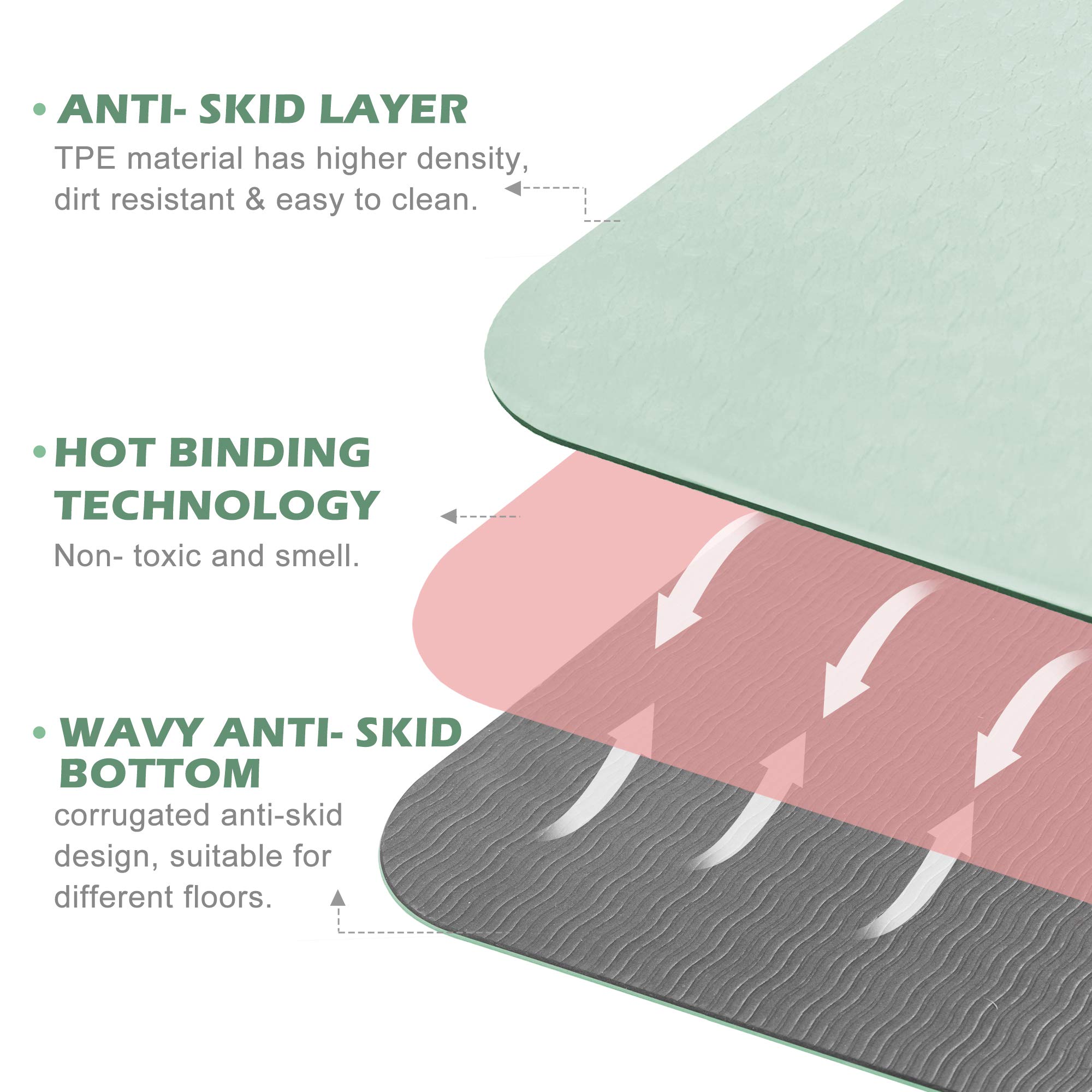
The physical design of the yoga mat directly addresses practical needs that active users care about deeply. A quality yoga mat provides cushioning that protects joints during floor exercises, non-slip surfaces that maintain stability during dynamic movements, and enough grip to prevent dangerous slipping during poses or transitions. These features are not cosmetic — they are functional requirements that make the yoga mat genuinely useful for everyday fitness.
Consumers who have experienced discomfort or injury from exercising on hard floors quickly recognize the importance of a yoga mat. The padding a yoga mat provides transforms an ordinary floor into a safe, supportive training surface. This protective quality alone is often enough to justify a yoga mat purchase for health-conscious individuals who take their physical longevity seriously.
Material Innovation and Eco-Conscious Consumer Values
Sustainable Materials Resonate With Modern Buyers
Material innovation has significantly elevated the appeal of the modern yoga mat. Consumers today are more environmentally aware than ever before, and they actively seek products that align with their values. Eco-friendly yoga mat options made from TPE, natural rubber, and other sustainable materials have responded directly to this demand. A yoga mat crafted from non-toxic, recyclable materials sends a clear signal to environmentally conscious buyers that the brand shares their values.
The shift toward sustainable yoga mat products has also improved overall product quality. Eco-friendly materials used in yoga mat manufacturing tend to offer superior grip, better durability, and improved comfort compared to lower-grade alternatives. Consumers who invest in a premium yoga mat often discover that sustainability and performance go hand in hand, reinforcing their loyalty to quality yoga mat products.
Durability and Long-Term Value
Modern yoga mat products are engineered to last through years of regular use. A high-quality yoga mat resists compression, maintains its grip over time, and remains easy to clean — all qualities that active consumers prioritize when making purchasing decisions. For a buyer who uses their yoga mat daily, durability directly translates to long-term value. Spending more on a premium yoga mat that lasts several years is far more economical than replacing a cheap yoga mat every few months.
This emphasis on durability also ties back to sustainability. A long-lasting yoga mat generates less waste, which appeals to eco-conscious buyers. When a yoga mat combines performance, longevity, and environmental responsibility, it becomes an easy choice for informed consumers who think carefully about every purchase they make.
FAQ
What makes a yoga mat suitable for beginners?
A beginner-friendly yoga mat typically offers adequate thickness for joint cushioning, a reliable non-slip surface for stability, and a manageable weight for easy transport. A standard yoga mat measuring around 6mm in thickness provides enough padding for comfort without sacrificing balance. Beginners benefit most from a yoga mat that feels stable and supportive during basic poses and floor-based exercises.
How often should a yoga mat be replaced?
The lifespan of a yoga mat depends on the frequency of use and the material quality. A premium yoga mat used daily in moderate practice can last two to five years with proper care. Signs that a yoga mat needs replacement include visible surface wear, loss of grip, thinning cushion areas, and persistent odor that does not respond to cleaning. Investing in a durable yoga mat from the start minimizes replacement frequency significantly.
Is a thicker yoga mat always better for fitness use?
Not necessarily. While a thicker yoga mat offers more cushioning, which is beneficial for joint-sensitive exercises and floor work, it may reduce stability during standing balance poses. A yoga mat around 4mm to 6mm thick is generally ideal for most fitness activities, balancing comfort and ground connection. Consumers should choose their yoga mat thickness based on the specific types of exercises they perform most frequently.