 EN
EN


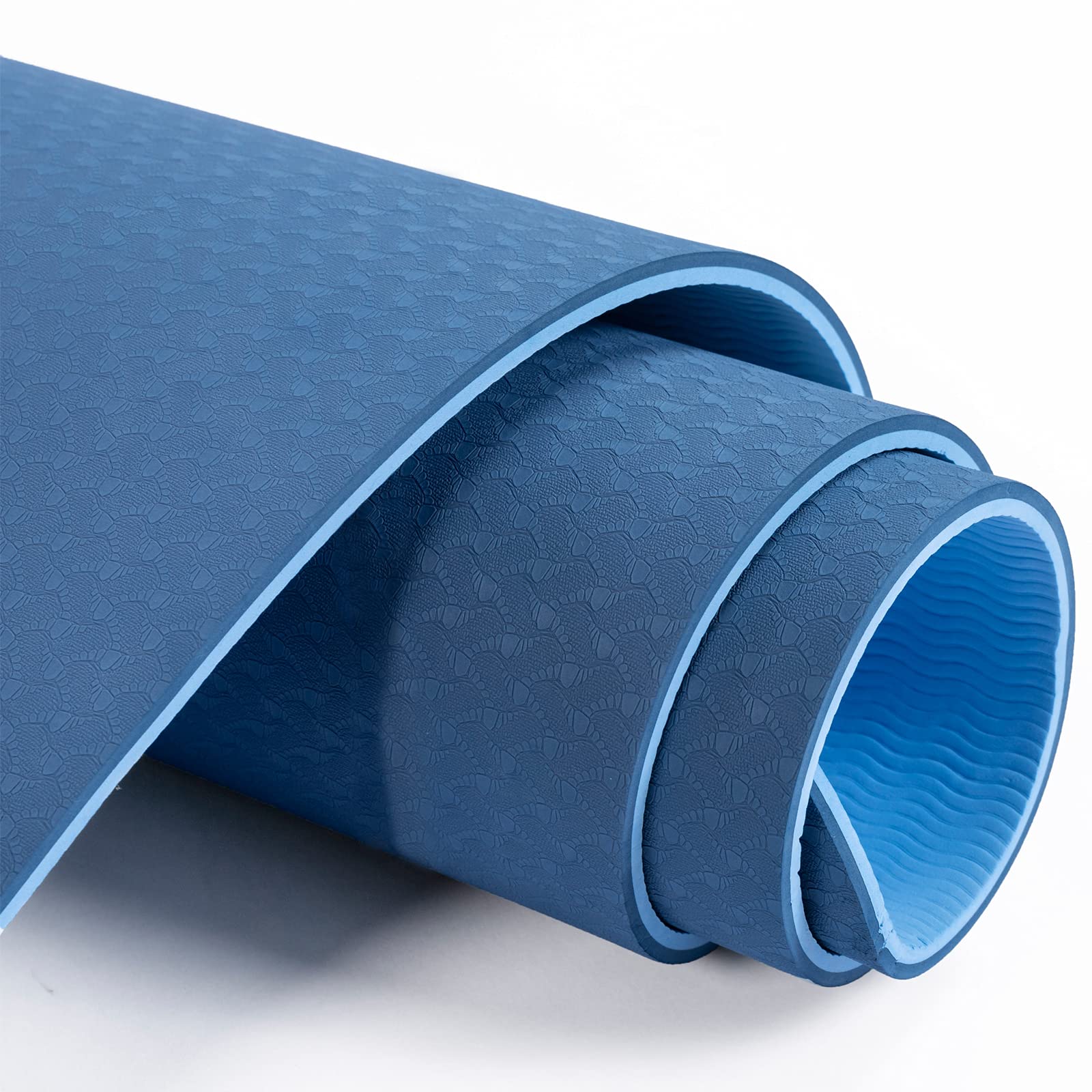
A yoga mat does far more than cushion your knees during floor exercises. Every time you step onto a yoga mat, your body receives immediate physical feedback about its position, balance, and alignment. This sensory input is one of the most underrated contributors to better posture during workouts, and understanding how it works can help you train smarter, move more safely, and build a stronger postural foundation over time.
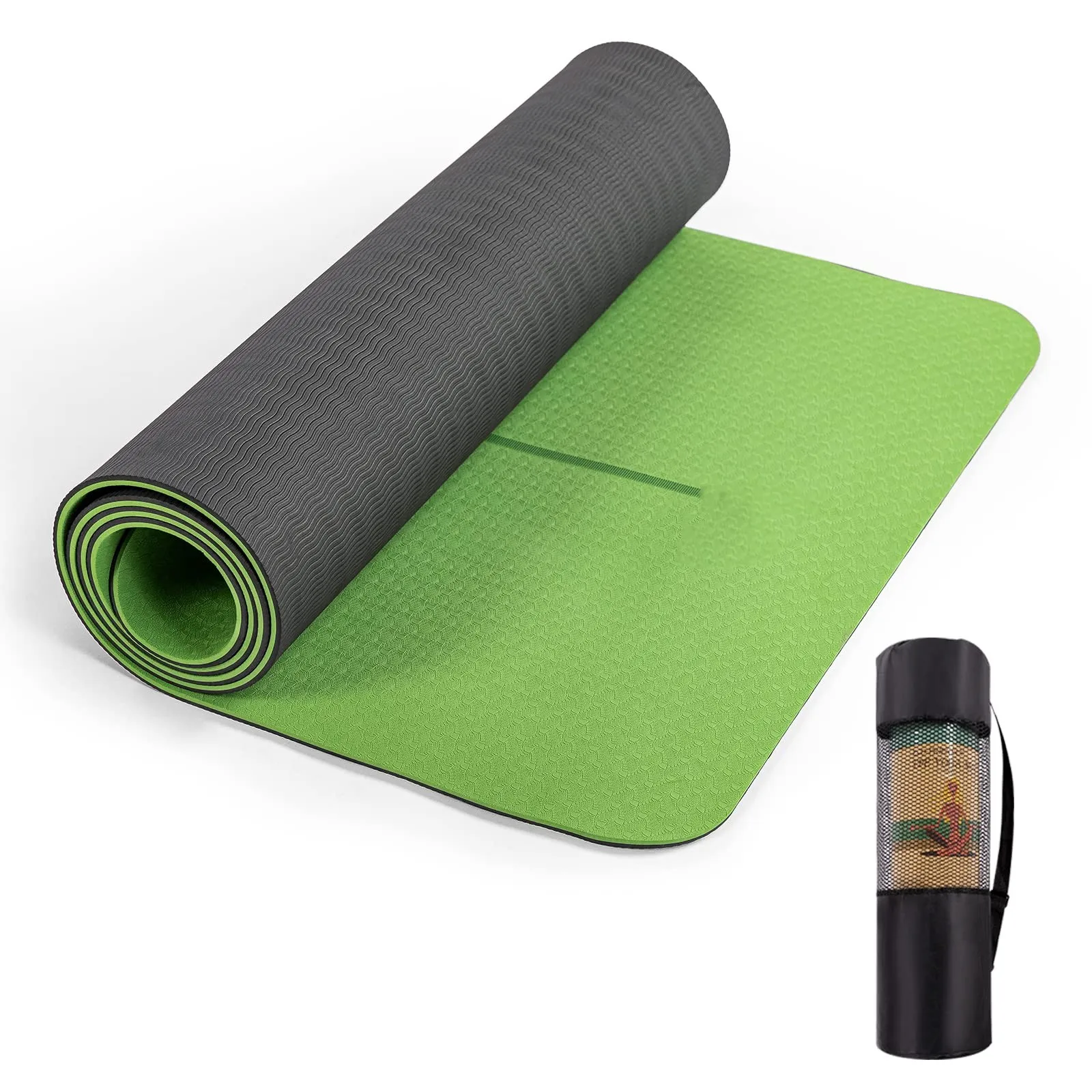
Whether you practice yoga, Pilates, bodyweight training, or stretching routines, the surface you work on directly influences how your body holds itself. A quality yoga mat creates a stable, consistent environment where proper spinal alignment, balanced weight distribution, and controlled movement become achievable goals rather than abstract ideals. This article explores exactly how a yoga mat contributes to better posture during workouts, from the mechanics of grip and stability to the role of alignment guides and joint support.
The Role of Surface Stability in Postural Alignment
How a Stable Base Corrects Body Positioning
Posture during exercise begins from the ground up. When you stand, lunge, or hold a balance pose on an unstable or slippery surface, your body unconsciously compensates by tensing unnecessary muscle groups, shifting weight unevenly, and rounding the spine to find balance. A yoga mat eliminates much of this reactive compensation by providing a predictable, non-slip surface that your feet and hands can trust. With that foundation secure, your muscles can focus on maintaining proper alignment rather than fighting against an unreliable floor.
A high-quality yoga mat with strong grip allows your feet to root firmly into the ground during standing poses, which directly supports a neutral pelvic tilt and an elongated spine. This is particularly important during movements like warrior poses, squats, or standing stretches, where even a slight foot slip can cause the hips to rotate out of alignment and trigger a chain reaction of compensatory posture shifts throughout the body. A reliable yoga mat interrupts that chain before it starts.
The Connection Between Grip and Spinal Neutrality
Spinal neutrality — the natural 'S' curve of a healthy spine — is the goal of most postural correction strategies. A yoga mat supports spinal neutrality by anchoring your contact points firmly, so your core muscles can engage without simultaneously stabilizing against surface movement. When your yoga mat holds your position securely, your deep stabilizer muscles receive cleaner activation signals, which means better core engagement, reduced lower back strain, and a more upright, balanced posture throughout your workout.
Alignment Guides and Postural Awareness
Visual Cues That Train the Body Over Time
Many yoga mat designs include printed alignment lines, center guides, or symmetry markers. These visual cues serve a highly practical postural function. When you position your hands, feet, or hips relative to the guide lines on a yoga mat, you develop spatial awareness about where your body is in space — a skill called proprioception. Over repeated sessions, this awareness becomes internalized. You begin to feel when your shoulders are uneven, when your hips are rotated, or when your stance is too wide, all because consistent practice on a structured yoga mat has trained your nervous system to recognize correct alignment.
Using a yoga mat with clear alignment guides is especially beneficial for beginners who have not yet developed the body awareness needed to self-correct in real time. Even without a mirror or an instructor, the yoga mat itself acts as a silent postural coach, reminding you with every rep and every pose to return to symmetry and balance.
How Consistent Surface Conditions Build Postural Habits
Posture is largely a matter of habit. The positions your body defaults to during exercise become the positions it defaults to during daily life. A yoga mat provides a consistent sensory environment that trains these habits deliberately. Because a yoga mat offers the same level of grip, texture, and feedback every session, your body learns to expect and reproduce the same aligned postures. This consistency is far more powerful than occasional correction, and it explains why regular yoga mat users often report improved standing posture, reduced back tension, and better body awareness outside the gym.
Joint Support and Reduced Compensatory Posture
Cushioning That Protects Joints and Preserves Alignment
One of the most direct ways a yoga mat contributes to better posture is through joint protection. When knees, wrists, elbows, and hips make contact with a hard floor without cushioning, the body instinctively shifts weight and posture to reduce discomfort. This protective compensation distorts alignment. A yoga mat with adequate thickness absorbs impact and distributes pressure evenly, removing the postural distortions caused by joint discomfort. With pain or pressure removed from the equation, your body can hold proper form longer and with less effort.
A yoga mat made from quality materials such as TPE — thermoplastic elastomer — offers a balance of firmness and cushioning that supports neutral joint positioning without allowing excessive sinking. Excessive softness in a yoga mat can actually destabilize your joints and make alignment harder to maintain, which is why material quality matters as much as thickness when selecting a yoga mat for postural goals.
Reducing Muscular Overcompensation Through Better Support
When joints are unsupported, smaller stabilizer muscles around the knees, ankles, and hips overactivate to compensate. This leads to muscular imbalance, fatigue, and asymmetrical movement patterns — all enemies of good posture. A yoga mat reduces this overcompensation by providing reliable mechanical support at every contact point. With a yoga mat handling ground-level stability and shock absorption, your larger postural muscles — the glutes, spinal erectors, and core — can do their intended jobs without interference, resulting in cleaner movement mechanics and better alignment over every set and session.
FAQ
Does the thickness of a yoga mat affect posture during training?
Yes. A yoga mat that is too thin offers insufficient joint cushioning, leading to compensatory posture shifts. A yoga mat that is too thick can feel unstable under the feet. A medium thickness — typically around 6mm — provides the balance of support and stability best suited to maintaining proper postural alignment during most exercises.
Can a yoga mat help with lower back posture specifically?
A yoga mat supports lower back posture by stabilizing your base, encouraging core engagement, and cushioning the spine during floor-based exercises. When your yoga mat provides reliable grip and cushioning, the lower back muscles are less likely to compensate for instability, which reduces tension and helps maintain a neutral lumbar curve during workouts.
Is a non-slip yoga mat better for postural training than a standard exercise mat?
For postural training specifically, a non-slip yoga mat is significantly more effective. Slippage forces the body into reactive compensation patterns that distort alignment. A yoga mat with a textured, non-slip surface keeps your contact points anchored, allowing your body to focus on controlled, aligned movement rather than balance recovery, which is the core mechanism through which a yoga mat improves posture during exercise.