 EN
EN


If you have ever dealt with knee pain, poor balance, or weak glute activation, the root cause often traces back to underdeveloped hip stabilizers. A hip band is a simple yet remarkably effective tool that applies targeted resistance to the hips and glutes, forcing the stabilizing muscles to engage with every movement. Athletes, rehabilitation specialists, and everyday gym-goers have adopted hip band training because it delivers measurable results without complex equipment or heavy loading.
The concept behind hip band training is straightforward: by placing a fabric or latex hip band around the thighs or ankles, you create external resistance that challenges the abductors, glute medius, and deep hip rotators throughout each exercise. This constant tension encourages greater muscle recruitment compared to bodyweight training alone. Whether you are preparing for a heavy squat session, recovering from injury, or simply improving your daily movement quality, the hip band provides a practical and scalable challenge for the hip complex.
How a Hip Band Builds Hip Stability
Activating the Glute Medius and Deep Stabilizers
Hip stability does not come from the large prime movers alone. The glute medius and deep external rotators are the muscles primarily responsible for keeping your pelvis level and your knees tracking correctly. Many people have chronically underactive glute medius muscles due to prolonged sitting and low-demand daily activity. Incorporating a hip band into your warm-up or training routine places direct resistance on these smaller stabilizers, prompting them to fire more consistently. Exercises such as clamshells, lateral band walks, and glute bridges performed with a hip band force these muscles to work against resistance in every repetition, rebuilding the neuromuscular connection that is often lost through inactivity.
When you use a hip band during a lateral walk, for example, the band resists the abduction of each step, requiring your glute medius to maintain tension throughout the entire movement. Over time, this pattern of activation translates into improved postural control during dynamic activities like running, jumping, and changing direction. The hip band essentially teaches your stabilizers to stay switched on when they are needed most.
Reducing Knee Valgus and Improving Joint Alignment
One of the most clinically relevant benefits of hip band training is its ability to reduce knee valgus, the inward collapse of the knee that occurs during squats, lunges, and landing mechanics. Knee valgus is closely associated with anterior cruciate ligament injuries, patellofemoral pain, and long-term joint deterioration. By placing a hip band above the knees during squat variations, you create tactile and mechanical feedback that cues the hips to stay in proper alignment. The band resists inward collapse, and the act of pushing the knees outward against the hip band reinforces correct movement patterns. Athletes and physiotherapists frequently use the hip band as a corrective tool during single-leg exercises for exactly this reason.
How a Hip Band Enhances Hip Mobility
Improving Range of Motion Through Resistance
Mobility is not just about passive flexibility. True hip mobility requires that you can actively control movement through a full range of motion under load. The hip band is uniquely suited to developing this active mobility because it provides resistance at the end range of motion, where strength and control are most often lacking. Hip circles, banded hip flexor stretches, and resisted hip rotations all benefit from the tension a hip band provides. This resistance encourages the muscles around the joint to remain engaged even at their longest position, gradually expanding the functional range available to you.
For individuals with tight hip flexors or restricted internal rotation, using a hip band during mobility drills adds a proprioceptive challenge that passive stretching cannot replicate. The brain receives constant feedback about joint position and muscle tension when the hip band is engaged, which accelerates the process of making new movement ranges feel accessible and controlled. Regular hip band mobility work can noticeably improve squat depth, stride length, and overall athletic performance within weeks of consistent practice.
Supporting Progressive Overload in Mobility Training
One advantage that makes the hip band stand out in mobility training is its ability to support progressive overload without adding axial load to the spine. Unlike barbells or dumbbells, the hip band applies resistance in a plane-specific, joint-friendly manner. You can use a light hip band to begin with and gradually move to a heavier resistance hip band as your strength and control improve. This progression keeps your hip complex adapting over time rather than plateauing at a baseline level of function. For rehabilitation contexts, this quality makes the hip band an essential tool for reintroducing load to recovering tissues safely and incrementally.
Practical Application of Hip Band Training
Integrating the Hip Band Into Your Workout Structure
The hip band is versatile enough to serve multiple roles within a single training session. As a warm-up tool, the hip band primes the glutes and stabilizers before heavier compound lifts, reducing the risk of compensation patterns and injury. Performing two or three sets of lateral band walks, monster walks, and banded glute bridges before squatting or deadlifting ensures that the posterior chain is fully activated. Many strength coaches recommend spending five to ten minutes with a hip band before any lower-body session for precisely this reason.
Within a conditioning or rehabilitation program, the hip band can serve as the primary resistance tool for targeted hip strengthening. Circuit formats using the hip band for clamshells, fire hydrants, seated abductions, and single-leg squats create a comprehensive hip stability stimulus without requiring heavy equipment. The hip band is portable, affordable, and appropriate for home training environments, which makes it accessible to a much wider population than traditional gym machines targeting the same muscle groups.
Choosing the Right Hip Band for Your Goals
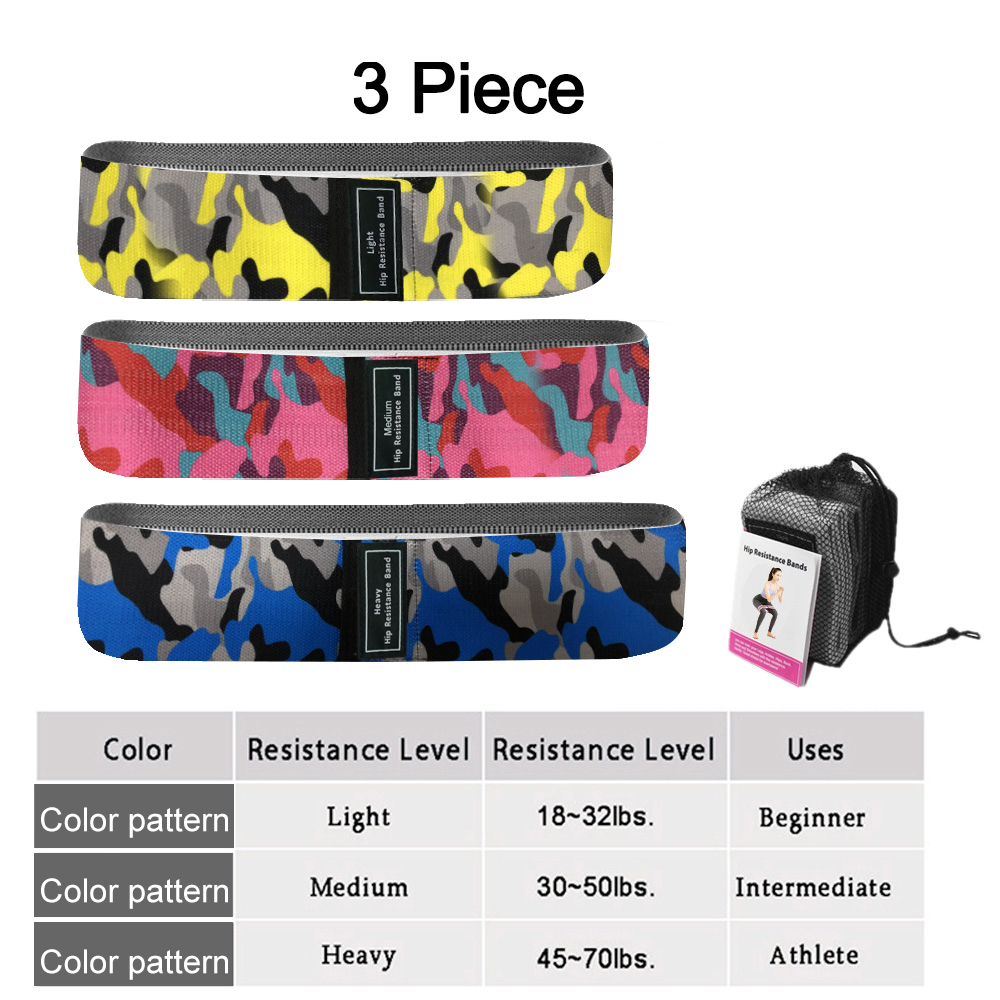
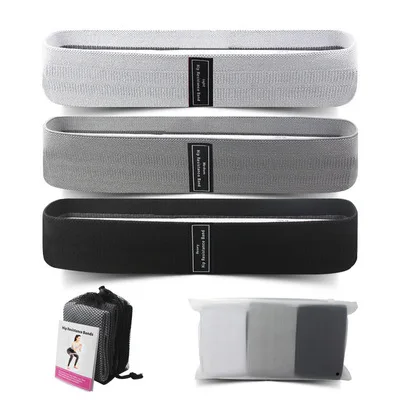
Not all hip band options offer the same training experience. Fabric hip band designs are generally preferred over thin latex styles for hip-specific work because they stay in position during dynamic movements and do not roll or cut into the skin. A set of hip band options at different resistance levels allows you to scale appropriately based on the exercise and your current strength level. For beginners, a lighter hip band supports learning correct movement patterns. Intermediate and advanced trainees benefit from a heavier hip band during compound exercises to maintain a meaningful challenge. Selecting a non-slip hip band with a structured weave ensures consistent resistance delivery throughout every set.
FAQ
How often should I use a hip band for best results?
Using a hip band three to five times per week produces reliable improvements in hip stability and mobility. Consistency matters more than session duration. Even a focused ten-minute hip band routine performed regularly will yield better long-term results than infrequent, longer sessions. Many athletes include hip band work in every lower-body training day as part of their warm-up protocol.
Can a hip band help with lower back pain?
Yes. Many cases of lower back pain are linked to weak or inhibited glutes and hip stabilizers. When the hip complex cannot adequately support movement, the lumbar spine compensates and becomes overloaded. Regular hip band training strengthens the stabilizers that protect the lower back indirectly. However, if you are experiencing acute lower back pain, consult a healthcare professional before beginning a hip band program.
Is a fabric hip band better than a latex one?
For hip-specific exercises, a fabric hip band generally performs better than a thin latex hip band. Fabric hip band designs are wider, stay in place during lateral movements, and distribute resistance more evenly across the thigh. A latex hip band can roll and bunch during exercises like lateral walks, which disrupts form and reduces effectiveness. For most users, a high-quality fabric hip band offers a more reliable and comfortable training experience.