 EN
EN


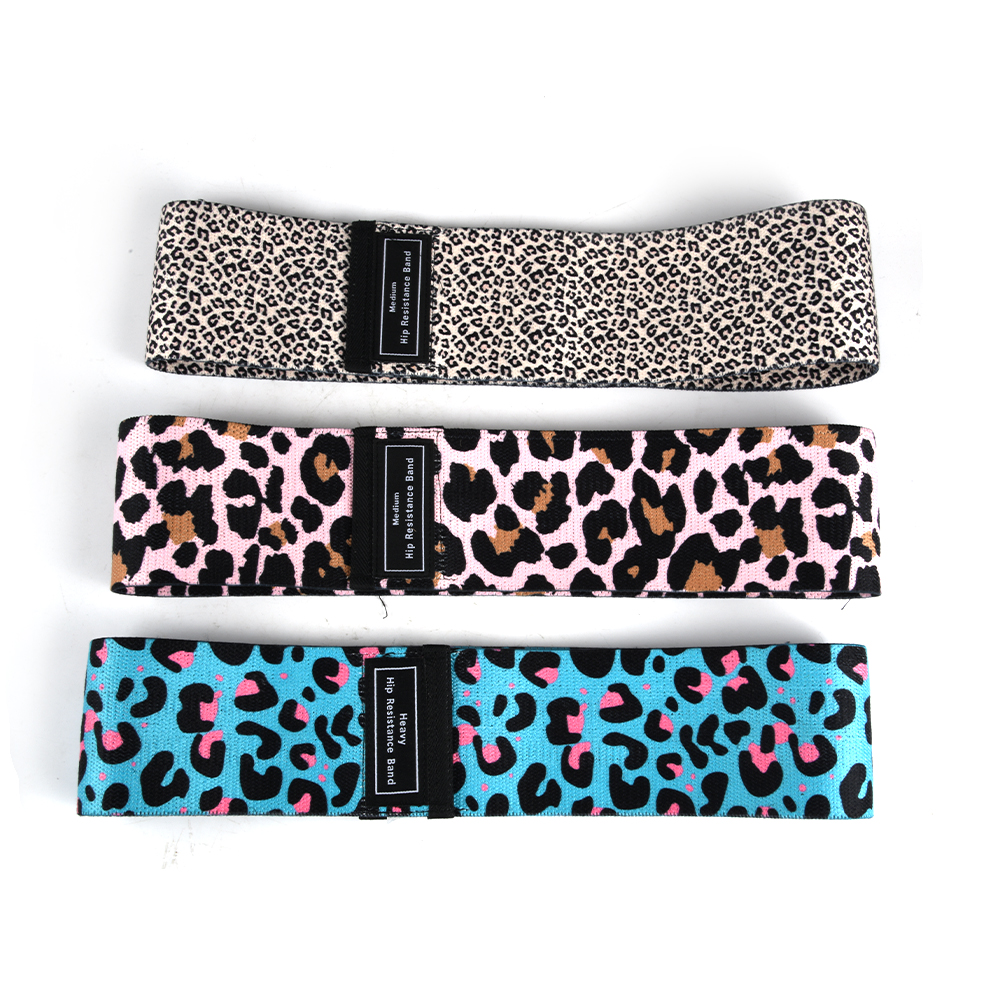
Setting up a home gym in a small apartment or spare room comes with real constraints — limited floor space, tight budgets, and the constant challenge of finding equipment that actually delivers results without overwhelming the room. A hip band is one of the most space-efficient tools available for strength and conditioning training today. Whether you are a fitness beginner or a seasoned athlete training from home, the hip band consistently earns its place in compact setups because of its versatility and minimal footprint.
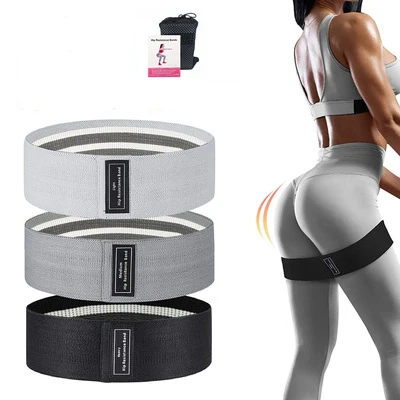
The short answer is yes — a hip band is highly suitable for compact home gym setups. Unlike cable machines, squat racks, or leg press units, a hip band requires no permanent installation, no significant floor space, and no maintenance. A single hip band or a multi-level hip band set can support dozens of exercises targeting the glutes, hips, thighs, and core. This article explores why the hip band is a smart investment for small home training spaces and how to get the most from it in a limited environment.
Why the Hip Band Suits Small Training Spaces
Minimal Space, Maximum Output
A hip band takes up almost no storage space. You can fold a hip band flat, roll it into a drawer, or hang it on a hook — none of which is possible with traditional gym equipment. Even a full hip band set with multiple resistance levels fits comfortably into a small pouch or a single shelf in a closet. For anyone training in a studio apartment, a bedroom, or a converted garage, the hip band eliminates the need to sacrifice significant square footage just to maintain a functional workout routine.
Beyond storage, the hip band also requires very little active workout space. Most hip band exercises are performed standing, seated, or lying down within a one-to-two-metre radius. You do not need a dedicated workout room or open floor plan to complete a full lower-body session with a hip band. This makes the hip band one of the most practical tools for anyone who values both training effectiveness and spatial efficiency.
No Installation or Assembly Required
Unlike pull-up bars, cable systems, or weight benches, a hip band requires zero installation. You simply take the hip band out and begin your workout. This 'ready-to-use' quality means there is no barrier between your intention and your training session. For compact home gym users who want streamlined setups, the hip band delivers immediate utility without the hassle of bolting, drilling, or anchoring anything into walls or floors. The hip band is genuinely plug-and-play in the truest sense.
Training Effectiveness of a Hip Band in Home Settings
Targeted Muscle Activation for Glutes and Hips
The primary function of a hip band is to create resistance around the lower body — particularly around the thighs and hips — to activate the glute muscles more intensely during movement. When you place a hip band just above the knees during squats, bridges, or lateral walks, it forces the hip abductors to engage more deeply than they would without resistance. This activation is especially valuable for home gym users who lack access to machines designed specifically for glute isolation. The hip band replicates much of that targeted stimulus using only body weight and elastic resistance.
A quality fabric hip band also tends to stay in place better than thin latex versions, which is important when you are performing dynamic or high-repetition movements. Anti-slip fabric hip bands grip the skin or clothing without rolling or digging in, allowing you to focus on form and muscle engagement rather than adjusting the band mid-exercise. For compact home gym users who are training alone without a coach watching their technique, a well-designed hip band reduces distraction and supports better movement quality.
Progressive Resistance With a Multi-Level Hip Band Set
One common concern with home gym equipment is the lack of progressive overload — the ability to gradually increase training difficulty as you grow stronger. A hip band set with multiple resistance levels solves this problem effectively. By starting with a lighter hip band and moving to a heavier resistance level over weeks or months, you can continue to challenge your muscles without purchasing new equipment. A three-level hip band set, for example, can support a training programme from beginner to intermediate level without requiring a single additional piece of gear. This progressive capacity is essential for long-term training results and makes the hip band set a particularly smart investment for compact home gym setups.
Practical Integration Into a Compact Home Gym Routine
Combining the Hip Band With Other Compact Tools
A hip band pairs naturally with other compact gym tools such as resistance tubes, a yoga mat, or a set of dumbbells. Because the hip band focuses primarily on the lower body and hip area, it complements upper-body tools without overlap or redundancy. A typical compact home gym session might begin with a hip band warm-up to activate the glutes, move into compound movements with dumbbells, and finish with hip band cool-down stretches targeting the hip flexors. This kind of layered approach allows a very small equipment collection to deliver a well-rounded, full-body training effect.
Workout Variety That Prevents Plateau
Variety is another reason the hip band suits compact home gym users so well. The same hip band can be used for squats, deadlifts, lateral band walks, clamshells, glute bridges, fire hydrants, standing kickbacks, and seated abduction exercises. Each movement pattern challenges the glutes and hips from a slightly different angle, which helps prevent training plateau and maintain muscle adaptation over time. When you incorporate a hip band consistently into your routine, you are essentially unlocking a wide library of exercises with a single, inexpensive tool. That exercise diversity is difficult to match at the same cost and spatial footprint.
The hip band also supports warm-up protocols effectively. Before heavy lower-body work, using a hip band for activation drills primes the glutes and hip stabilisers, which can reduce injury risk and improve performance in subsequent exercises. This dual role — as both a warm-up tool and a primary training tool — reinforces the value of keeping at least one hip band in any compact home gym setup.
FAQ
What resistance level should I choose for my first hip band?
If you are new to resistance training, a light or medium resistance hip band is the best starting point. These levels allow you to learn proper movement mechanics without overloading the muscles too early. As your strength and technique improve, you can progress to a heavier hip band for greater challenge.
Can a hip band replace gym machines for glute training?
A hip band cannot fully replicate the loading capacity of a hip thrust machine or cable stack, but it can deliver comparable glute activation for bodyweight and light-load exercises. For compact home gym users, a hip band provides sufficient stimulus to build strength and muscle tone in the glutes and hips without heavy machinery.
How do I care for a fabric hip band to extend its lifespan?
Fabric hip bands should be hand-washed in cool water with mild detergent and air-dried away from direct sunlight. Avoid machine washing on high heat, as this can degrade the elastic fibres inside the fabric. Proper care will keep your hip band in good condition for months or even years of regular use.