 EN
EN


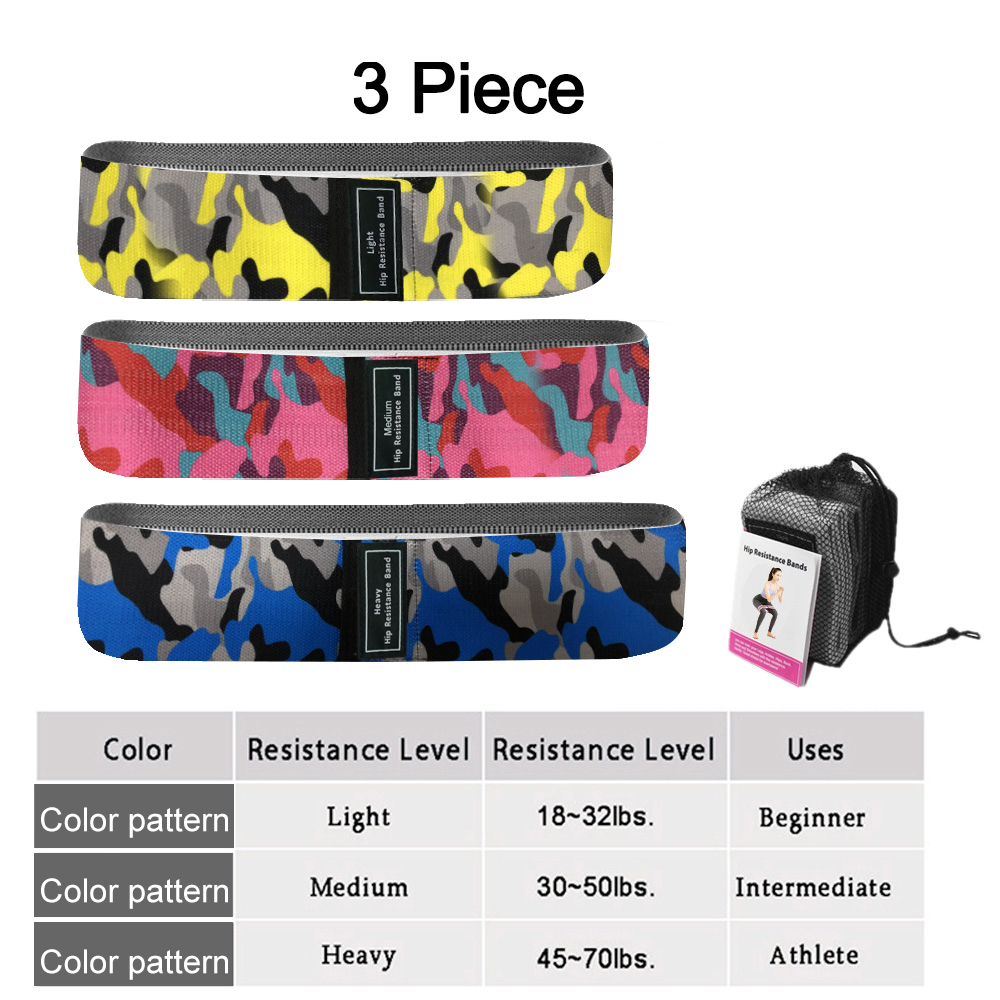
A hip band is one of the most effective tools for building lower body functional strength, yet it remains underused in many training programs. Unlike heavy barbell movements that demand significant technique and loading experience, the hip band delivers consistent resistance across a natural range of motion, making it accessible and highly productive for athletes, gym-goers, and rehabilitation clients alike. When used correctly, hip band exercises directly challenge the muscles responsible for real-world movement patterns such as walking, squatting, climbing, and lateral change of direction.
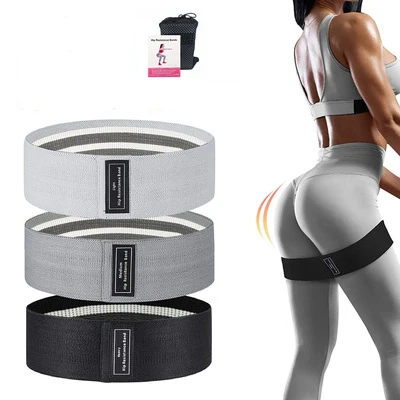
Functional strength is not simply about how much weight you can lift. It is about how well your muscles coordinate during dynamic movement. The hip band excels in this area because it applies tension throughout the full movement arc, requiring your stabilizers and prime movers to stay active at every point. This article explains how hip band training improves lower body functional strength, what muscle systems it targets, how to structure it effectively, and what results you can realistically expect from consistent hip band use.
How the Hip Band Activates Key Lower Body Muscles
Glute Activation and Hip Stability
The gluteus maximus, medius, and minimus are the primary drivers of hip extension, abduction, and rotation. Many people have underactive glutes due to prolonged sitting and sedentary habits. A hip band placed above the knees or around the thighs forces the glutes to engage continuously throughout each exercise. Hip band movements like clamshells, lateral walks, and glute bridges directly load these muscles with progressive tension, encouraging stronger neuromuscular activation. Over time, hip band training restores proper glute function, which is essential for protecting the knees, lower back, and hip joints during compound movements.
Hip Flexors, Adductors, and Rotational Muscles
The hip band does not only target the glutes. When you perform squat variations or step-out drills with a hip band, your hip flexors and adductors are also recruited to control the resistance and maintain alignment. Rotational stability muscles, including the piriformis and deep external rotators, must work hard to prevent the knees from caving inward against hip band tension. This multi-muscle engagement is precisely what makes hip band training so effective for functional strength. It trains the body to resist unwanted movement while producing intentional force, which is the foundation of athletic and everyday performance.
Hip Band Training Methods That Build Functional Strength
Resistance Progression and Load Selection
Functional strength development requires progressive overload, and the hip band system supports this well. Most hip band sets come in multiple resistance levels, typically light, medium, and heavy. Beginners should start with a light hip band to learn movement patterns without compensation. As hip band exercises become easier, moving to a heavier hip band increases demand on the target muscles, promoting adaptation. Consistent progression ensures that the lower body continues to develop functional capacity rather than simply maintaining what it has already achieved. Choosing the right hip band resistance level for your current strength baseline is one of the most important decisions in this training approach.
Movement Patterns Suited to Hip Band Use
The hip band integrates into a wide range of functional movement patterns. Glute bridges and single-leg variations with a hip band build posterior chain power that transfers directly to running and jumping. Lateral band walks with a hip band improve frontal plane stability, reducing injury risk during cutting and pivoting movements. Monster walks using a hip band challenge the hip complex through a diagonal loading angle that few other tools can replicate. Squats and sumo squats performed with a hip band above the knees reinforce external rotation strength and improve knee tracking, both of which are critical for safe and powerful lower body function.
The Functional Strength Outcomes of Consistent Hip Band Training
Improved Movement Quality and Injury Resilience
One of the most significant benefits of hip band training is the improvement in movement quality. When the glutes, stabilizers, and rotators are trained consistently with a hip band, the entire kinetic chain begins to function more efficiently. This translates to better squat depth, more stable single-leg landings, and reduced stress on passive structures like ligaments and tendons. Athletes who incorporate hip band work as part of their warm-up or accessory training report fewer hip and knee injuries over time. The hip band creates a feedback loop during movement: if your alignment drifts, the band provides immediate tension to correct it.
Transferable Strength Gains Across Activities
Functional strength must transfer beyond the gym. Hip band training accomplishes this by developing the stabilizer muscles that support primary movers during complex activities. A stronger glute medius from hip band lateral exercises means better balance while running on uneven terrain. Stronger deep rotators from hip band work improve performance in sports that require direction changes. Even in everyday activities such as climbing stairs or standing from a seated position, the functional gains from hip band training become noticeable. The hip band bridges the gap between isolated muscle training and real-world movement demand, making every session directly applicable to life and sport.
FAQ
How often should I use a hip band to see functional strength improvements?
Using a hip band three to four times per week is generally sufficient to drive meaningful functional strength gains. Consistency matters more than frequency alone. Including hip band exercises as part of a dynamic warm-up or as accessory work after main compound lifts ensures regular activation without overloading the hip musculature. Most people notice improved hip stability and movement quality within three to four weeks of consistent hip band training.
Can a hip band replace heavy lower body training?
A hip band is best viewed as a complement to heavier lower body training rather than a direct replacement. The hip band excels at activating stabilizers, improving movement patterns, and building endurance in the hip complex. For maximum functional strength development, combining hip band work with compound movements like squats and deadlifts produces better long-term results than either approach alone. The hip band fills training gaps that barbells and machines simply cannot address.
Is hip band training suitable for beginners and rehabilitation clients?
Yes, hip band training is highly suitable for beginners and those in rehabilitation. The hip band allows precise control over resistance levels, making it easy to start with minimal load and progress gradually. In rehabilitation settings, the hip band is frequently used to retrain glute activation after knee or hip injuries, where heavy loading would be inappropriate. The low-impact nature of most hip band exercises makes them safe for individuals with limited mobility or post-injury sensitivity, while still delivering meaningful strengthening results.