 EN
EN


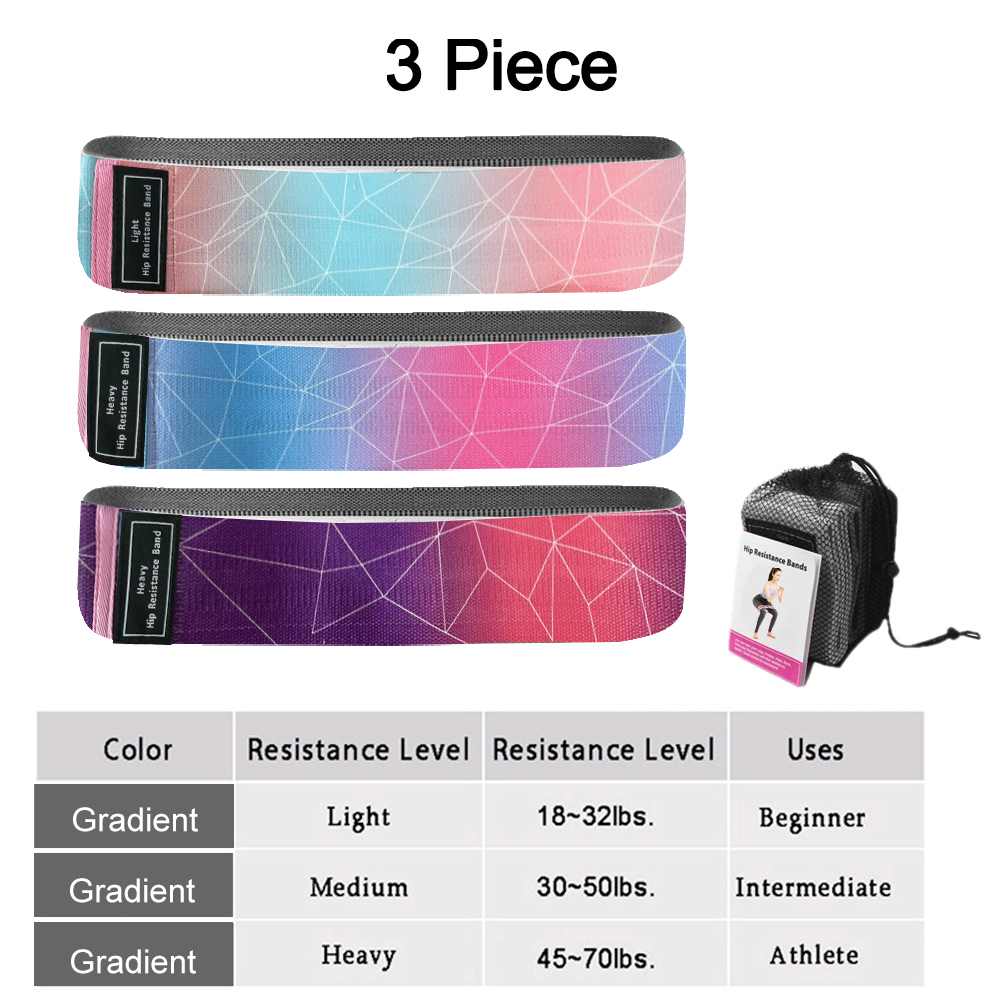
The hip band has become one of the most consistently recommended tools in professional fitness training. Whether working with elite athletes or everyday gym clients, trainers across disciplines continue to reach for the hip band before almost any lower-body session. This preference is not simply a trend — it reflects a deep understanding of how targeted muscle activation shapes training outcomes and long-term movement quality.
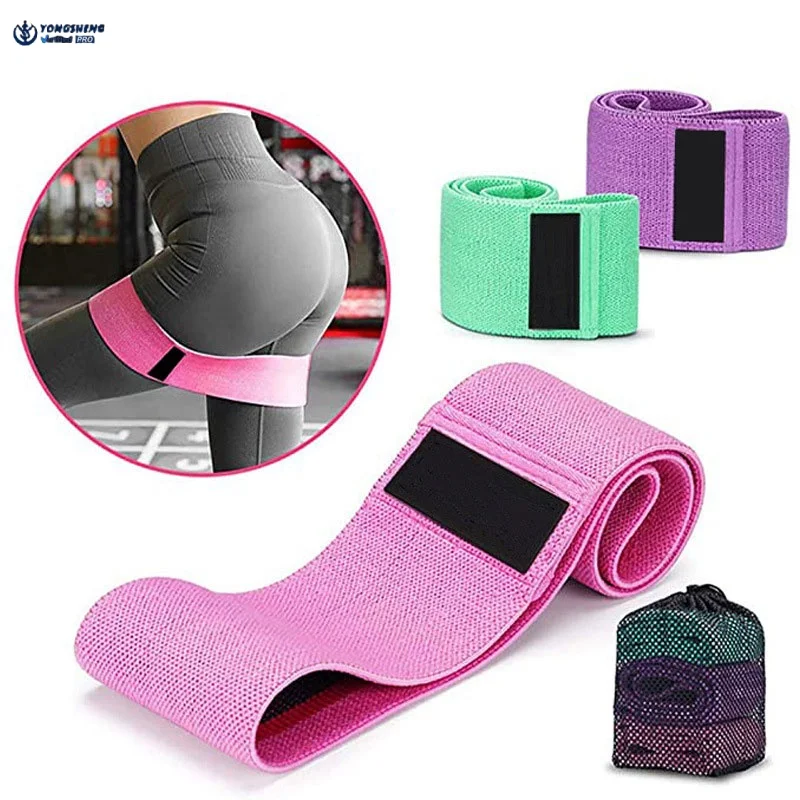
When trainers explain their methods, the hip band appears repeatedly as a foundational warm-up and activation tool. It is compact, versatile, and highly effective at isolating the glutes, hip abductors, and stabilizing muscles that conventional free weights often underload. Understanding exactly why professionals favor the hip band for targeted activation reveals important principles that any serious athlete or coach should know.
The Science Behind Hip Band Activation
How the Hip Band Isolates Key Muscle Groups
The primary reason trainers favor the hip band is its mechanical ability to create constant lateral tension across the hip and thigh. Unlike machines or barbells that load muscles through a fixed plane, the hip band applies resistance in all directions relative to the band's placement. This forces the glutes, hip abductors, and external rotators to stay engaged throughout the full range of motion. A hip band placed just above the knees during a squat, for example, demands continuous contraction from muscles that might otherwise remain passive. This quality makes the hip band uniquely effective for targeted activation before heavier compound lifts.
Electromyography studies consistently show elevated glute medius and gluteus maximus activation when a hip band is used during bodyweight exercises compared to exercises performed without one. The hip band essentially 'teaches' the nervous system to recruit dormant stabilizers, correcting compensation patterns that lead to injury over time. Trainers value this neurological priming effect because it translates directly into safer squats, lunges, and deadlifts.
Why Constant Tension Matters for Glute Development
One of the most cited advantages of the hip band is that it maintains tension even at the top of a movement when resistance from gravity alone would drop to near zero. This constant tension from a hip band stimulates greater time under tension for the target muscles, which is a recognized driver of hypertrophy and strength adaptation. A hip band used during hip thrusts, lateral walks, or monster walks keeps the glutes working throughout every phase, making each repetition far more productive than its unloaded equivalent. Trainers recognize that this efficiency is especially valuable for clients with limited training time or those recovering from hip and knee injuries.
How Trainers Integrate the Hip Band Into Workouts
Hip Band Use in Warm-Up and Activation Protocols
Most trainers introduce the hip band as part of a structured warm-up, not as an afterthought. A typical protocol begins with light hip band lateral walks to open the hip joint and awaken the glute medius. This is followed by hip band squats, clamshells, and glute bridges to progressively increase activation before any barbell work begins. Using a hip band in this sequence prepares the nervous system and the musculature simultaneously, reducing the risk of injury during subsequent heavy loading. Trainers consistently report that clients who use a hip band warm-up demonstrate noticeably better depth, stability, and control in their squat patterns.
The hip band also fits naturally into rehabilitation protocols. Physical therapists and strength coaches use the hip band to rebuild activation in post-surgical patients or individuals with chronic hip weakness. Because a hip band provides graded resistance — from light to heavy depending on the band selected — it allows practitioners to scale difficulty precisely to each client's capacity without the complexity of machine adjustments or free weight handling.
Advanced Hip Band Applications for Experienced Athletes
Experienced athletes use the hip band not only in warm-ups but also as a performance cue during working sets. Placing a hip band above the knees during a squat forces athletes to actively push their knees out, reinforcing correct alignment and preventing the valgus collapse that undermines both performance and joint health. Many strength coaches keep a hip band permanently incorporated into technique correction drills because it provides immediate tactile feedback. When an athlete's knees cave inward, the hip band creates an instant sensory cue that prompts self-correction without verbal coaching interruption. This real-time feedback quality sets the hip band apart from other training aids.
Why the Hip Band Outperforms Alternatives for Targeted Work
Portability and Accessibility of the Hip Band
Trainers operating across multiple facilities, outdoor sessions, or home training environments consistently favor the hip band because it requires no equipment setup and travels easily. A fabric hip band fits into a pocket, making it practical for coaches who move between locations or work with athletes on travel schedules. Unlike cable machines or resistance machine stacks, the hip band delivers consistent targeted activation anywhere without compromising exercise quality. This portability means that a hip band session can deliver genuine glute and hip activation in a hotel room, on a sports field, or in a fully equipped gym with equal effectiveness.
Fabric Hip Band Design and Non-Slip Performance
The shift from thin latex loop bands to fabric hip band designs has accelerated adoption among professional trainers. Fabric hip bands sit securely on the skin and clothing without rolling or bunching, which eliminates the distraction and discomfort associated with earlier latex versions. A well-constructed fabric hip band distributes pressure evenly across the thigh, enabling longer activation sessions and more focused mental attention on muscle engagement. Trainers recommend fabric hip band options specifically for clients who found earlier rubber-style bands painful or prone to slipping. The improved comfort translates directly into better training compliance and more consistent activation results.
FAQ
What muscle groups does a hip band primarily target?
A hip band primarily targets the gluteus maximus, gluteus medius, hip abductors, and external rotators of the hip. When placed above the knees, the hip band also engages the quadriceps and hamstrings as stabilizers. This combination makes the hip band effective for both glute isolation and functional movement pattern training.
How often should a hip band be used in a weekly training plan?
Most trainers recommend incorporating a hip band into every lower-body session as part of the warm-up or activation phase. Using a hip band three to five times per week is common for clients focused on glute development or hip stability rehabilitation. The hip band can also be used during active recovery sessions with lighter resistance to maintain blood flow and neuromuscular readiness without causing additional fatigue.
Is a hip band suitable for beginners?
Yes, a hip band is highly suitable for beginners because it provides resistance without requiring technical barbell or machine skills. A beginner can start with a light-resistance hip band during bodyweight squats and glute bridges to develop foundational activation patterns. As strength and coordination improve, a heavier hip band can be selected to progressively challenge the muscles, making the hip band a scalable tool that grows with the athlete's development.