 EN
EN


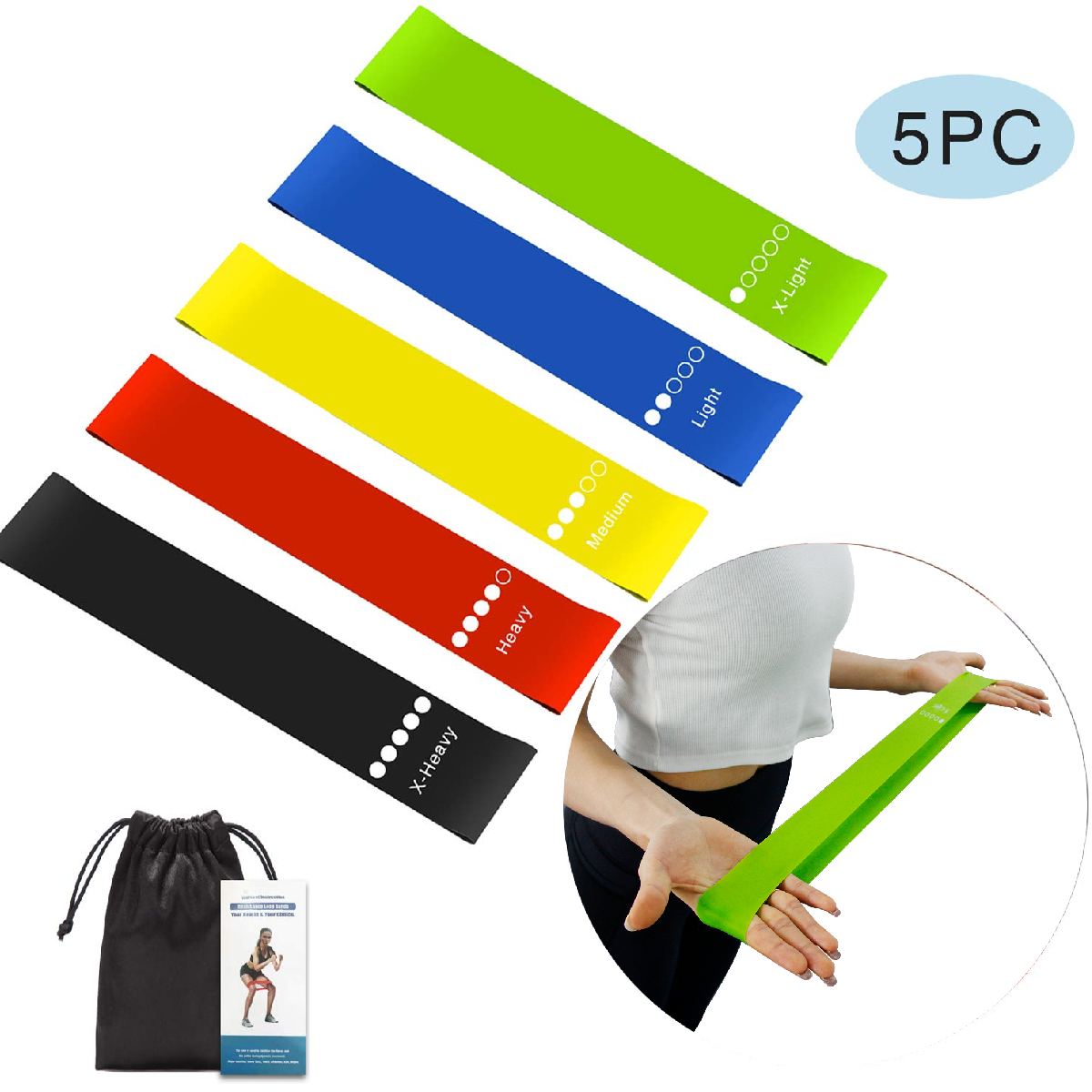
If you want stronger, more defined glutes, adding a mini loop band to your training routine is one of the most effective decisions you can make. The mini loop band is a compact, closed-loop resistance tool that wraps around your thighs, knees, or ankles to create targeted tension during lower body movements. Unlike bulky gym machines, the mini loop band delivers constant resistance through every degree of motion, forcing your glute muscles to engage far more deliberately than they would with bodyweight alone.
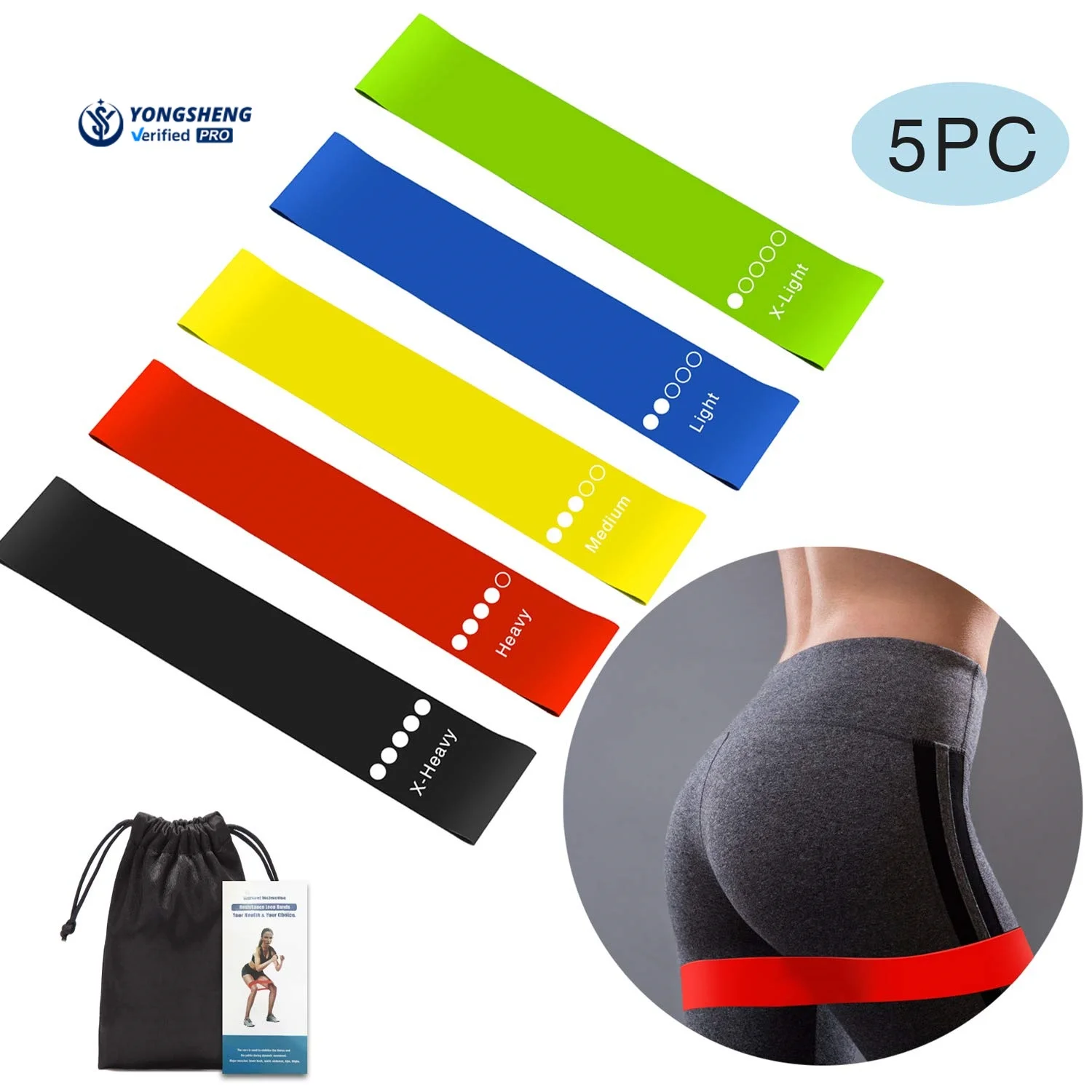
What makes the mini loop band particularly valuable for glute training is its ability to activate the gluteus medius, a frequently neglected muscle that stabilizes the hips and pelvis. Many common exercises like squats and lunges primarily target the gluteus maximus, leaving the medius underdeveloped. By incorporating a mini loop band into your routine, you systematically challenge both the primary and secondary glute muscles, building a more complete, balanced, and functional posterior chain. This article explains exactly how mini loop band training enhances glute strengthening routines from activation to progression.
How the Mini Loop Band Activates Glute Muscles
Creating Constant Lateral Resistance
The core mechanical advantage of the mini loop band lies in constant resistance. When you place a mini loop band just above your knees during a squat or lateral walk, the band pulls your knees inward throughout the entire movement. Your glutes must actively resist this inward pull, generating a sustained abduction force that engages the gluteus medius and minimus continuously. This is fundamentally different from free-weight training, where resistance tends to act vertically rather than laterally. The mini loop band fills this lateral resistance gap and ensures your glutes are working at every point in the exercise range.
Improving Neuromuscular Recruitment
One of the most documented benefits of the mini loop band is its role in improving neuromuscular recruitment. Many people struggle to feel their glutes working during squats or deadlifts, often relying instead on their quads or lower back. Wearing a mini loop band cues your nervous system to actively involve the glute muscles by creating a constant external demand. Over several weeks of mini loop band training, this improved muscle recruitment becomes a conditioned response, meaning your glutes will activate more powerfully even when you train without the band. This transfer of enhanced neural drive makes the mini loop band a long-term investment in glute performance, not just a short-term activation tool.
Best Mini Loop Band Exercises for Glute Development
Banded Squats and Hip Hinges
The banded squat is the foundational mini loop band exercise for glute development. By placing a mini loop band just above the knees and performing a standard squat, you immediately increase glute medius involvement as you push your knees outward against the band. The mini loop band also encourages proper squat form by reminding you to maintain knee alignment, reducing the risk of valgus collapse. For hip hinges like the Romanian deadlift or the glute bridge, a mini loop band placed above the knees adds hip abduction demand at the top of each rep. This end-range activation at hip extension specifically targets the gluteus maximus, which is most active in full hip extension. Performing three to four sets of banded glute bridges per session with a mini loop band can meaningfully increase peak glute contraction intensity.
Lateral Band Walks and Clamshells
Lateral band walks performed with a mini loop band around the thighs are one of the most direct ways to isolate the gluteus medius. As you step sideways in a semi-squat position, the mini loop band resists hip abduction with every step, forcing the medius to fire repeatedly through a controlled range. This exercise is particularly valuable for athletes and rehabilitation patients who need to rebuild lateral hip stability. The clamshell is another highly targeted mini loop band movement. Lying on your side with the mini loop band around your thighs, you rotate the top knee upward against resistance. This simple movement isolates the gluteus medius and external hip rotators with remarkable precision, making it an essential addition to any glute-focused routine. Consistent clamshell training with a mini loop band corrects muscular imbalances that contribute to knee pain and poor running mechanics.
Progressive Overload with the Mini Loop Band
Choosing the Right Resistance Level
Like all resistance training, glute development with a mini loop band requires progressive overload to continue improving. Most quality mini loop band sets include multiple resistance levels, typically ranging from light to extra heavy. Beginners should start with a light or medium mini loop band to develop proper movement patterns before advancing. As your glutes become stronger and more responsive, progressing to a heavier mini loop band adds the additional resistance needed to continue stimulating muscle growth and strength adaptation. Choosing the correct resistance at each training stage ensures that the mini loop band remains a productive tool rather than becoming too easy or too restrictive to perform movements with proper form.
Combining the Mini Loop Band with Loaded Movements
The mini loop band becomes even more powerful when combined with barbell or dumbbell exercises. Adding a mini loop band to a barbell hip thrust, for example, creates simultaneous vertical and lateral resistance, making the glutes work harder than either tool alone would require. This combination approach is used by strength coaches to accelerate glute development in athletes who have already adapted to basic resistance training. The mini loop band can also be used in warm-up protocols before heavy lower body sessions to pre-activate the glutes and improve performance on compound lifts. Even a short five-minute mini loop band warm-up sequence before squatting can increase glute activation during the main workout, leading to better training outcomes over time.
FAQ
How often should I use a mini loop band for glute training?
For most people, using a mini loop band two to four times per week in dedicated glute sessions provides enough stimulus for progressive development. The mini loop band can also be used daily in lighter activation routines without causing excessive fatigue, making it a flexible training tool for various schedules.
Can a mini loop band replace gym machines for glute training?
A mini loop band cannot fully replicate the loading potential of heavy machines like the hip abductor or leg press, but it provides unique lateral resistance that most machines cannot offer. For home training and targeted glute activation work, a mini loop band is highly effective and often superior for muscle recruitment patterns.
What resistance level of mini loop band should beginners start with?
Beginners should start with a light or medium resistance mini loop band that allows full range of motion without compensating form. As strength and control improve, progressively moving to heavier mini loop band options ensures continued adaptation and long-term glute development progress.