 EN
EN


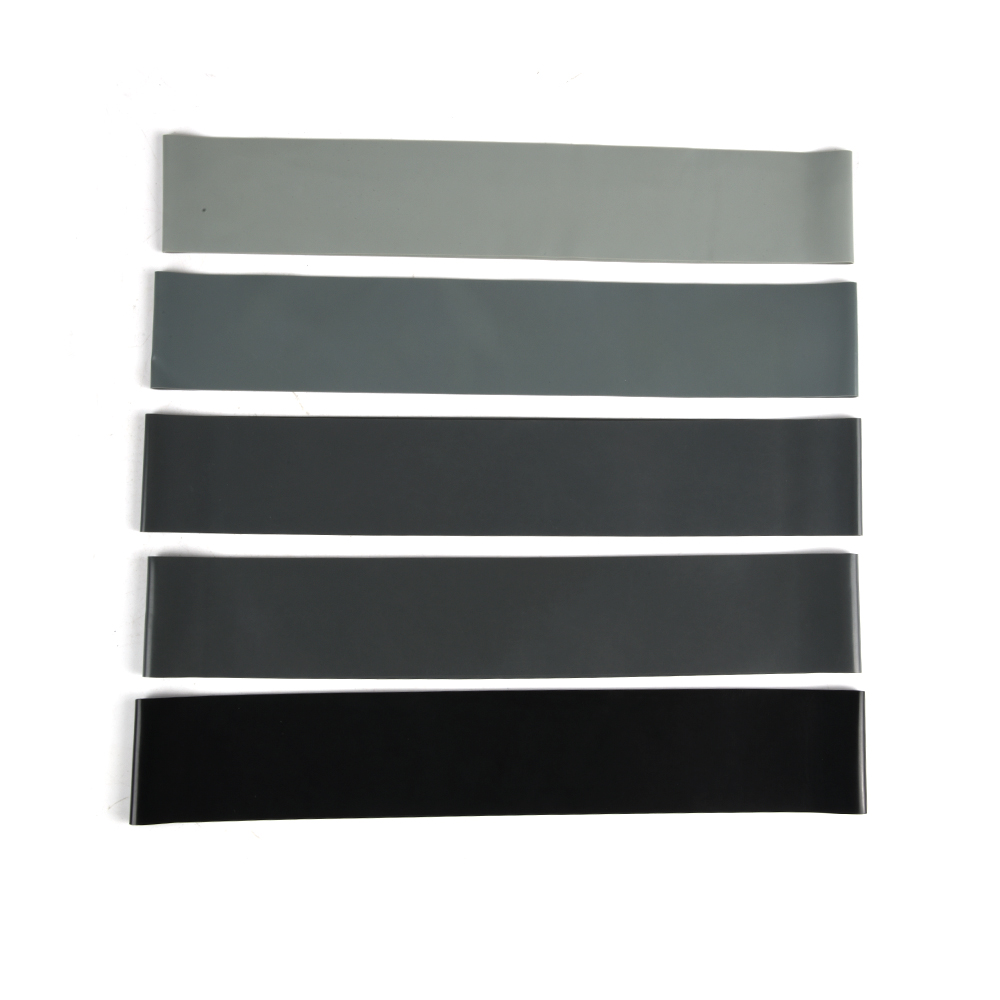
The mini loop band has become one of the most consistently requested products in the fitness equipment market. What started as a niche rehabilitation tool has grown into a staple accessory for home gyms, commercial studios, and professional training programs alike. As consumer demand for versatile, portable resistance tools accelerates, fitness brands are responding by expanding their mini loop band collections in both variety and depth.
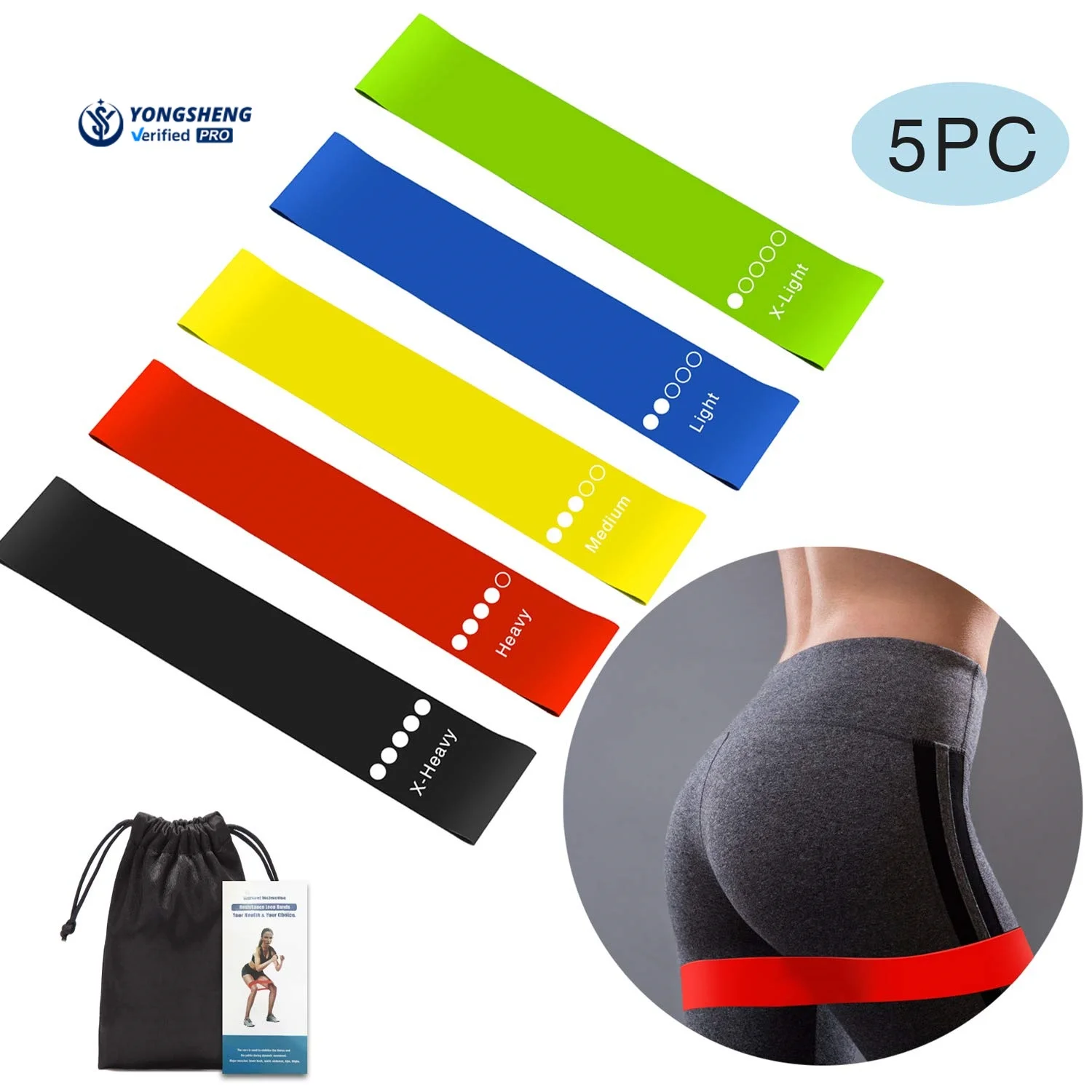
Understanding why brands invest in broader mini loop band lineups reveals important signals about buyer behavior, market trends, and how the fitness industry prioritizes product development. Whether you are a buyer sourcing for retail, a gym owner evaluating equipment options, or a brand strategist planning your next product range, the mini loop band expansion trend offers valuable insights worth exploring closely.
Consumer Demand Is Driving Mini Loop Band Diversification
Wider User Base Across Fitness Levels
One of the clearest reasons fitness brands expand their mini loop band offerings is the broadening consumer base that uses them. A single mini loop band resistance level does not serve every user effectively. A beginner benefits from a light-resistance mini loop band to build foundational strength, while an advanced athlete requires a heavy-resistance mini loop band to challenge their muscles meaningfully. Brands that offer only one or two options leave a large portion of potential buyers without a suitable product. Expanding a mini loop band collection to include multiple resistance levels — typically ranging from extra-light to extra-heavy — ensures that a brand can address the full spectrum of training needs under one product family.
Growing Popularity of Home and Portable Training
The shift toward home fitness has made the mini loop band one of the most searched and purchased resistance tools globally. Its compact size, low storage footprint, and ability to replicate gym-quality resistance training have made it ideal for users who train in small spaces. Fitness brands recognize that the mini loop band is often the first resistance accessory a home gym buyer purchases, making it a critical entry point into their product ecosystem. By expanding the mini loop band range with sets, bundles, and color-coded resistance tiers, brands increase average order value and position themselves as complete solution providers rather than single-product sellers. A five-piece mini loop band set, for example, allows a buyer to progress through resistance levels over time without switching brands.
Material and Design Variations Strengthen Brand Position
Latex vs. Fabric Mini Loop Band Options
Material choice is a significant differentiator in the mini loop band category. Latex mini loop band products deliver consistent snap-back resistance, making them suitable for dynamic exercises, warm-ups, and rehabilitation movements. Fabric mini loop band products, often reinforced with elastic threading, offer greater durability during high-rep lower-body workouts and tend to resist rolling or bunching during use. Brands that carry both a latex mini loop band line and a fabric mini loop band line can serve distinctly different buyer preferences under the same brand umbrella. This material diversification is a deliberate strategy to increase market coverage without requiring entirely new product categories.
Custom Colors and Branding Opportunities
Expanding a mini loop band collection also creates significant opportunities for custom branding. Fitness brands, corporate wellness programs, and gym chains frequently use color-coded mini loop band sets to align with their visual identity. When a supplier can offer a customizable mini loop band in brand-specific colors, print options, or packaging configurations, it becomes far easier for buyers to create a cohesive product line. The mini loop band is one of the most cost-effective products to customize at volume, making it attractive for private-label buyers who want brand differentiation without heavy production investment. This customization demand is a direct incentive for brands to expand their mini loop band catalog.
Strategic and Commercial Reasons Behind Collection Expansion
Higher Retail Margins Through Set Selling
A single mini loop band sold individually carries a relatively modest retail price point. However, a bundled mini loop band set — often including five bands with graduated resistance levels and a carrying pouch — commands a significantly higher price while still offering perceived value to the consumer. Fitness brands expand their mini loop band collections precisely because set-based selling improves margin structures. Buyers perceive a mini loop band set as a complete training system, not just a single accessory, and they are willing to pay more for that completeness. From a brand perspective, the mini loop band set also reduces the frequency of returns and buyer dissatisfaction, since customers are more likely to find the resistance level they need within a set.
Retail Shelf Presence and Category Dominance
Brands that offer a comprehensive mini loop band collection gain a competitive advantage in retail environments, both physical and online. On an e-commerce platform, a brand listing multiple mini loop band SKUs occupies more search visibility, increasing the chance of a buyer discovering their products across different search intents. In physical retail, a full mini loop band display communicates category authority and encourages multi-unit purchases. Expanding the mini loop band range is therefore not just a product decision — it is a retail strategy. Brands that commit to a deep mini loop band catalog are more likely to be selected as preferred suppliers by large fitness retailers and distributors looking for a single reliable source.
FAQ
What resistance levels should a complete mini loop band set include?
A well-designed mini loop band set typically includes five resistance levels: extra-light, light, medium, heavy, and extra-heavy. This range allows users across all fitness levels to train effectively with the mini loop band and progress over time without needing separate purchases.
Is a latex mini loop band suitable for lower-body exercises?
Yes, a latex mini loop band works well for lower-body exercises such as glute bridges, clamshells, and lateral band walks. However, for high-rep sessions, a fabric mini loop band may be preferred as it is less likely to roll up during movement and typically offers greater durability over extended use.
Can a mini loop band be customized for private-label fitness brands?
Yes, the mini loop band is one of the most accessible products for private-label customization. Buyers can typically specify resistance levels, band colors, logo printing, and packaging design. Many suppliers offer minimum order quantities suitable for small brands entering the mini loop band market for the first time.