 EN
EN


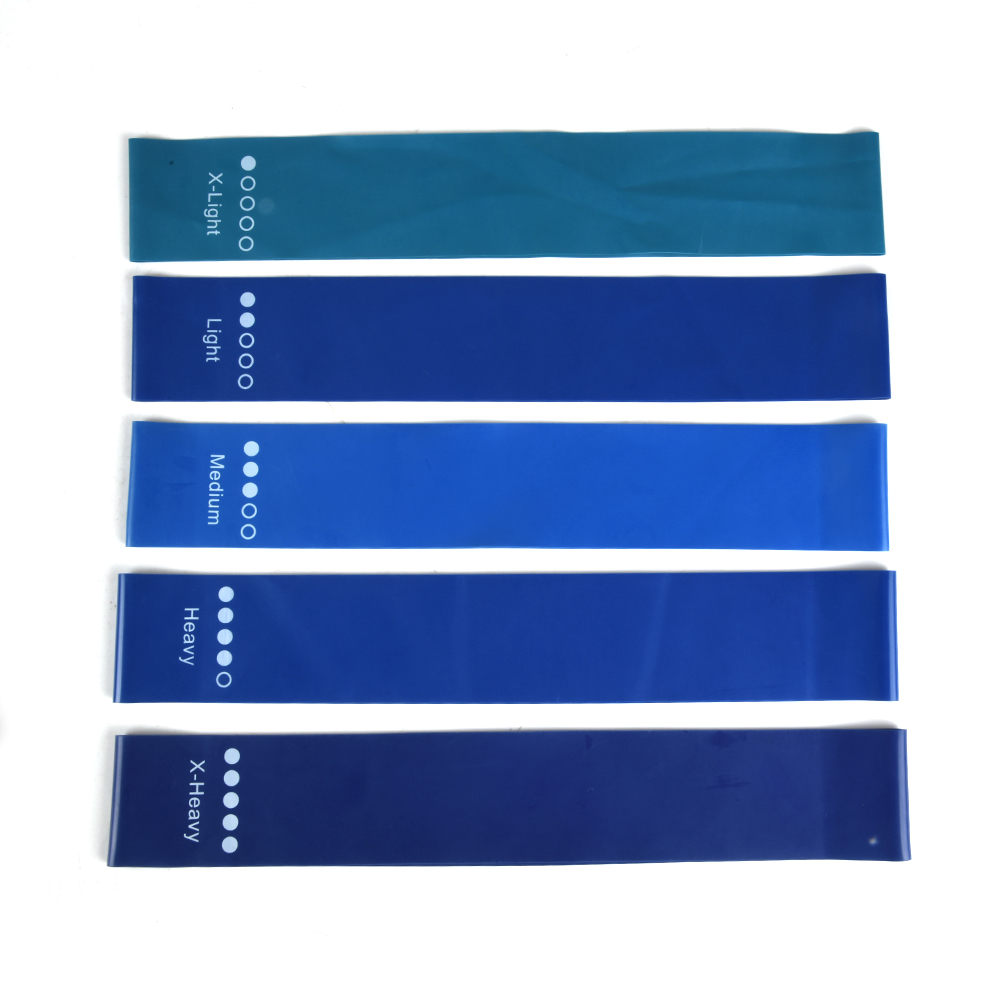
Balance and coordination are foundational qualities for athletic performance, injury prevention, and everyday functional movement. Many training tools promise to develop these skills, but the mini loop band stands out for its ability to challenge the neuromuscular system in a highly specific and progressive way. Unlike heavier free weights or machines, a mini loop band applies constant, manageable tension that forces the body to stabilize continuously throughout each movement, making it an exceptionally practical tool for balance-focused training.
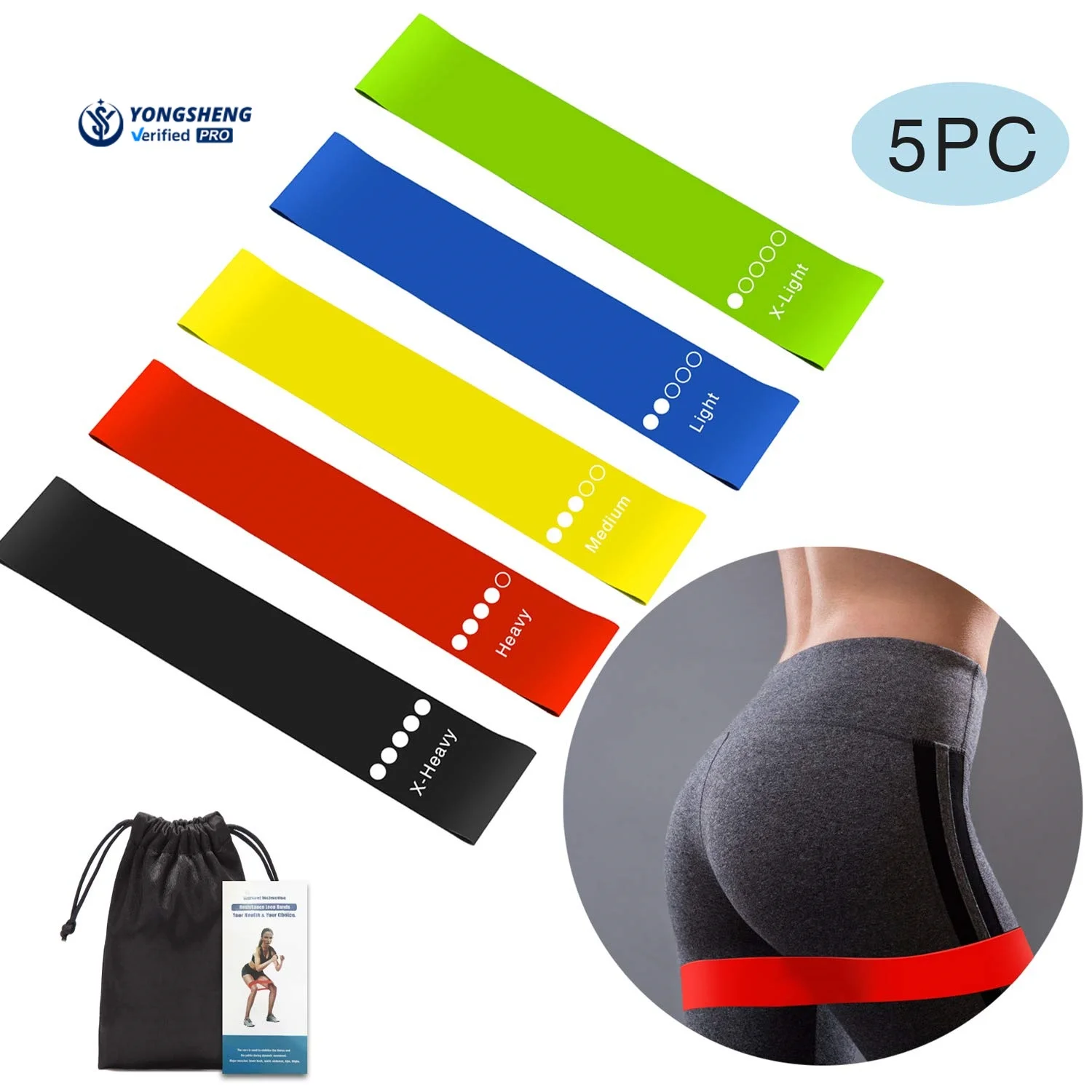
The unique circular design of the mini loop band allows it to be positioned around the ankles, knees, thighs, wrists, or arms, creating resistance across multiple planes of motion. This versatility means that a single mini loop band can be integrated into a wide variety of drills targeting hip stability, ankle control, shoulder coordination, and core activation. Understanding the precise mechanisms by which a mini loop band improves balance and coordination helps coaches and athletes apply it far more effectively in their programs.
The Role of Mini Loop Band Training in Balance Development
Activating Stabilizer Muscles with a Mini Loop Band
One of the primary ways a mini loop band improves balance is by forcing smaller stabilizer muscles to engage that are often overlooked in conventional training. When you place a mini loop band around your knees during a squat or lateral walk, the abductors, glute medius, and hip external rotators must work actively to resist the inward pull of the band. This constant engagement builds the muscular foundation that supports single-leg balance, directional changes, and postural control. Without a mini loop band, these muscles often remain underactivated because larger prime movers dominate the movement pattern.
Training with a mini loop band also reinforces proper joint alignment. When the band resists knee collapse or hip drop, athletes develop a refined awareness of where their joints are in space. Over time, this awareness translates directly into improved balance during sport-specific movements and daily activities. The mini loop band essentially teaches the body to self-correct in real time, building a reliable foundation for dynamic stability.
Building Proprioceptive Feedback Through Resistance
Proprioception is the body's internal sensory system that detects joint position, muscle tension, and movement velocity. A mini loop band enhances proprioceptive feedback by adding an external resistance cue that the nervous system must constantly interpret and respond to. When a mini loop band is worn around the ankles during single-leg drills, the sensory receptors in the joints and muscles receive amplified signals, prompting faster and more accurate neuromuscular responses. This repeated sensory challenge is what progressively sharpens balance over multiple training sessions with a mini loop band.
Coordination Gains from Mini Loop Band Exercises
Linking Movement Patterns with Mini Loop Band Work
Coordination is fundamentally about the quality of communication between the brain and the muscles during complex, multi-joint movements. A mini loop band improves coordination by introducing resistance at specific points in a movement chain, which forces the nervous system to recalibrate and refine the sequencing of muscle activation. For example, using a mini loop band during a lateral shuffle requires the hips, knees, and ankles to work in a synchronized pattern against continuous tension. The body cannot rely on momentum alone, so each segment must contribute precisely and in the correct order.
Athletes who regularly train with a mini loop band report noticeable improvements in movement fluidity and reaction speed. This is because the mini loop band trains the nervous system to preactivate stabilizing muscles before a movement begins, a quality known as feed-forward motor control. Feed-forward control is critical for sports performance, fall prevention in older adults, and rehabilitation after lower limb injuries. The mini loop band creates the exact type of low-load, high-repetition stimulus that develops this form of neuromuscular coordination efficiently.
Progressive Overload and Neuromuscular Control
A key advantage of the mini loop band is that it comes in multiple resistance levels, allowing athletes to progressively challenge their neuromuscular system as coordination improves. Starting with a lighter mini loop band and advancing to a heavier resistance ensures that the nervous system is consistently exposed to novel challenges, preventing adaptation plateaus. This principle of progressive overload, when applied with a mini loop band, directly strengthens the neural pathways responsible for balance and coordination over time. Coaches can structure mini loop band progressions by increasing band resistance, reducing the base of support, or combining mini loop band drills with unstable surfaces.
Practical Mini Loop Band Protocols for Balance and Coordination
Lower Body Mini Loop Band Drills
The most widely used mini loop band drills for balance target the lower body, where the majority of balance-related stabilizers are located. Placing a mini loop band just above the knees during single-leg Romanian deadlifts forces the hip abductors to maintain lateral stability throughout the entire hinge pattern. Positioning a mini loop band around the ankles during monster walks or clamshells activates the glute complex, which is directly responsible for controlling pelvic drop during single-leg stance. These mini loop band drills can be performed as activation warm-ups before heavier training or as standalone balance-focused circuits.
Standing balance drills with a mini loop band add a particularly effective challenge. When a mini loop band is anchored around one ankle and the other end is fixed or held by a partner, performing slow hip extension or abduction challenges the standing leg's stabilizers to an exceptional degree. Even a light mini loop band creates substantial demand on the ankle, knee, and hip stabilizers during these single-leg movements, accelerating both balance development and injury resilience.
Upper Body and Core Mini Loop Band Integration
While lower body use is common, the mini loop band also improves coordination when integrated into upper body and core training. Placing a mini loop band around the wrists during plank variations forces the shoulder stabilizers and serratus anterior to engage dynamically, improving the shoulder girdle coordination that underpins all overhead movements. Core rotation drills performed with a mini loop band around the knees create a simultaneous demand on pelvic stability and rotational coordination, bridging the gap between isolated muscle training and functional full-body movement quality. Regular mini loop band core work builds the inter-segmental timing that athletes need for throwing, swinging, and twisting actions.
FAQ
How often should I use a mini loop band to see balance improvements?
Using a mini loop band three to four times per week in targeted balance and activation drills is generally sufficient to produce noticeable neuromuscular improvements within four to six weeks. Consistency matters more than session duration; even ten to fifteen minutes of focused mini loop band work per session yields measurable gains in stabilizer strength and proprioceptive accuracy.
Which resistance level of mini loop band is best for coordination training?
For coordination-focused training, starting with a light to medium resistance mini loop band is recommended, as overly heavy resistance can restrict movement quality and shift the focus away from neuromuscular precision. A mini loop band that creates noticeable tension without forcing compensatory movements is the ideal starting point, with resistance increased gradually as movement patterns become more refined and automatic.
Can a mini loop band help with balance rehabilitation after injury?
Yes, a mini loop band is widely used in rehabilitation settings because it provides controllable, low-impact resistance that challenges the proprioceptive system without placing excessive load on healing tissues. Physical therapists frequently incorporate mini loop band exercises into ankle, knee, and hip rehabilitation protocols to restore neuromuscular control, joint stability, and functional coordination before patients return to full activity.