 EN
EN


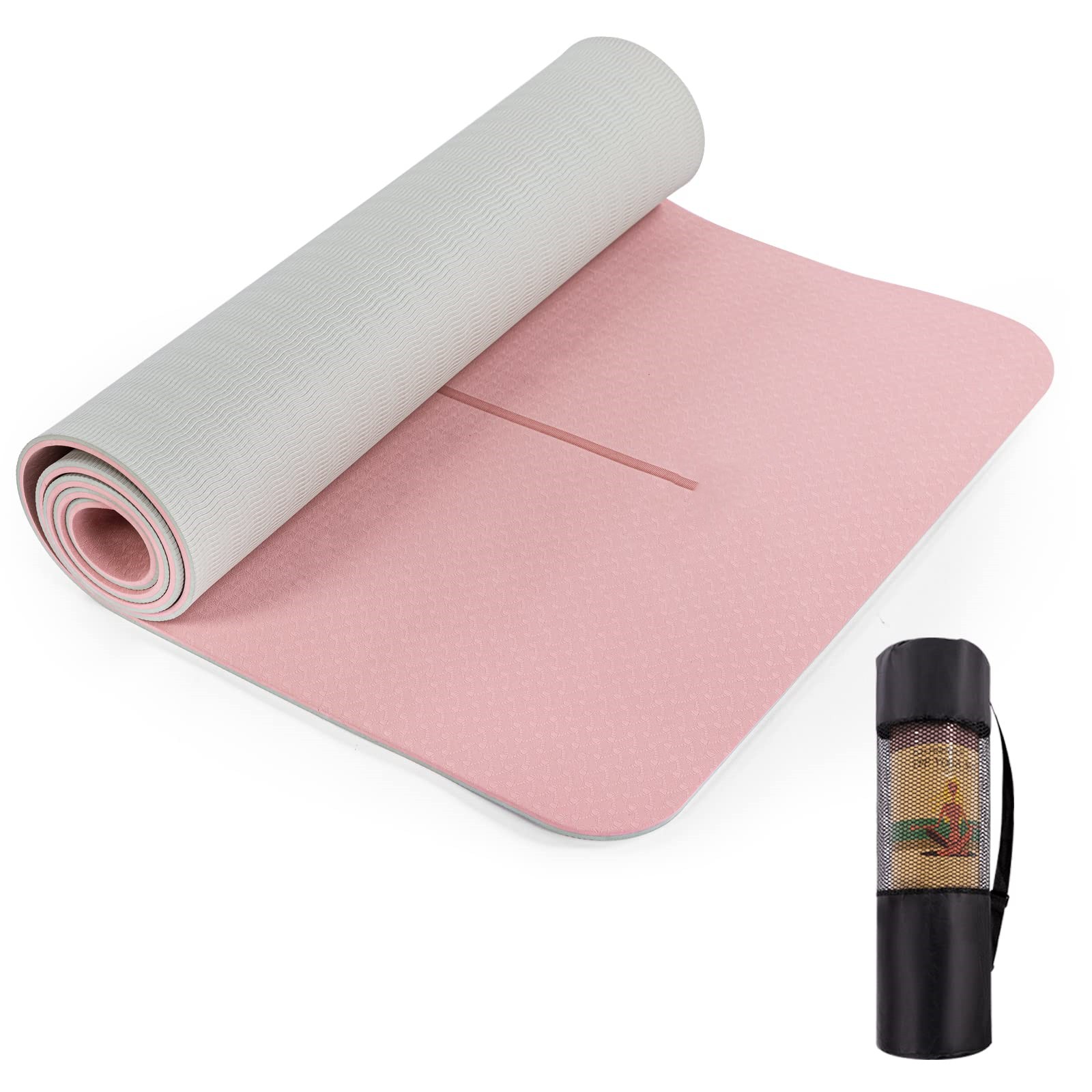
When planning a high-intensity interval training routine, most athletes focus on footwear, resistance tools, and programming. The surface you train on, however, plays a far more significant role than many people realize. A quality yoga mat can directly influence your safety, performance, and recovery during explosive HIIT movements. Understanding whether a yoga mat genuinely benefits this type of training requires a close look at what HIIT demands and what a yoga mat actually delivers.
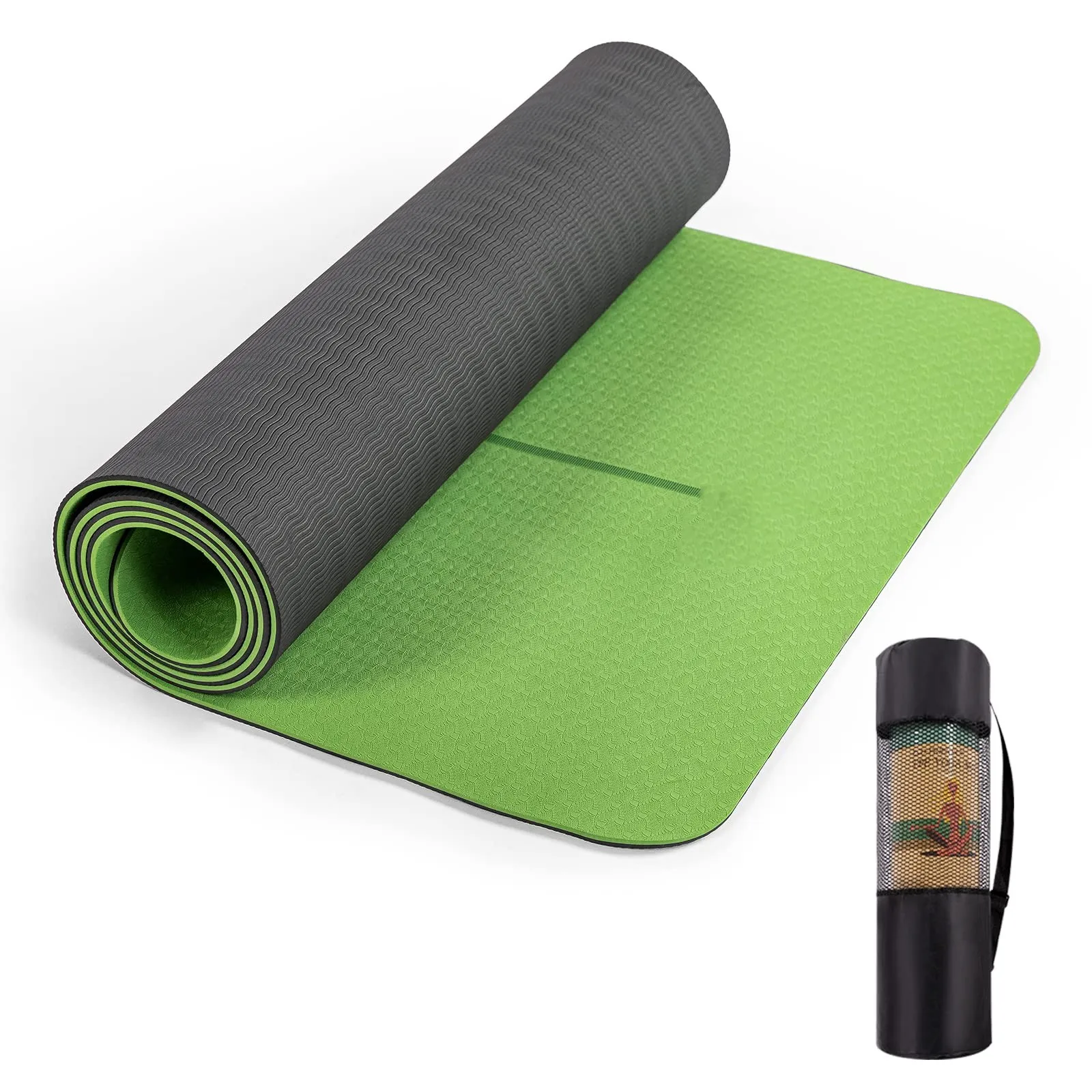
A yoga mat is traditionally associated with slow, controlled movement, stretching, and mindfulness practice. Yet its physical properties, including non-slip texture, cushioned density, and firm rebound, align surprisingly well with the fast-paced, floor-based demands of HIIT. Whether you are performing burpees, mountain climbers, jump squats, or plank holds, a yoga mat provides a stable and supportive platform that bare floors or thin gym mats simply cannot match.
How a Yoga Mat Supports HIIT Movement Patterns
Grip and Stability During Explosive Exercises
One of the most critical factors in HIIT performance is traction. Explosive lateral movements, rapid direction changes, and high-repetition floor work all require a surface that stays firmly in place. A yoga mat with a high-grip, non-slip base prevents dangerous sliding, especially on smooth hardwood or tile floors. Without a reliable yoga mat underfoot, the risk of ankle rolls, knee stress, and falls increases significantly during fast-paced intervals.
The textured top surface of a quality yoga mat also keeps your hands and feet locked in position during push-up variations, downward planks, and agility drills. This traction advantage is not just about safety; it directly improves the quality of each repetition by keeping your body in correct alignment throughout the movement.
Cushioning and Joint Protection
HIIT sessions place repeated impact stress on knees, wrists, hips, and the spine. A yoga mat with adequate thickness, typically 5 to 6 millimeters, absorbs a meaningful portion of this impact. When performing jump landings, floor transitions, or kneeling exercises on a hard surface, the cushioning provided by a yoga mat reduces cumulative joint load. Over time, this protection can help prevent overuse injuries that are common in frequent HIIT trainees.
A well-constructed yoga mat maintains its cushioning properties even under sustained load, meaning it does not compress flat after a few weeks of regular use. Materials such as TPE, or thermoplastic elastomer, offer a balance of firmness and shock absorption that supports both yoga practice and the high-demand nature of interval training. The yoga mat you choose for HIIT should prioritize this balance rather than opting for overly soft foam that collapses under bodyweight.
Choosing the Right Yoga Mat for HIIT Training
Thickness and Density Considerations
Not every yoga mat performs equally well under HIIT conditions. Thinner yoga mat options, around 3 millimeters or less, are designed for balance-focused yoga where floor contact sensitivity is important. For HIIT, a thicker yoga mat in the range of 5 to 6 millimeters provides the necessary cushioning without sacrificing the stability required for standing and jumping movements. Density matters as much as thickness; a dense yoga mat resists compression and maintains its protective properties through high-rep sessions.
A yoga mat that is too soft may actually hinder HIIT performance by creating instability during plyometric work. When you land a jump squat on a yoga mat that sinks excessively, your ankle stabilizers must compensate, increasing fatigue and injury risk. Choosing a yoga mat with a firm yet forgiving feel ensures that your energy is directed into the movement, not absorbed wastefully by an unstable surface.
Material and Durability for Repeated Use
The material of your yoga mat determines how long it performs reliably and how well it handles sweat during intense sessions. TPE yoga mat options are popular for HIIT because they resist moisture absorption, making them easier to clean and less likely to develop odors. A TPE yoga mat is also lightweight, making it practical for home gym setups where storage and portability matter.
Rubber yoga mat options provide excellent grip and durability but tend to be heavier. PVC yoga mat versions are widely available and affordable, though they vary significantly in quality. For HIIT practitioners who train several times per week, investing in a durable, high-quality yoga mat pays off through consistent performance and longevity. A yoga mat that degrades quickly forces you to replace it often, adding unnecessary cost and disrupting your training setup.
Practical Benefits of Using a Yoga Mat in Your HIIT Routine
Defining Your Training Zone
Beyond its physical properties, a yoga mat serves as a practical boundary for your workout space. During a HIIT session at home or in a shared gym, your yoga mat defines a clear zone for all floor-based movements. This spatial awareness helps maintain consistent positioning between exercises and reduces the chance of colliding with furniture or other gym users. A yoga mat creates a dedicated, familiar surface that mentally anchors your workout.
Using the same yoga mat consistently also supports habit formation. Athletes who set up their yoga mat before each session tend to transition more smoothly into the workout mindset, improving focus and reducing warm-up hesitation. This behavioral benefit, though subtle, adds real value to a structured HIIT program.
Floor and Equipment Protection
A yoga mat also protects the floor beneath it during jumping and landing sequences. Hardwood floors and laminate surfaces can be scratched or dented by repeated impact without a protective layer. Placing a yoga mat beneath your training area prevents this damage while also reducing noise transmission, which is particularly valuable in apartment settings. A yoga mat acts as a two-way barrier, protecting both your body and your environment simultaneously.
FAQ
Can I use any yoga mat for HIIT, or do I need a special one?
Most standard yoga mat options can work for HIIT, but the best results come from a yoga mat that is at least 5 millimeters thick, has a non-slip surface on both sides, and is made from a dense, durable material such as TPE or natural rubber. A yoga mat designed specifically for high-intensity use will outperform a thin, lightweight yoga mat intended only for stretching.
How often should I replace my yoga mat if I use it for HIIT daily?
A high-quality yoga mat used daily for HIIT typically lasts between one and three years, depending on the material and care routine. Signs that your yoga mat needs replacement include surface peeling, visible compression in high-contact areas, or loss of grip. Cleaning your yoga mat regularly after sweaty sessions extends its lifespan considerably.
Is a yoga mat better than a gym floor mat for HIIT?
A yoga mat and a gym floor mat serve overlapping purposes, but a yoga mat generally offers better grip consistency and more portable convenience. Thick interlocking gym floor mats may provide more coverage for large spaces, but for individual HIIT workouts, a yoga mat delivers the right combination of traction, cushioning, and portability that most home and studio trainees need.