 EN
EN


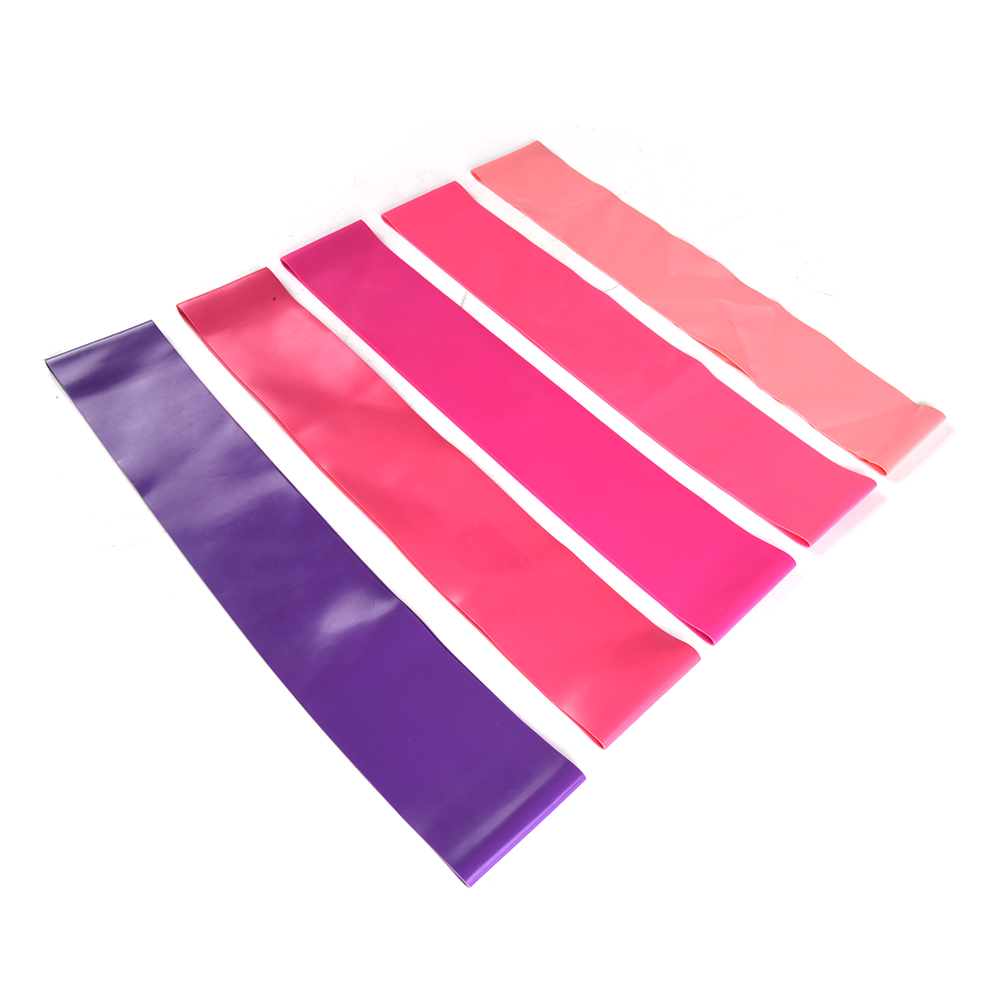
The mini loop band has become one of the most practical and adaptable tools in modern fitness training. Whether you are a beginner building foundational strength or an experienced athlete refining movement patterns, the mini loop band fits naturally into a wide range of training goals. Its compact form and adjustable resistance levels make it a genuine asset for anyone looking to expand what their workout routine can deliver.
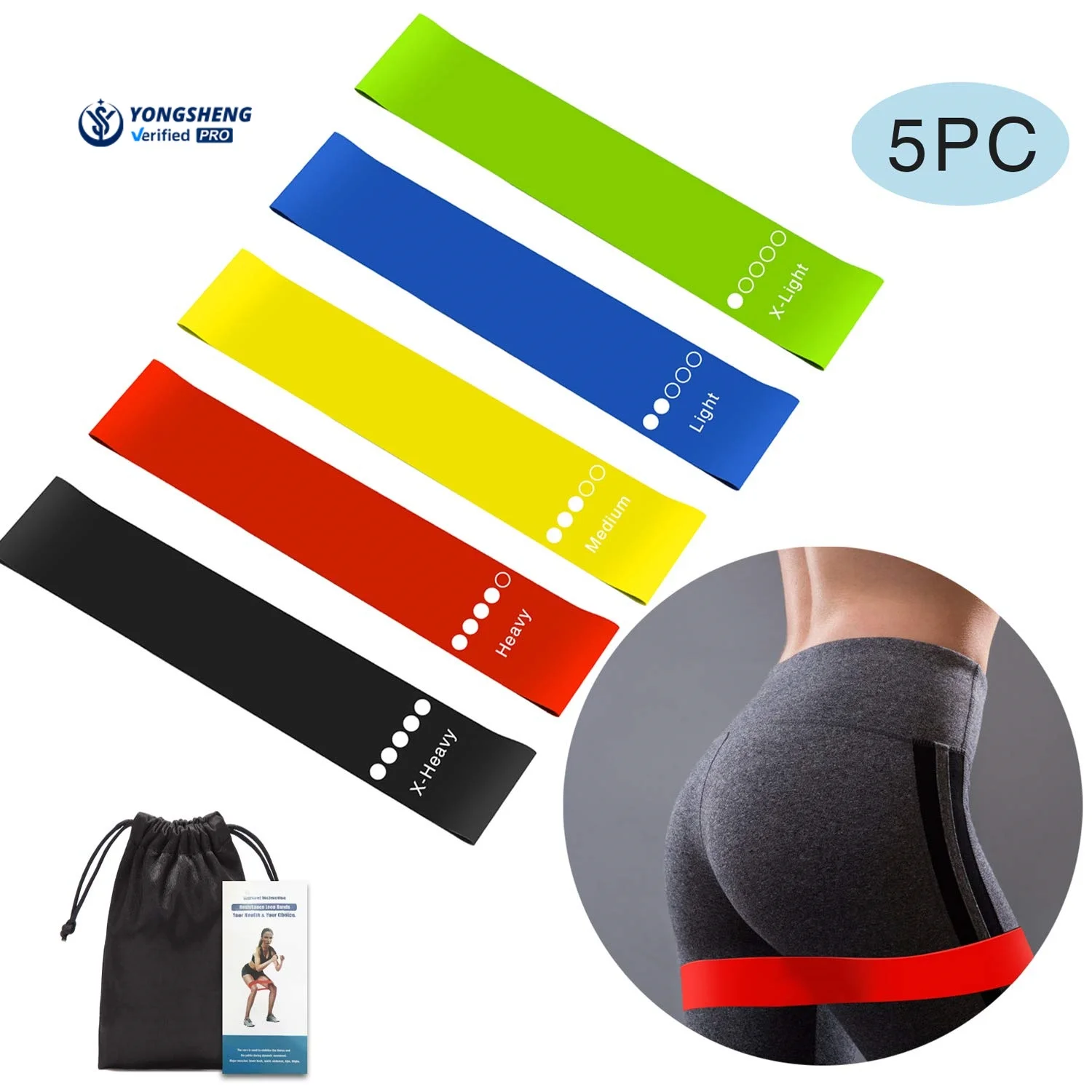
Workout versatility is not just about doing many different exercises. It is about being able to train different muscle groups, at different intensities, in different environments, without requiring a gym full of equipment. The mini loop band achieves this by offering scalable resistance in a portable format. This article explores how the mini loop band improves workout versatility across lower body training, upper body conditioning, mobility work, and rehabilitation, and why it belongs in every serious training kit.
Lower Body Activation and Strength Development
Targeting Glutes, Hips, and Thighs
One of the primary reasons the mini loop band improves workout versatility is its effectiveness for lower body training. Placing a mini loop band just above the knees during squats, lunges, or lateral walks forces the hip abductors and glute muscles to engage more actively. This added resistance from the mini loop band increases muscle recruitment without requiring heavy weights or complex machines. For anyone training at home or in a small space, this makes a significant difference in training quality.
The mini loop band also enhances single-leg exercises such as glute bridges and step-ups. By anchoring around the thighs or ankles, the mini loop band adds tension through the full range of motion, ensuring the stabilizing muscles work alongside the primary movers. This dual engagement is one of the core reasons the mini loop band dramatically expands what a lower body session can achieve.
Progressive Resistance for All Fitness Levels
A quality mini loop band set typically includes multiple resistance levels, allowing users to progress over time. A lighter mini loop band suits warm-up routines and mobility drills, while a heavier mini loop band challenges experienced lifters during compound movements. This built-in progression means the mini loop band remains useful as fitness levels improve, which is a key factor in long-term workout versatility. Trainers and coaches frequently use a mini loop band to tailor session difficulty without adding complex equipment setups.
Upper Body Conditioning and Functional Movement
Shoulder Stability and Rotator Cuff Work
The mini loop band is equally effective for upper body training, particularly when targeting shoulder stability and rotator cuff strength. Exercises such as external rotations, band pull-aparts, and overhead press variations all benefit from mini loop band resistance. Because the mini loop band provides continuous tension throughout each movement, the stabilizing muscles around the shoulder joint must work consistently. This makes the mini loop band an excellent tool for both injury prevention and performance improvement in pushing and pulling movements.
Athletes in sports that involve overhead movements, throwing, or racquet use often include mini loop band exercises in their conditioning programs. The mini loop band improves shoulder endurance by training the smaller muscles that larger free weights often overlook. Incorporating a mini loop band into upper body warm-ups also prepares the joints for heavier loading later in the session.
Core Integration and Full-Body Circuits
The mini loop band supports full-body circuit training by adding resistance to core exercises such as dead bugs, bird dogs, and mountain climbers. When a mini loop band is placed around the wrists or ankles during these movements, the core must stabilize against rotational and lateral forces. This challenge improves functional strength and increases training density without requiring additional equipment. A single mini loop band can turn a standard bodyweight circuit into a demanding full-body conditioning session, which directly supports workout versatility.
Mobility, Stretching, and Rehabilitation Applications
Assisted Stretching and Joint Mobility
Beyond strength training, the mini loop band improves workout versatility by supporting mobility and stretching routines. Looping a mini loop band around the foot during hamstring stretches or hip flexor openers creates gentle, controllable assistance. This allows users to ease into deeper ranges of motion without straining. Yoga practitioners and physiotherapists regularly use the mini loop band as a stretching aid because it provides feedback and support simultaneously. Adding a mini loop band to a mobility session transforms static stretching into a more dynamic and effective practice.
Rehabilitation and Low-Impact Conditioning
The mini loop band plays an important role in rehabilitation programs for knee, hip, and lower back conditions. Because the mini loop band offers light to moderate resistance, it is safe for individuals recovering from injury who cannot yet handle heavy loads. Physiotherapists often prescribe mini loop band exercises to rebuild muscle activation patterns and joint stability during early-stage recovery. The gentle tension of a mini loop band allows precise control over movement, reducing the risk of re-injury while still providing enough stimulus to promote recovery.
For older adults or those returning to exercise after a break, the mini loop band provides a safe entry point into resistance training. The mini loop band supports gradual load progression, which is essential for rebuilding strength safely. This makes the mini loop band a versatile tool not just for athletes but for a broad population with varied fitness needs and physical conditions.
FAQ
How many resistance levels should a mini loop band set include?
A standard mini loop band set typically includes five resistance levels, ranging from extra light to extra heavy. This range ensures the mini loop band remains useful across warm-up, rehabilitation, strength training, and advanced conditioning. Having multiple options allows users to match the mini loop band resistance to the specific demands of each exercise and their current fitness level.
Can a mini loop band replace free weights in a workout?
A mini loop band can replace free weights for many exercises, particularly those targeting the lower body, shoulders, and core. While the mini loop band does not replicate the maximum load of heavy barbells, it provides continuous tension that free weights cannot. For home workouts, travel training, or supplementary conditioning, the mini loop band is an effective and practical alternative that supports a wide range of training goals.
How should a mini loop band be maintained to extend its lifespan?
To extend the lifespan of a mini loop band, store it away from direct sunlight and extreme heat, as latex degrades under prolonged UV exposure. After use, wipe the mini loop band clean with a damp cloth and allow it to dry before storing. Avoid overstretching the mini loop band beyond its designed range, as this can cause micro-tears in the material. Proper care ensures the mini loop band retains its elasticity and resistance accuracy over time.