 EN
EN


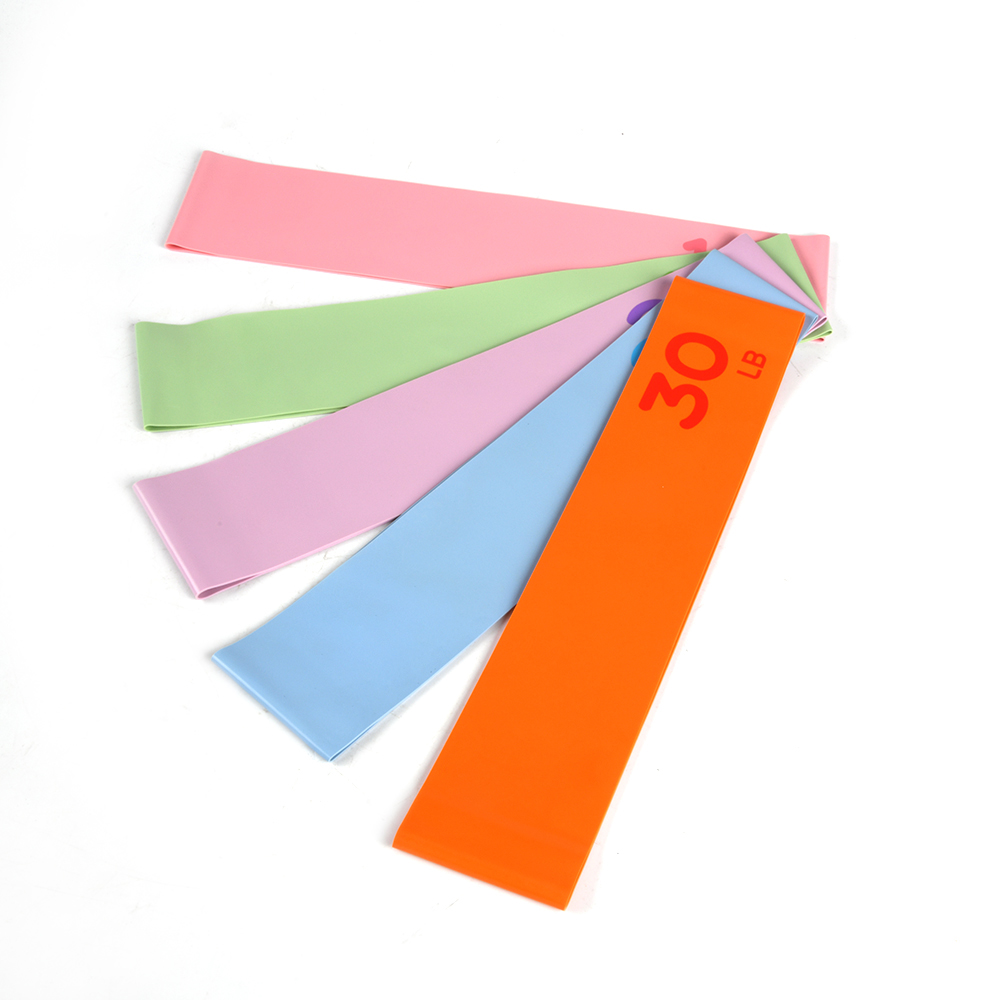
Fitness studios are always searching for tools that deliver measurable results without overwhelming their floor space or budget. The mini loop band has become one of the most consistently chosen tools in group fitness settings, and for very good reason. Whether a studio runs yoga-fusion classes, HIIT sessions, or targeted strength circuits, the mini loop band fits naturally into nearly every format. Understanding why instructors keep reaching for this small but powerful tool reveals a great deal about what makes modern fitness programming effective.
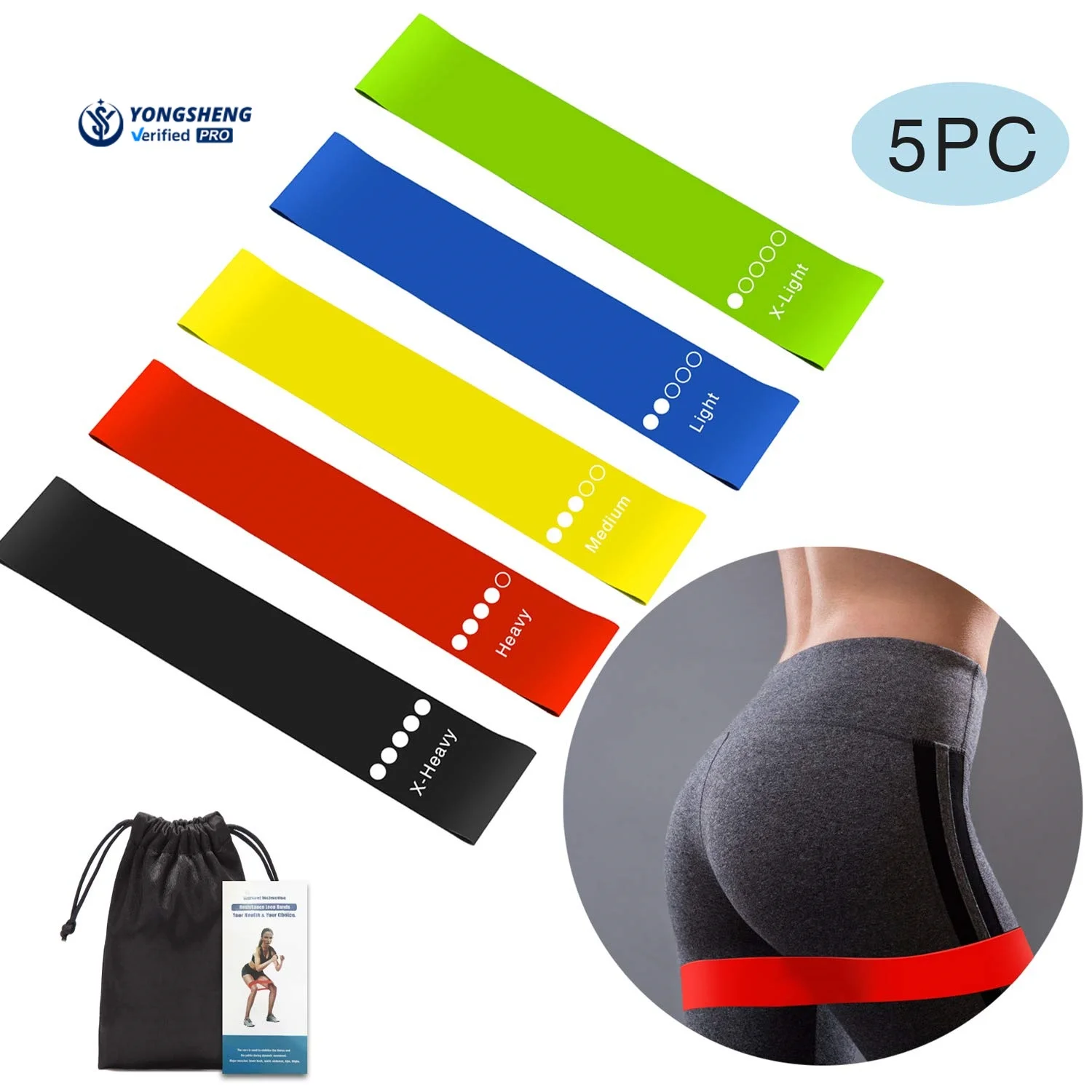
The mini loop band is a compact, closed-loop resistance band typically made from latex or fabric. Its circular design makes it easy to position around the ankles, knees, thighs, or wrists, allowing it to target specific muscle groups with precision. Studios that incorporate the mini loop band into their programming consistently report higher client engagement, improved muscle activation, and greater exercise variety within a single class. These outcomes explain the growing popularity of the mini loop band across fitness formats worldwide.
Versatility That Enhances Every Class Format
Adapting the Mini Loop Band Across Workout Styles
One of the primary reasons fitness studios include the mini loop band in classes is its remarkable versatility. A single mini loop band can be used during warm-up sequences, strength circuits, mobility work, and cool-down routines. Instructors do not need to restructure their entire class plan to accommodate the mini loop band — it integrates seamlessly into movements already present in the session. From glute bridges and clamshells to lateral walks and shoulder activation drills, the mini loop band enhances familiar exercises without requiring new equipment setups.
Studios offering diverse class types benefit especially from the mini loop band because the same tool works across yoga, Pilates, HIIT, and barre formats. A barre instructor can use the mini loop band around the thighs to intensify small isometric movements, while a HIIT coach can add the mini loop band to squat variations to increase lower-body resistance. This cross-format compatibility reduces equipment costs and simplifies inventory management for studio owners who want consistent value from every purchase.
Scalability for Mixed-Ability Groups
Group fitness classes often include participants at very different fitness levels, which creates a programming challenge for instructors. The mini loop band solves this problem elegantly because it is available in multiple resistance levels. Studios typically stock light, medium, and heavy versions of the mini loop band, allowing beginners to start with a lighter resistance while advanced participants use a heavier mini loop band during the same exercise. This built-in scalability means that one class design can serve a wide range of clients simultaneously, increasing studio efficiency and member satisfaction.
Superior Muscle Activation and Training Benefits
Targeting Underworked Muscle Groups
Fitness professionals consistently highlight the mini loop band as an exceptional tool for activating muscles that are frequently underused in standard training routines. The glutes, hip abductors, and external rotators are notoriously difficult to engage with bodyweight exercises alone. Placing a mini loop band around the knees or ankles during squats, side steps, or hip extensions creates continuous lateral tension that forces these muscles to engage more fully. Studios that prioritize functional movement and injury prevention find the mini loop band indispensable for this reason.
Research in exercise science supports the idea that added resistance at key joint positions increases electromyographic activity in target muscles. When a mini loop band is placed above the knees during a glute bridge, for example, the hip abductors must work against the band's resistance throughout the entire movement. This increased activation translates into better muscle recruitment, more effective training adaptations, and faster visible results for clients. Instructors who understand this mechanism use the mini loop band strategically to accelerate client progress.
Supporting Rehabilitation and Low-Impact Training
Many fitness studio clients are managing past injuries or seeking low-impact alternatives to heavy free-weight training. The mini loop band provides gentle but effective resistance that supports joint-friendly movement patterns. Physical therapists frequently recommend mini loop band exercises during rehabilitation because the controlled resistance allows clients to rebuild strength without stressing vulnerable joints. Studios that cater to older adults or post-rehabilitation clients find that programming built around the mini loop band delivers excellent outcomes while maintaining client safety and comfort throughout every session.
Business and Programming Value for Studios
Cost-Effective Equipment With High Return
Studio owners face constant pressure to deliver premium experiences while managing equipment costs carefully. The mini loop band represents outstanding value in this context. A full set of mini loop bands costs significantly less than dumbbells, kettlebells, or cable machines, yet delivers comparable training benefits for many exercise categories. Because the mini loop band is lightweight and durable, it withstands high-frequency use across multiple classes each day without rapid deterioration. Studios can equip an entire group class with mini loop bands at a fraction of the cost of other resistance tools.
Enhancing Client Retention Through Variety
Client retention is one of the most critical metrics for any fitness studio. When clients experience consistent variety and visible progress, they are far more likely to maintain their memberships long-term. The mini loop band contributes directly to both goals. By introducing the mini loop band into class rotations, instructors keep programming fresh and mentally engaging. Clients who regularly use the mini loop band begin to associate their studio with results-oriented, thoughtful programming. This positive association strengthens loyalty and encourages word-of-mouth referrals, which are vital for sustainable studio growth.
FAQ
What resistance levels of mini loop band should a studio stock?
Most studios benefit from stocking at least three resistance levels of mini loop band: light, medium, and heavy. This range allows instructors to accommodate beginners, intermediate participants, and advanced clients within the same class. A light mini loop band suits warm-ups and rehabilitation movements, a medium mini loop band works well for general strength exercises, and a heavy mini loop band challenges experienced athletes during compound movements. Offering this variety ensures that every client can train effectively with the appropriate mini loop band for their current fitness level.
How often should instructors incorporate the mini loop band into class programming?
Instructors can incorporate the mini loop band into classes two to four times per week without causing fatigue or overuse issues. Because the mini loop band provides resistance rather than heavy load, the recovery demand is relatively low. Many studios include at least one dedicated mini loop band circuit per class session, while others use the mini loop band as a warm-up activation tool before heavier movements. The key is to vary how the mini loop band is used across sessions so that clients continue to experience new movement challenges and consistent muscle activation benefits.
Is the mini loop band suitable for all age groups in studio classes?
Yes, the mini loop band is one of the most age-inclusive tools available for group fitness settings. Younger clients benefit from the mini loop band during athletic conditioning and strength development work, while older adults find the mini loop band ideal for gentle resistance training, balance improvement, and joint mobility exercises. Because resistance levels are adjustable simply by selecting a different mini loop band, instructors can customize the challenge for seniors and younger participants within the same session. This makes the mini loop band a genuinely universal fitness tool for studio use.