 EN
EN


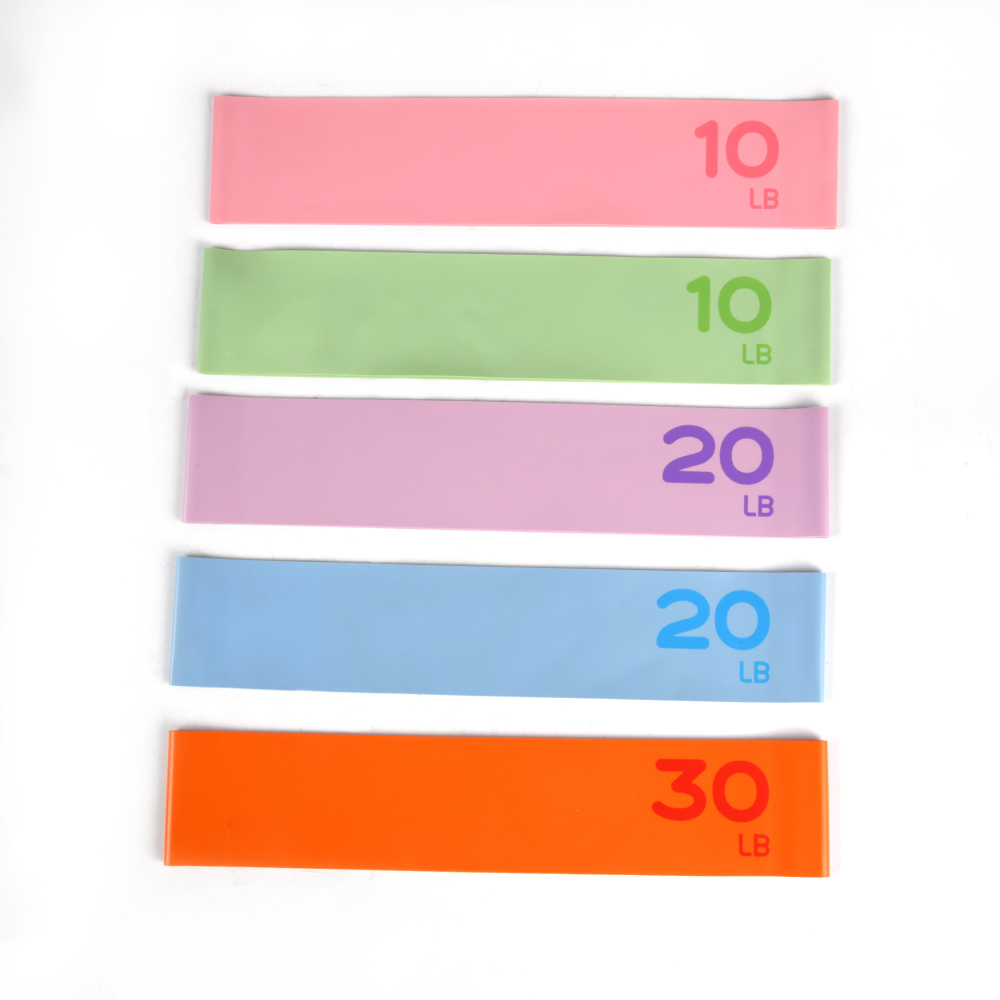
When it comes to achieving personalized fitness outcomes, few tools match the flexibility and precision of the mini loop band. Whether your goal is to build glute strength, improve hip stability, support injury rehabilitation, or add targeted resistance to existing workouts, the mini loop band adapts to your specific needs with remarkable ease. Unlike bulky machines or fixed-weight equipment, this compact tool lets you define the intensity, direction, and muscle focus of every movement.
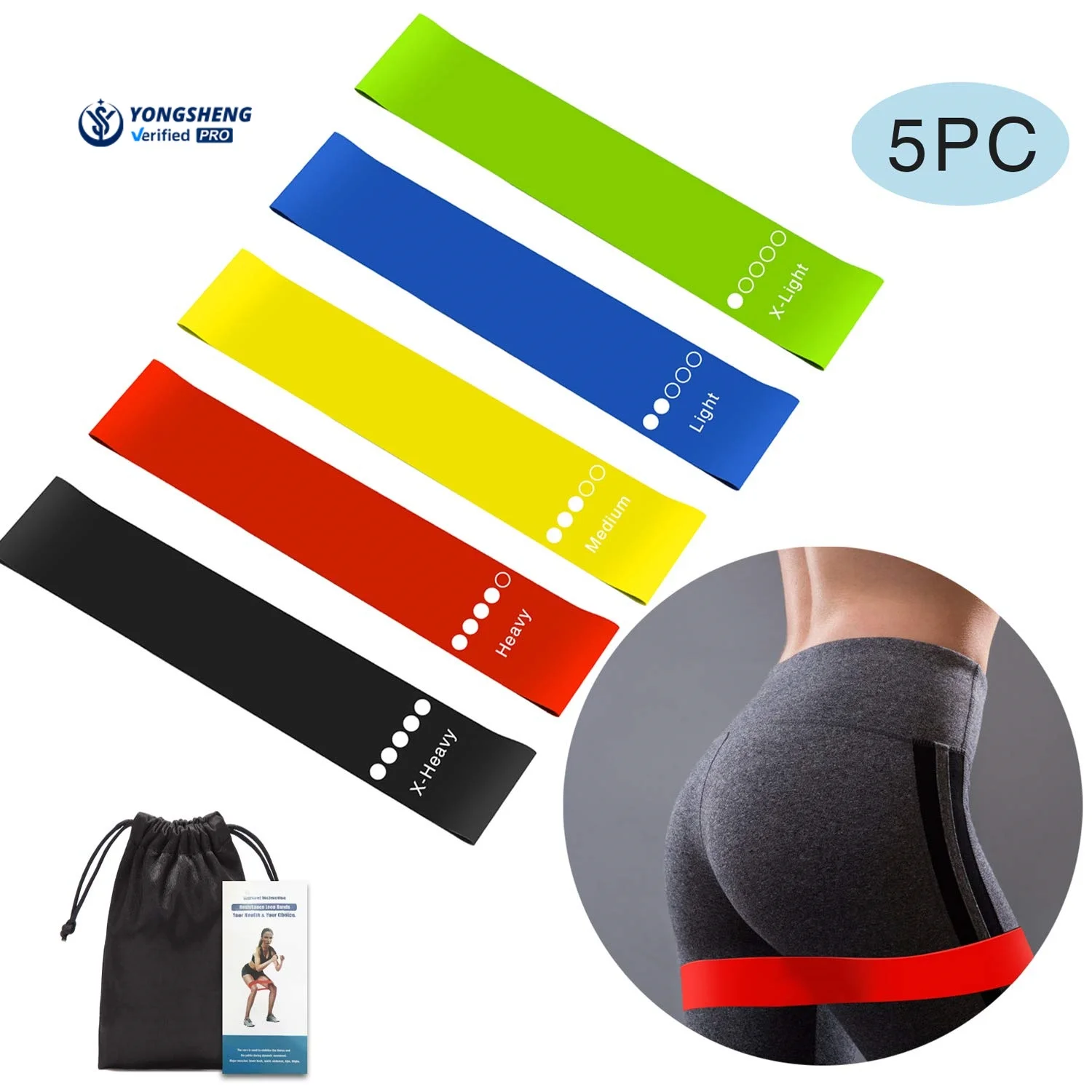
The mini loop band has earned its place in both professional training environments and home gym setups precisely because it supports highly individualized programming. By varying resistance levels, placement, and exercise selection, each user can design a training routine that reflects their unique body, goals, and limitations. This article explores exactly how that customization works and why it matters for real-world fitness progress.
How Resistance Levels Enable Goal-Specific Training
Matching Band Tension to Training Intensity
One of the primary ways a mini loop band supports customized goals is through resistance selection. Most mini loop band sets include multiple tension levels, typically ranging from light to extra heavy. A beginner focusing on muscle activation or mobility can start with a light mini loop band to learn movement patterns without overloading joints. An advanced athlete using a mini loop band for strength conditioning can select a heavier resistance to challenge the glutes, hips, or shoulders more aggressively.
This tiered resistance system means a single mini loop band set can serve multiple users with completely different goals. A physical therapy patient using a mini loop band for hip abductor recovery needs far less tension than a sprinter using the same mini loop band to build explosive lateral power. The ability to choose the right resistance ensures that each person works within the correct load range for their specific outcome, which is the foundation of effective, goal-driven training.
Progressive Overload Through Band Progression
Customized fitness goals also require progressive overload, which means gradually increasing difficulty over time. The mini loop band supports this principle naturally. As a user grows stronger, they can move to a heavier mini loop band to maintain the challenge. This progression can be applied to glute bridges, clamshells, squats, lateral walks, and many other movements where a mini loop band adds targeted resistance. Structured progression ensures that the body continues to adapt rather than plateau, which is essential for long-term goal achievement.
Targeted Muscle Activation and Movement Customization
Directing Resistance to Specific Muscle Groups
The mini loop band is uniquely effective at isolating and activating specific muscle groups that are often difficult to engage with traditional weights. By placing a mini loop band around the thighs, knees, ankles, or wrists, a user can create resistance in the exact direction needed to challenge a target muscle. This placement flexibility is what makes the mini loop band such a powerful tool for customization. Someone focused on glute development places the mini loop band just above the knees during squats and lateral movements. Someone working on shoulder stability positions the mini loop band around the wrists during pressing exercises.
This level of control is difficult to achieve with machines, which typically lock movement into a fixed path. The mini loop band, by contrast, allows movement in multiple planes, which mirrors real athletic and functional demands. A runner using a mini loop band to strengthen hip abductors gains stability that directly transfers to their sport. A desk worker using a mini loop band to activate glutes during hip thrusts addresses postural imbalances caused by prolonged sitting. Each use case is different, and the mini loop band accommodates all of them.
Supporting Rehabilitation and Corrective Exercise Goals
For individuals with injury histories or corrective exercise needs, the mini loop band offers a low-impact way to rebuild strength and movement quality. The gentle but consistent resistance of a light mini loop band allows users to work through controlled ranges of motion without placing excessive stress on joints or connective tissues. Physical therapists frequently incorporate the mini loop band into protocols for knee, hip, and shoulder rehabilitation because it enables isolated muscle recruitment at safe load levels. When used consistently, the mini loop band helps restore neuromuscular control, which is often the missing piece in full functional recovery.
Versatility Across Environments and Training Styles
Adapting to Home, Gym, and Travel Workouts
Customized fitness goals do not disappear when gym access is limited. The mini loop band solves this problem by being lightweight, compact, and highly portable. A complete mini loop band set can be packed in a small bag and used anywhere, from a hotel room to an outdoor park. This portability means that individuals can maintain training consistency regardless of location, which is critical for achieving long-term goals. Whether someone is doing a full lower-body mini loop band session at home or adding a mini loop band warm-up routine before lifting at the gym, the tool integrates seamlessly into any environment.
Combining the Mini Loop Band with Other Training Methods
The mini loop band also works exceptionally well when combined with other training methods. It can be used as a warm-up tool before barbell squats to pre-activate the glutes, making heavy compound lifts more effective. It can serve as a finisher after a cardio session to add muscle-specific fatigue. For yoga or Pilates practitioners, the mini loop band introduces resistance into bodyweight movements, intensifying the challenge without changing the nature of the practice. This compatibility with diverse training styles means the mini loop band can be integrated into virtually any existing fitness program without disruption. The mini loop band becomes a supporting element that enhances, rather than replaces, what is already working for the individual.
FAQ
How many resistance levels should a mini loop band set include?
A good mini loop band set typically includes five resistance levels, ranging from light to extra heavy. This range allows users at different fitness levels to find the appropriate tension for their current goals and progress through heavier mini loop band options as they build strength over time.
Can a mini loop band replace free weights for strength training?
A mini loop band is not a direct replacement for free weights in maximal strength training, but it serves a complementary role. The mini loop band excels at muscle activation, isolation, and corrective work that free weights cannot easily replicate. Many athletes use a mini loop band alongside traditional equipment to achieve more balanced and complete training outcomes.
How often should I use a mini loop band in my training routine?
The frequency of mini loop band use depends on your specific goals. For activation and warm-up purposes, using a mini loop band before every session is beneficial. For targeted strengthening or rehabilitation, incorporating the mini loop band three to five times per week is generally effective. Because the mini loop band places less stress on joints than heavy weights, it can be used more frequently without significant recovery concerns.