 EN
EN


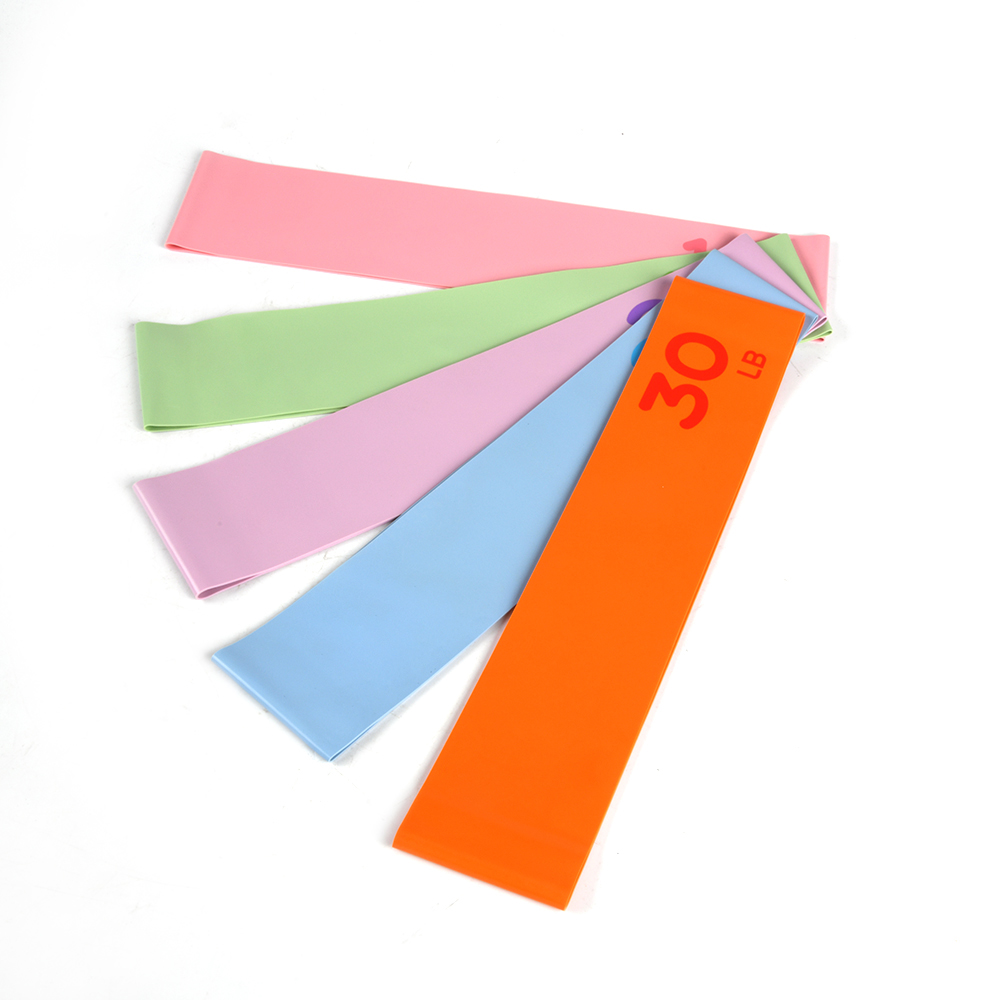
Physical therapists are selective about the tools they bring into clinical practice and home rehabilitation programs. Among the many resistance training options available, the mini loop band has earned a consistent place in professional PT recommendations. Its compact design, progressive resistance levels, and versatility across movement patterns make it a practical choice for patients recovering from injury, building functional strength, or improving joint stability.
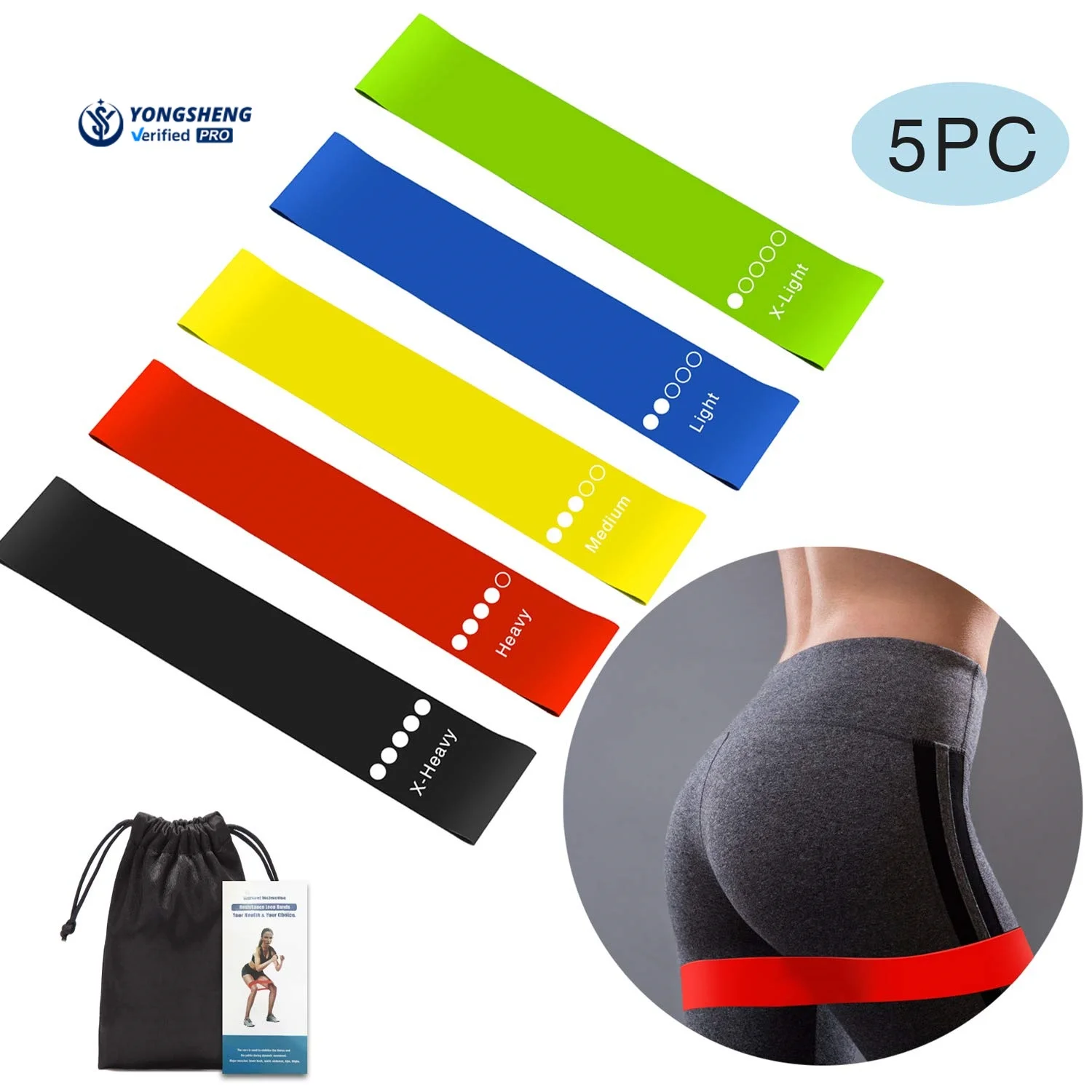
Understanding why the mini loop band is favored in physical therapy requires looking beyond its simple appearance. This small latex band delivers controlled resistance that supports neuromuscular re-education, hip stabilization, glute activation, and lower limb strengthening — all critical components of modern rehabilitation protocols. Whether used in a clinical setting or prescribed for home exercise, the mini loop band consistently meets the demands of evidence-informed PT practice.
The Rehabilitation Value of the Mini Loop Band
Controlled Resistance for Safe Recovery
One of the primary reasons physical therapists favor the mini loop band is the ability to apply controlled, graduated resistance without overloading injured tissues. During early-stage rehabilitation, joints and muscles require gentle progressive loading to restore function. The mini loop band provides exactly that — resistance that challenges the neuromuscular system without placing excessive mechanical stress on recovering structures. This makes the mini loop band especially useful after knee surgeries, hip replacements, and lower back injuries.
Physical therapists also appreciate that the mini loop band allows patients to self-manage resistance levels. A standard set includes multiple bands in light, medium, and heavy resistance, enabling therapists to prescribe a progression plan that patients can follow independently. This supports compliance with home exercise programs, which is a critical factor in long-term rehabilitation outcomes. The mini loop band bridges the gap between clinical sessions and daily practice.
Hip and Glute Activation Protocols
Hip abductor and glute activation are central to many physical therapy protocols addressing knee pain, IT band syndrome, and lower back dysfunction. The mini loop band is specifically designed to load these muscle groups effectively. Exercises such as clamshells, lateral band walks, and standing hip abductions become significantly more targeted when a mini loop band is placed around the thighs or ankles. Physical therapists rely on the mini loop band to create the resistance cue that teaches patients to engage underactive muscles during movement.
Functional Movement Patterns Supported by the Mini Loop Band
Lower Extremity Stability Training
Lower extremity stability is foundational to safe movement in daily life and sport. Physical therapists use the mini loop band to challenge the stabilizing muscles of the hips, knees, and ankles during functional movement patterns. Squats, lunges, glute bridges, and step-ups performed with a mini loop band force the body to maintain proper alignment under resistance. This training transfers directly to walking, stair climbing, and sport-specific movement, making the mini loop band an indispensable tool in functional rehabilitation.
The feedback provided by the mini loop band during these exercises is also clinically meaningful. When a patient's knees collapse inward during a squat, the tension from the mini loop band immediately signals the need for correction. This proprioceptive cueing effect is one of the reasons physical therapists include the mini loop band in assessment and corrective exercise programming. The band trains the body to self-correct, which accelerates long-term movement quality improvements.
Upper Body and Core Integration
While the mini loop band is most commonly associated with lower body training, physical therapists also incorporate it into upper body and core-integrated exercises. Shoulder external rotation drills, scapular stabilization work, and core activation exercises can all be enhanced using the mini loop band. By placing the mini loop band around the wrists during bear crawl or plank variations, therapists can challenge shoulder stability and thoracic control simultaneously. This versatility means that a single mini loop band can serve multiple therapeutic goals within one session.
Accessibility and Long-Term Patient Compliance
Easy to Use at Home Without Supervision
Physical therapists understand that patient outcomes depend heavily on adherence to home exercise programs. The mini loop band is one of the most practical tools for unsupervised home use. It requires no setup, no anchor point, and no special equipment knowledge. Patients of all ages and fitness levels can use a mini loop band independently after a brief instructional session. The low barrier to use means patients are far more likely to complete their prescribed exercises consistently, which directly improves rehabilitation results.
The portability of the mini loop band also supports active patients who travel frequently or lack access to gym facilities. A mini loop band can be carried in a bag or pocket, ensuring that prescribed exercise routines are never disrupted by environment or location. Physical therapists value this reliability when designing programs for working adults, older adults, and athletes with demanding schedules. The mini loop band removes every common excuse for skipping therapeutic exercise.
Cost-Effective and Durable for Extended Use
From a practical standpoint, the mini loop band is highly cost-effective relative to the range of exercises it supports. Physical therapy practices and patients alike can maintain a full set of mini loop bands at a fraction of the cost of gym equipment. High-quality latex construction ensures that the mini loop band maintains consistent resistance over extended use, which is important for patients who rely on predictable loading during their recovery. Therapists can confidently prescribe the mini loop band knowing it will perform reliably across hundreds of exercise sessions.
FAQ
What resistance level of mini loop band should beginners start with?
Beginners and patients in early rehabilitation should start with a light resistance mini loop band to build proper movement patterns before progressing. Physical therapists typically recommend selecting a resistance level that allows full range of motion with moderate muscle fatigue after 12 to 15 repetitions. A mini loop band set with multiple resistance levels gives users the flexibility to progress at the right pace without risking injury or compensation.
How often should mini loop band exercises be performed for rehabilitation?
Most physical therapy programs recommend performing mini loop band exercises three to five times per week, depending on the patient's condition, goals, and recovery stage. Consistency is more important than intensity in early rehabilitation, and the mini loop band supports frequent training because it produces minimal joint stress. Always follow your physical therapist's specific prescription, as individual programs may vary based on diagnosis and progress.
Can the mini loop band be used for injury prevention as well as recovery?
Yes, the mini loop band is equally effective for injury prevention as it is for rehabilitation. Physical therapists frequently recommend mini loop band warm-up routines before sport or exercise to activate the glutes, hip stabilizers, and lower limb muscles that protect joints during high-impact activity. Regular use of the mini loop band in preventive programs has been shown to reduce the risk of common lower extremity injuries, including ACL strains and IT band syndrome, by improving neuromuscular control and muscular balance.