 EN
EN


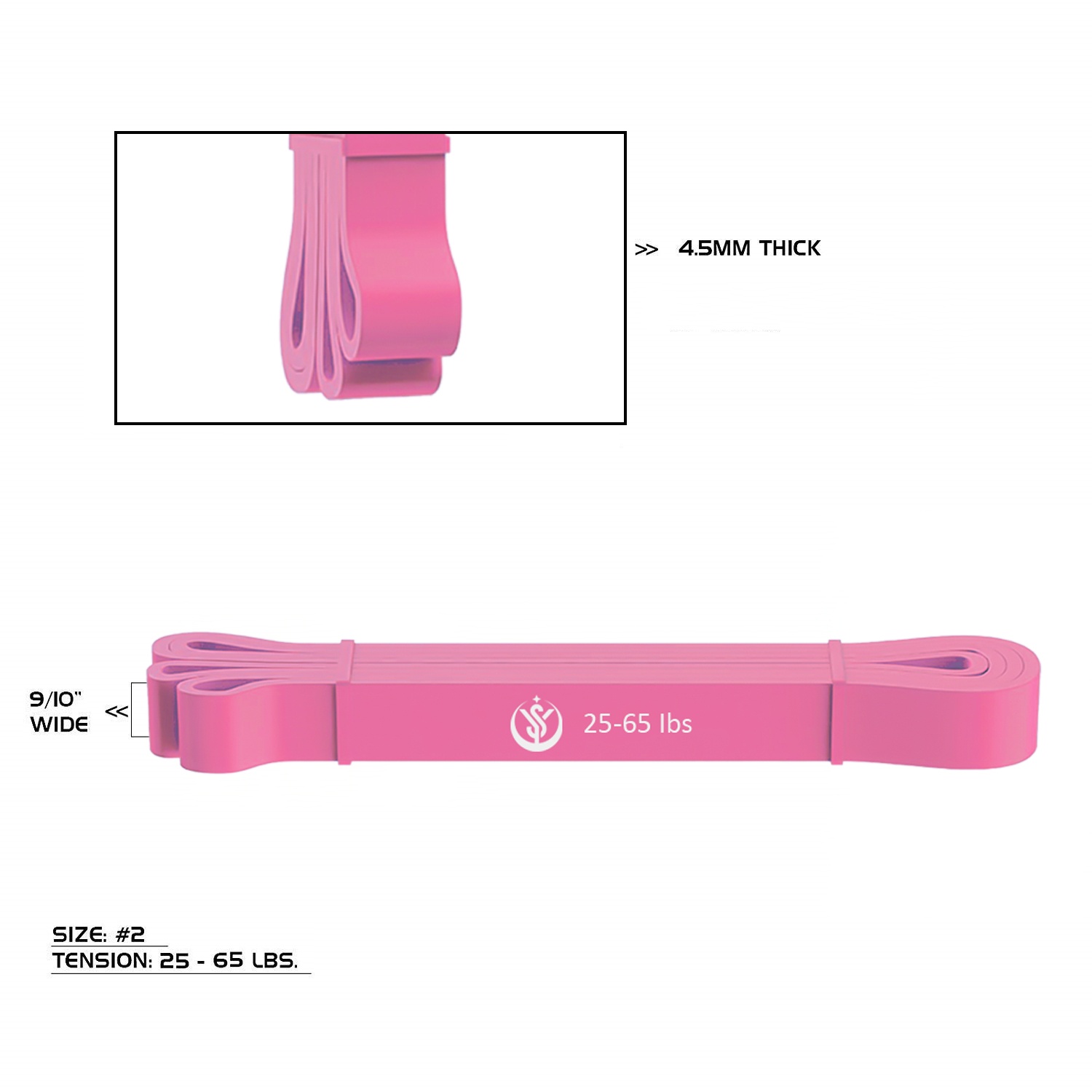
When it comes to building a stronger back, few exercises rival the pull-up in terms of muscle recruitment and functional strength. Yet many athletes and gym-goers struggle to perform enough quality repetitions to actually stimulate back growth. This is exactly where a pull up assist band becomes a game-changer, enabling lifters to train through a full range of motion while maintaining the muscular tension that drives real back development.
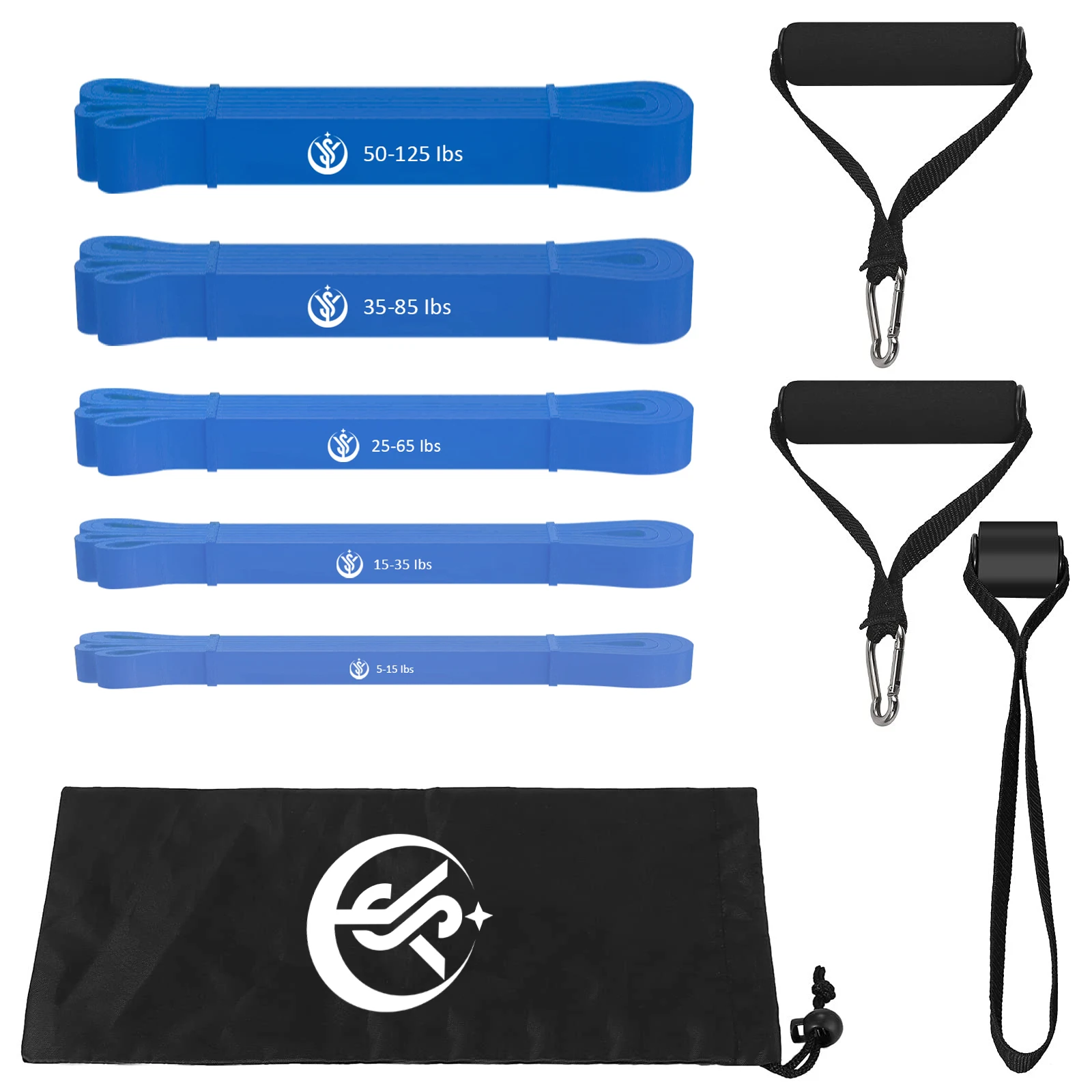
A pull up assist band works by providing variable resistance support at the bottom of the movement, where the back muscles are most stretched and the mechanical disadvantage is greatest. As the lifter ascends, the pull up assist band tension gradually decreases, forcing the muscles to work harder at the top. This elastic assistance model creates a training environment that uniquely supports back muscle activation without removing the muscular challenge entirely. Understanding the biomechanics behind pull up assist band training helps coaches and athletes program it more effectively for back-focused hypertrophy and strength gains.
The Biomechanics of Assisted Pull-Up Movement
How the Pull Up Assist Band Changes Load Distribution
The pull up assist band attaches to the bar and loops under the feet or knees, creating an upward force that offsets a portion of the lifter's bodyweight. This force is highest at the bottom of the movement and diminishes as the band shortens during the ascent. Because back muscle activation typically requires overcoming the greatest load in the stretched position, the pull up assist band strategically reduces that initial load without eliminating it. The result is a smoother, more controlled initiation of the pull, which allows the lats, rhomboids, and lower trapezius to engage properly rather than defaulting to compensatory shoulder or bicep-dominant mechanics.
Without a pull up assist band, many beginners cannot complete a single full-range repetition, which means the back muscles are never trained through their full working arc. The pull up assist band solves this by providing just enough support to complete multiple quality reps, allowing the back musculature to experience consistent time under tension. More time under tension directly correlates with greater muscle fiber recruitment and, ultimately, more effective hypertrophy responses in the back.
Scapular Mechanics and the Role of Elastic Assistance
Proper scapular movement is essential for effective back activation during any pulling exercise. When using a pull up assist band, the reduced load allows the lifter to focus on initiating the movement by depressing and retracting the scapulae before the arms pull. This scapular-first approach is a hallmark of proper pull-up technique and leads to far superior lat and mid-back engagement. The pull up assist band essentially gives the lifter the margin needed to focus on this technique detail without failing mid-rep due to insufficient strength.
Training Volume and Progressive Overload with Assist Bands
Building Volume to Stimulate Back Muscle Growth
Back muscle growth responds strongly to training volume, meaning the total number of quality sets and reps performed per session matters significantly. A pull up assist band allows athletes to increase their pull-up volume substantially by reducing fatigue-driven failure. Rather than completing one or two unassisted reps and stopping, a lifter using a pull up assist band can perform four to six sets of eight to twelve repetitions, creating the kind of volume that genuinely taxes the lats, teres major, and posterior deltoids. This volume-driven stimulus is one of the primary reasons pull up assist band training translates into measurable back muscle development over time.
Coaches who program pull up assist band sets alongside other back movements, such as cable rows or face pulls, report that athletes develop more balanced back musculature compared to those who avoid pull-ups entirely due to lack of strength. The pull up assist band essentially bridges the gap between where an athlete currently is and where their back training needs to be for optimal stimulus.
Progressive Reduction as a Strength Progression Tool
One of the most practical benefits of using a pull up assist band is the ability to systematically reduce assistance as strength improves. Most pull up assist band sets are available in multiple resistance levels, allowing athletes to move from a heavier band to progressively lighter ones as their back strength develops. This progressive reduction strategy ensures the back muscles face increasing demands over time, which is the foundation of any effective strength program. Each time a lighter pull up assist band is selected, the back must generate more force to complete the same repetitions, reinforcing strength and hypertrophy gains in a structured, measurable way.
Muscle Activation Patterns During Assisted Pull-Ups
Primary Back Muscles Recruited by Assisted Pull-Ups
The pull up assist band supports, but does not replace, the muscular effort required during the exercise. The latissimus dorsi remains the primary mover throughout the pull, responsible for shoulder adduction and extension during the pulling phase. The pull up assist band helps maintain proper loading on the lats even when fatigue sets in, meaning the lat activation remains consistent across all sets rather than dropping off as the athlete tires. The teres major, which works closely with the lats, also benefits from this sustained activation, contributing to the broad, V-shaped back development many athletes target.
Secondary muscles including the rhomboids, middle and lower trapezius, and rear deltoids all receive meaningful activation during pull up assist band training, particularly when proper scapular technique is emphasized. The pull up assist band allows these often-undertrained muscles to be worked through a full range of motion without the exercise breaking down due to primary mover fatigue. This comprehensive muscle recruitment is what makes pull up assist band training genuinely effective for overall back development rather than just partial muscle stimulation.
Avoiding Compensation Patterns with Band Support
Without adequate strength, many lifters develop compensation patterns during pull-ups, such as excessive neck craning, elbow flaring, or lumbar hyperextension, which shift load away from the back and onto smaller, less suitable muscles. A pull up assist band reduces the likelihood of these compensations by keeping the movement within the lifter's current strength capacity. When the pull up assist band is appropriately matched to the lifter's needs, the movement stays clean, and the back muscles remain the primary drivers throughout every repetition. Over time, this reduces injury risk while accelerating genuine back strength and size gains.
FAQ
How do I choose the right pull up assist band resistance level?
Selecting the correct pull up assist band depends on your current pulling strength. If you cannot complete even one unassisted pull-up, start with a heavier pull up assist band that provides substantial support. If you can perform a few reps, a lighter pull up assist band offering minimal assistance is more appropriate. The goal is to use the lightest pull up assist band that still allows you to complete quality repetitions with proper back engagement and scapular control.
Can a pull up assist band replace unassisted pull-up training?
A pull up assist band is a training tool, not a permanent substitute. The purpose of using a pull up assist band is to build enough back strength and technique quality to eventually perform unassisted pull-ups. Regularly reducing band assistance ensures progressive overload continues. Athletes who use a pull up assist band consistently while gradually lowering resistance levels do develop the back strength needed for fully unassisted pull-ups over time.
How often should I include pull up assist band training in my routine?
For back muscle development, incorporating pull up assist band sessions two to three times per week is generally effective. This frequency provides sufficient stimulus for back muscle activation and growth while allowing adequate recovery between sessions. Pairing pull up assist band pull-ups with horizontal pulling movements such as rows gives the back a well-rounded training stimulus that supports both strength and hypertrophy goals.