 EN
EN


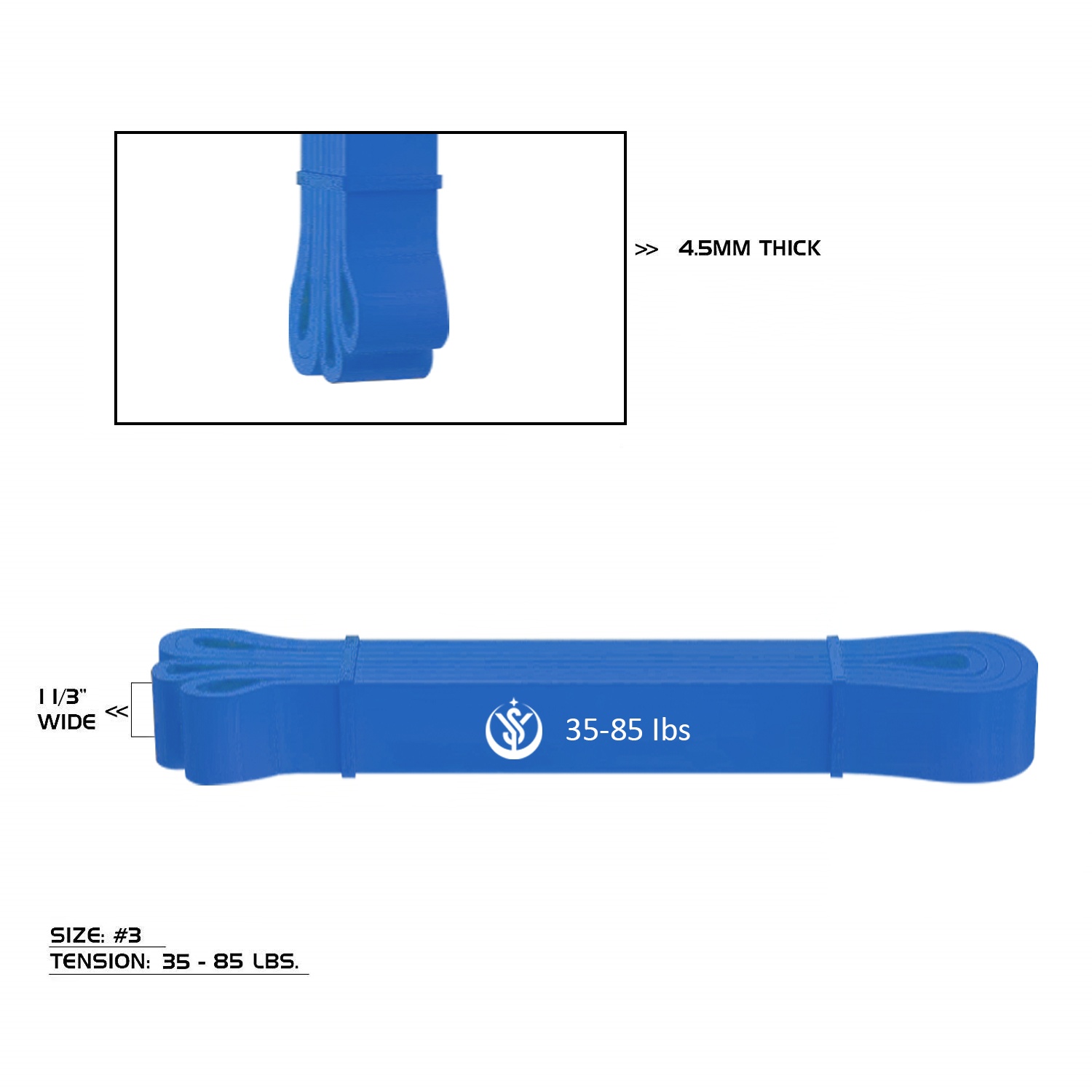
The question of whether a pull up assist band belongs in a commercial fitness center is one that gym owners and equipment buyers frequently face. Commercial facilities serve a wide spectrum of members, from complete beginners who cannot yet perform a single unassisted pull up to advanced athletes chasing strength milestones. A pull up assist band addresses exactly that range, making it a logistically smart and financially sensible addition to any professional training environment. The short answer is yes, a pull up assist band is highly suitable for commercial fitness centers, and the reasoning behind that answer goes deeper than simple convenience.
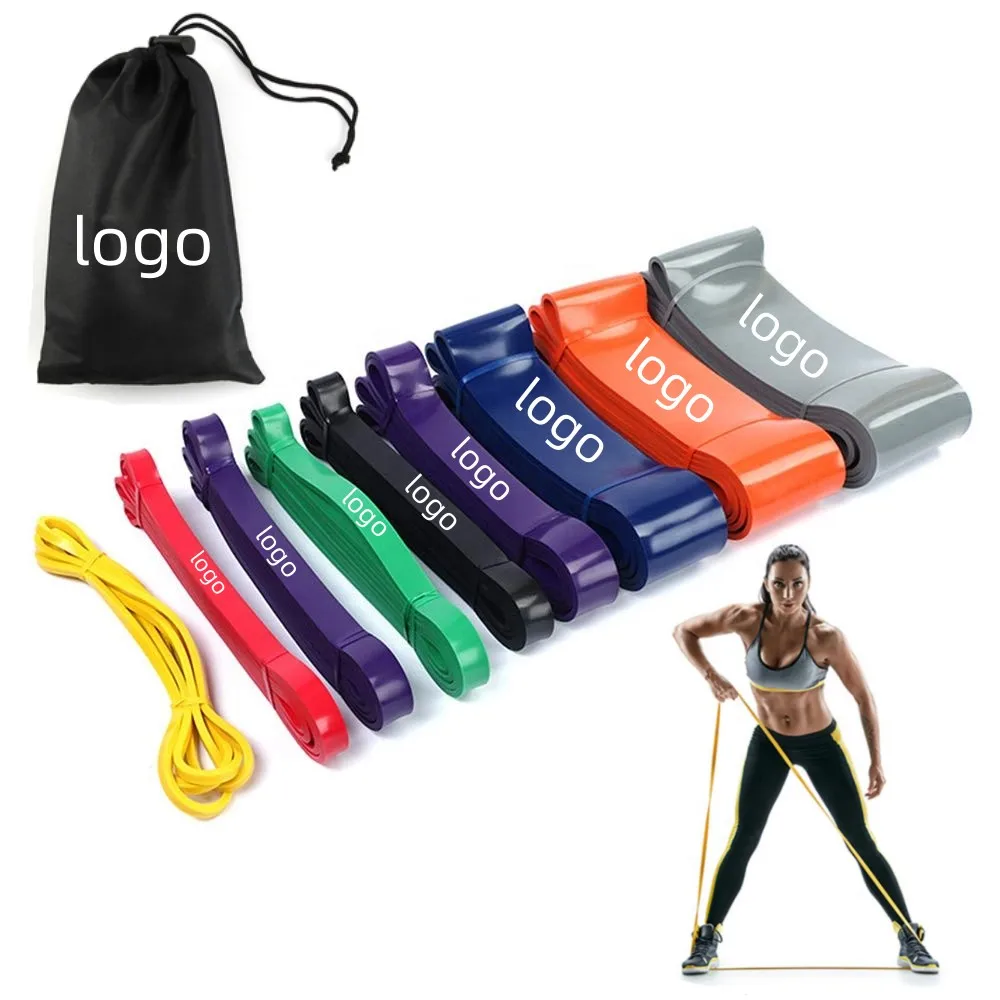
Understanding what makes a pull up assist band genuinely valuable in a commercial context requires looking at member diversity, equipment longevity, operational cost, and how a pull up assist band integrates into group and personal training programs. Commercial gyms that stock a quality pull up assist band set consistently report higher member satisfaction scores and broader participation in upper-body training routines. This article breaks down the key factors that confirm a pull up assist band is not just acceptable but strategically beneficial for commercial fitness environments.
Member Inclusivity and Training Range
Serving All Fitness Levels with One Tool
A commercial fitness center thrives when its equipment serves the broadest possible membership base. A pull up assist band achieves this by offering graded resistance levels in a single product category. Beginners use a thicker, heavier pull up assist band that reduces the effective bodyweight they must lift, allowing them to build strength progressively. Intermediate members select a medium-resistance pull up assist band to refine technique and increase pull up volume. Advanced athletes use a lighter pull up assist band for mobility work, stretching, and accessory exercises. One pull up assist band set, offered in multiple resistance levels, replaces the need for multiple specialized machines.
Expanding Pull Up Station Utility
A pull up bar alone serves only members already capable of completing the movement. When a commercial gym pairs each pull up station with a pull up assist band selection, the station becomes accessible to virtually every member. This dramatically increases the return on investment for every pull up rig or bar installed in the facility. A pull up assist band also supports mobility routines, band-resisted rows, shoulder warm-ups, and rehabilitation exercises, meaning a single pull up assist band earns its place many times over within a single training session. Facilities that treat the pull up assist band as a station-level accessory report consistently high utilization rates throughout the day.
Durability and Commercial-Grade Performance
Material Quality Under High-Frequency Use
Commercial environments demand that every piece of equipment withstand daily use by dozens or hundreds of members. A pull up assist band manufactured from high-quality natural latex maintains its elasticity and tensile strength through thousands of repetitions. Cheaper alternatives may snap or lose resistance consistency within weeks of commercial deployment, creating both a safety risk and a replacement cost burden. When sourcing a pull up assist band for commercial use, facility managers should prioritize latex-grade specification, stitching quality on looped ends, and the manufacturer's stated cycle durability. A properly specified pull up assist band set will typically serve a commercial gym for one to two years under normal usage conditions before requiring replacement.
Maintenance and Hygiene in Shared Environments
Unlike padded weight machines or cable systems, a pull up assist band requires minimal maintenance. Regular inspection for surface cracking or thinning is the primary care requirement for a pull up assist band in commercial service. Most pull up assist band products can be wiped down with standard gym-safe disinfectants without degrading the latex, which is a critical hygiene consideration in shared training spaces. Facilities should store each pull up assist band on a dedicated hook or in a labeled bin near pull up stations to prevent tangling, misplacement, and unnecessary wear caused by improper storage. A simple pull up assist band care protocol keeps replacement costs predictable and manageable.
Cost Efficiency and Facility Investment Logic
Low Cost Per Member Served
One of the strongest commercial arguments for stocking a pull up assist band is the exceptionally low cost per member served. A full pull up assist band set covering light, medium, and heavy resistance levels typically costs a fraction of what a single assisted pull up machine costs. Yet a pull up assist band set can serve the same number of members simultaneously, provided the facility installs adequate pull up stations. For new commercial gyms optimizing their equipment budget, deploying a pull up assist band strategy across multiple pull up rigs is a high-value, low-risk investment. Even for established facilities looking to expand their training accessory inventory, adding a pull up assist band collection delivers measurable member value without significant capital expenditure.
Alignment with Group Training and PT Programs
Personal trainers and group fitness instructors consistently incorporate a pull up assist band into programming because it scales workouts to individual client capability in real time. A trainer can hand a client the appropriate pull up assist band without interrupting the training flow, maintaining session intensity and momentum. Group functional fitness classes that include pull up work benefit greatly from having a pull up assist band available at each station, eliminating the bottleneck of members waiting for a single assisted machine. Commercial gyms that equip their training floors with a pull up assist band supply find that both personal training revenue and class retention improve as a direct result.
FAQ
How many pull up assist bands does a commercial gym typically need?
Most commercial facilities stock at least three resistance levels of pull up assist band per pull up station. For a gym with four to six pull up bars, that means maintaining twelve to eighteen individual pull up assist band units in total, with additional spares held in reserve for replacements.
Can a pull up assist band be used for exercises other than pull ups in a gym setting?
Yes. A pull up assist band is highly versatile and is regularly used for resistance stretching, shoulder mobility drills, banded rows, glute activation, and warm-up routines. This multi-use quality adds further justification for including a pull up assist band in a commercial training environment.
What resistance levels of pull up assist band should a commercial gym stock?
A commercial facility should stock at minimum a light, medium, and heavy pull up assist band to cover beginner through advanced members. Many gyms also add an extra-heavy pull up assist band for members in early rehabilitation or those with very limited upper-body strength, ensuring no member is left without a suitable option.