 EN
EN


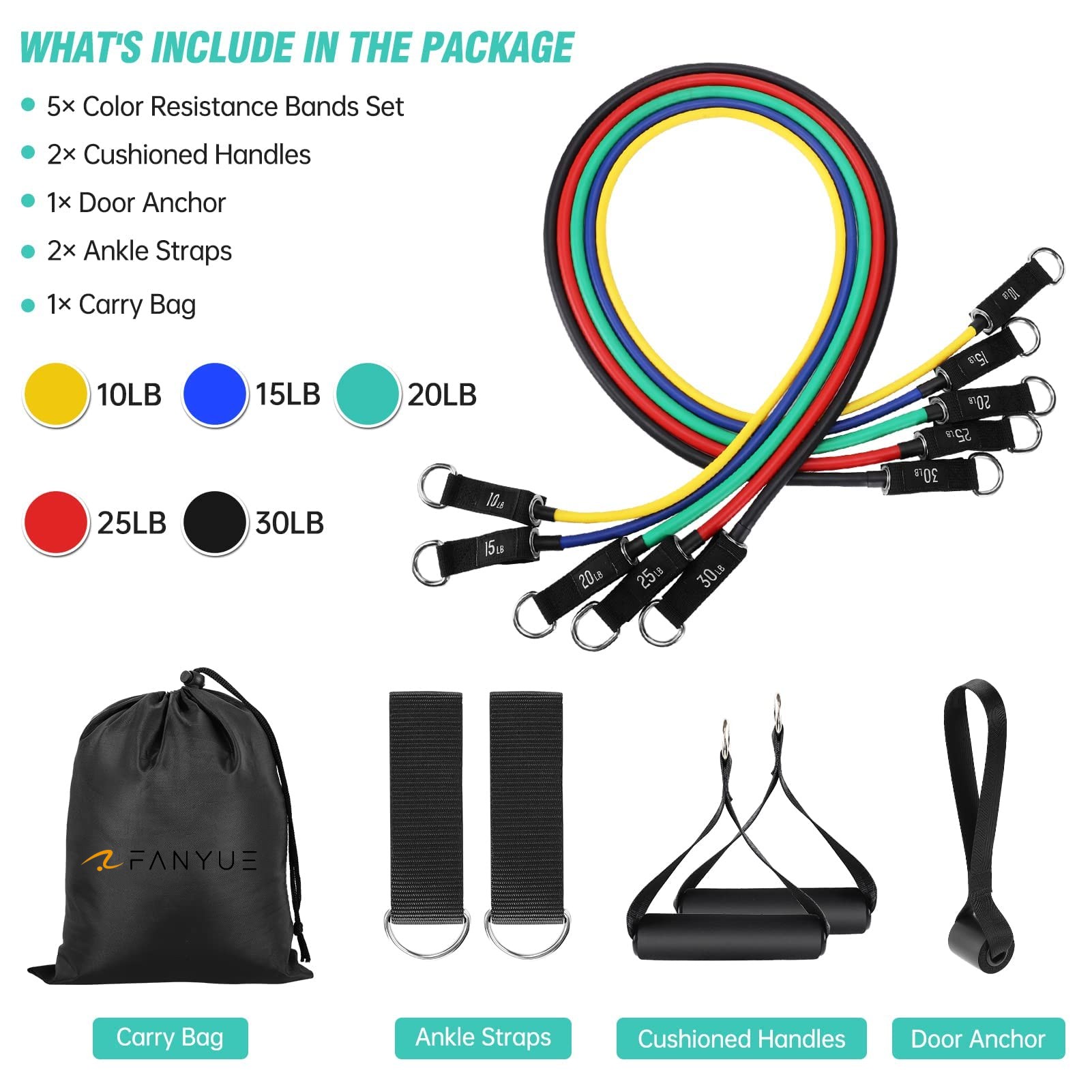
Functional movement is the foundation of how the human body performs in everyday life, from bending and lifting to pushing and rotating. When training tools align with these natural motion patterns, the results go far beyond aesthetic gains. The resistance tube has become one of the most effective tools for training the body in multiple planes of motion, reinforcing the movement mechanics people rely on daily. Unlike fixed machines that isolate muscles in a single direction, a resistance tube introduces variable tension that challenges the neuromuscular system throughout every phase of a movement.
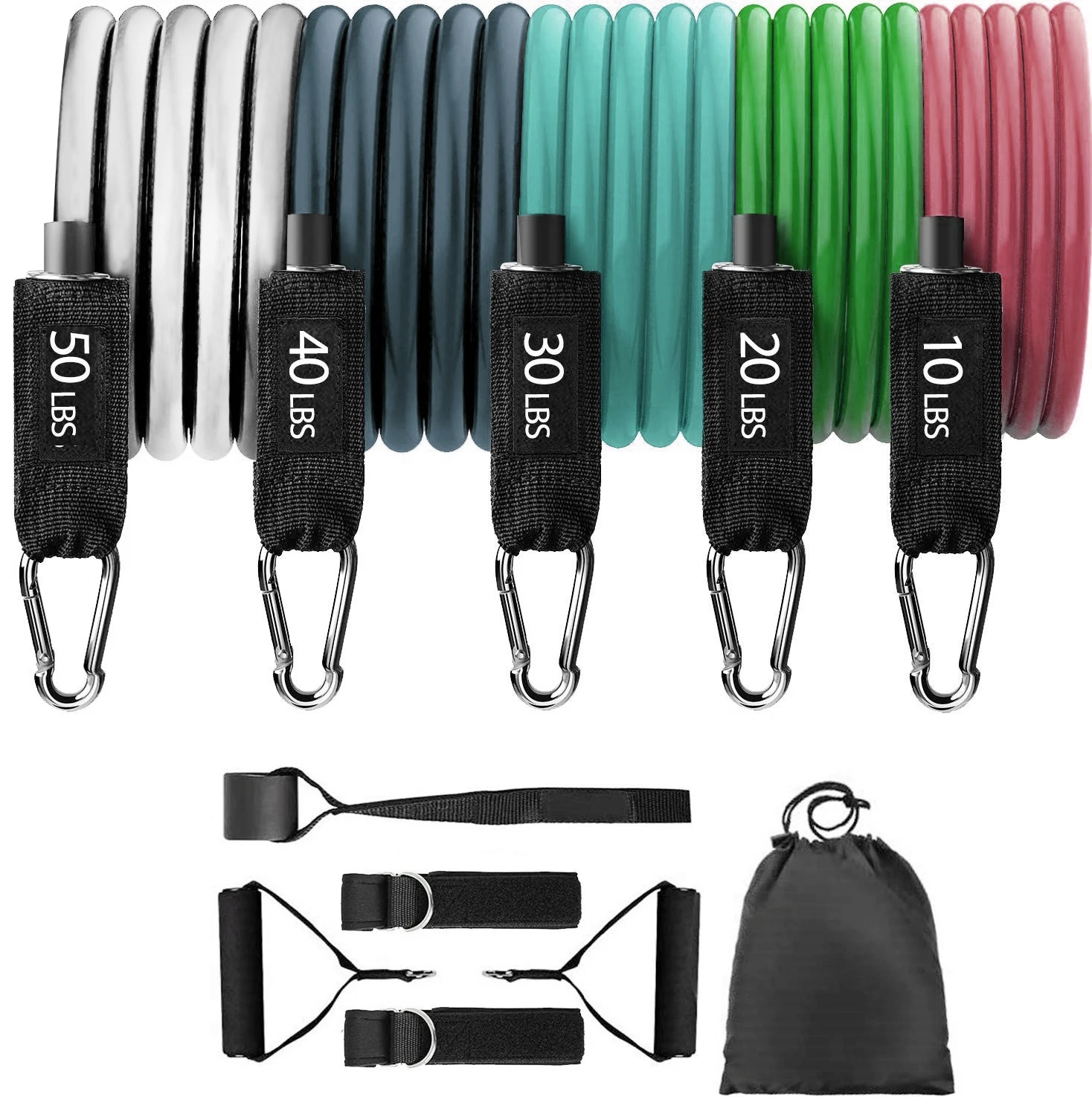
The resistance tube is not simply a stretchy cord. It is a biomechanically intelligent training tool that responds to the user's force output and joint angle in real time. This responsiveness makes the resistance tube particularly well suited for developing the kind of coordinated, multi-joint strength that functional movement demands. Athletes, rehabilitation patients, and general fitness users all benefit from incorporating a resistance tube into their routines because it mirrors real movement demands rather than artificially isolating them.
How Resistance Tube Tension Supports Natural Movement Mechanics
Variable Resistance and Muscle Activation Across the Range of Motion
One of the defining characteristics of a resistance tube is that the tension it provides increases as the tube is stretched further. This property, known as accommodating resistance, aligns naturally with the strength curve of many human movements. During a squat or a pressing motion, the body is mechanically stronger at certain angles. A resistance tube matches this by delivering greater resistance at the point where the body is most capable of handling it, which keeps the muscles under productive tension throughout the full range of motion. This approach to loading promotes complete muscle fiber recruitment and trains the stabilizing muscles that fixed-weight equipment often neglects.
Multi-Plane Movement and Coordination Development
Functional movement rarely occurs in a single plane. Daily tasks involve twisting, reaching diagonally, and stabilizing the body against uneven forces. A resistance tube is uniquely suited to replicate these multi-directional demands. Because a resistance tube can be anchored at different heights and angles, it allows the user to perform rotational pulls, diagonal chops, and lateral movements that challenge the body's coordination system in a realistic way. This multi-plane training builds the kind of dynamic stability that traditional strength work alone cannot replicate. Over time, consistent resistance tube training rewires motor patterns to become more fluid and efficient.
Resistance Tube Exercises That Build Functional Strength
Lower Body and Hip Hinge Movements
Hip hinge patterns are central to functional movement, appearing in everything from picking up objects to athletic jumping. Using a resistance tube for Romanian deadlifts, hip thrusts, and squat variations develops posterior chain strength while simultaneously training the core to stabilize against the pull of the resistance tube. Because the resistance tube creates a constant demand for postural control, the deep spinal stabilizers are activated throughout each repetition. This is distinct from barbell work, where the load is purely vertical and the stabilization demand is more limited. Adding a resistance tube to lower body training therefore improves both strength and movement quality at the same time.
Upper Body Pulling and Pressing Patterns
Pushing and pulling are two of the most fundamental upper body movement patterns. A resistance tube allows both to be trained with natural joint mechanics. Resistance tube rows, face pulls, and band pull-aparts develop the muscles of the upper back that are critical for posture and shoulder stability. Resistance tube pressing movements, when anchored behind the body, develop the chest and shoulders while simultaneously requiring the core to resist rotational forces. This integrated demand means that resistance tube training for the upper body strengthens not just the prime movers but also the surrounding support structure, which is essential for injury prevention and long-term movement quality.
Practical Advantages of Resistance Tube Training for All Populations
Scalability and Progressive Challenge
One of the greatest practical benefits of the resistance tube is that resistance levels can be adjusted easily by choosing different tube thicknesses or by stacking multiple tubes together. A stackable resistance tube set, such as one offering up to 150 lbs of combined resistance, gives the user a wide training range that accommodates beginners and experienced athletes alike. This scalability is critical for functional movement training because it allows progression to happen gradually and safely. As the body adapts and movement patterns improve, the resistance tube challenge can be increased without switching to a completely different training modality.
Portability and Training Environment Flexibility
Functional movement training must sometimes happen outside of a traditional gym setting, whether at home, during travel, or in a rehabilitation space. A resistance tube is compact and lightweight, making it one of the most portable strength training tools available. This portability means that resistance tube training can be performed consistently regardless of location, which is a significant factor in building and maintaining movement quality over time. Consistency is the driver of real neurological adaptation, and having access to a resistance tube in any environment removes the barriers that interrupt training programs.
Incorporating a resistance tube into a structured program also encourages users to focus on movement quality over raw load. This mindset shift is itself a functional benefit, training individuals to move better rather than simply move more weight. The resistance tube, when used thoughtfully, becomes a tool for re-educating movement patterns, correcting imbalances, and building the integrated strength that improves performance in sport, work, and everyday life. Its simplicity should not be confused with limitation; the resistance tube is one of the most biomechanically rich tools in modern functional fitness.
FAQ
How often should I use a resistance tube to improve functional movement?
For meaningful improvements in functional movement, using a resistance tube three to four times per week is generally effective. This frequency allows enough stimulus for neuromuscular adaptation while providing adequate recovery time. Focus on movement quality over volume, especially in the early stages of resistance tube training.
Can a resistance tube replace free weights for functional training?
A resistance tube offers distinct advantages for functional movement that free weights do not fully replicate, including multi-plane loading and accommodating resistance. While a resistance tube is not a complete replacement for all barbell or dumbbell work, it is a powerful complement that fills specific training gaps, particularly for coordination, stability, and movement pattern development.
Is a resistance tube suitable for injury rehabilitation?
Yes, a resistance tube is widely used in physical therapy and rehabilitation settings because it allows controlled, progressive loading with minimal joint stress. The elastic resistance of a resistance tube is gentler on joints than rigid weights, and the ability to work through partial or modified ranges of motion makes the resistance tube a practical and safe option during recovery phases.