 EN
EN


If you are setting up a workout space at home but have limited square footage, the question of which equipment truly fits is critical. A resistance tube stands out as one of the most space-efficient training tools available today. Unlike bulky machines or heavy free weights, a resistance tube occupies almost no physical space and can be stored in a drawer, a small bag, or hung on a hook. For anyone building a compact home gym, understanding what a resistance tube can realistically offer is the first step toward making a smart investment.
The short answer is yes — a resistance tube is not just suitable but genuinely well-suited for compact home gyms. A resistance tube delivers progressive resistance, supports full-body training, and adapts to both beginner and advanced fitness levels. The combination of low cost, minimal storage requirements, and broad exercise variety makes a resistance tube one of the most practical purchases for small-space training environments. This article breaks down exactly why that is the case and what to look for when choosing a resistance tube for your home setup.
Space Efficiency of Resistance Tube Equipment
Minimal Footprint, Maximum Versatility
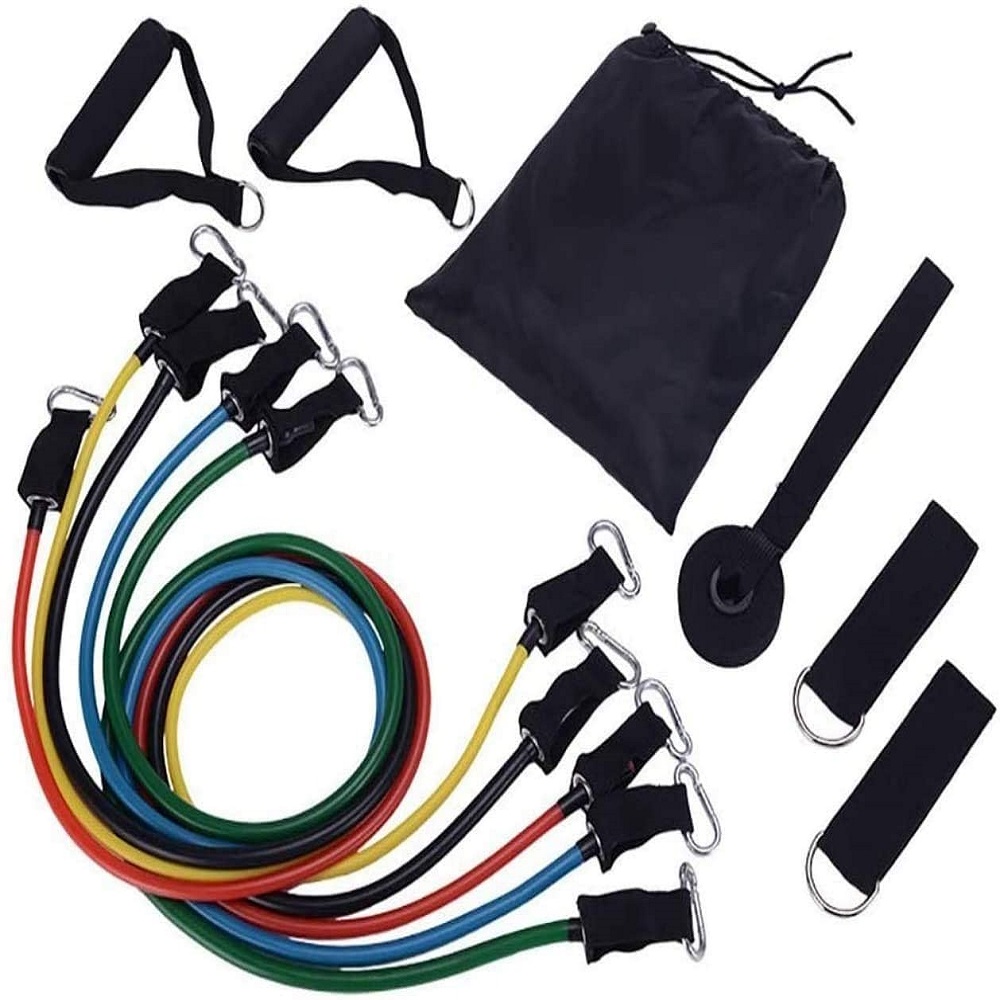
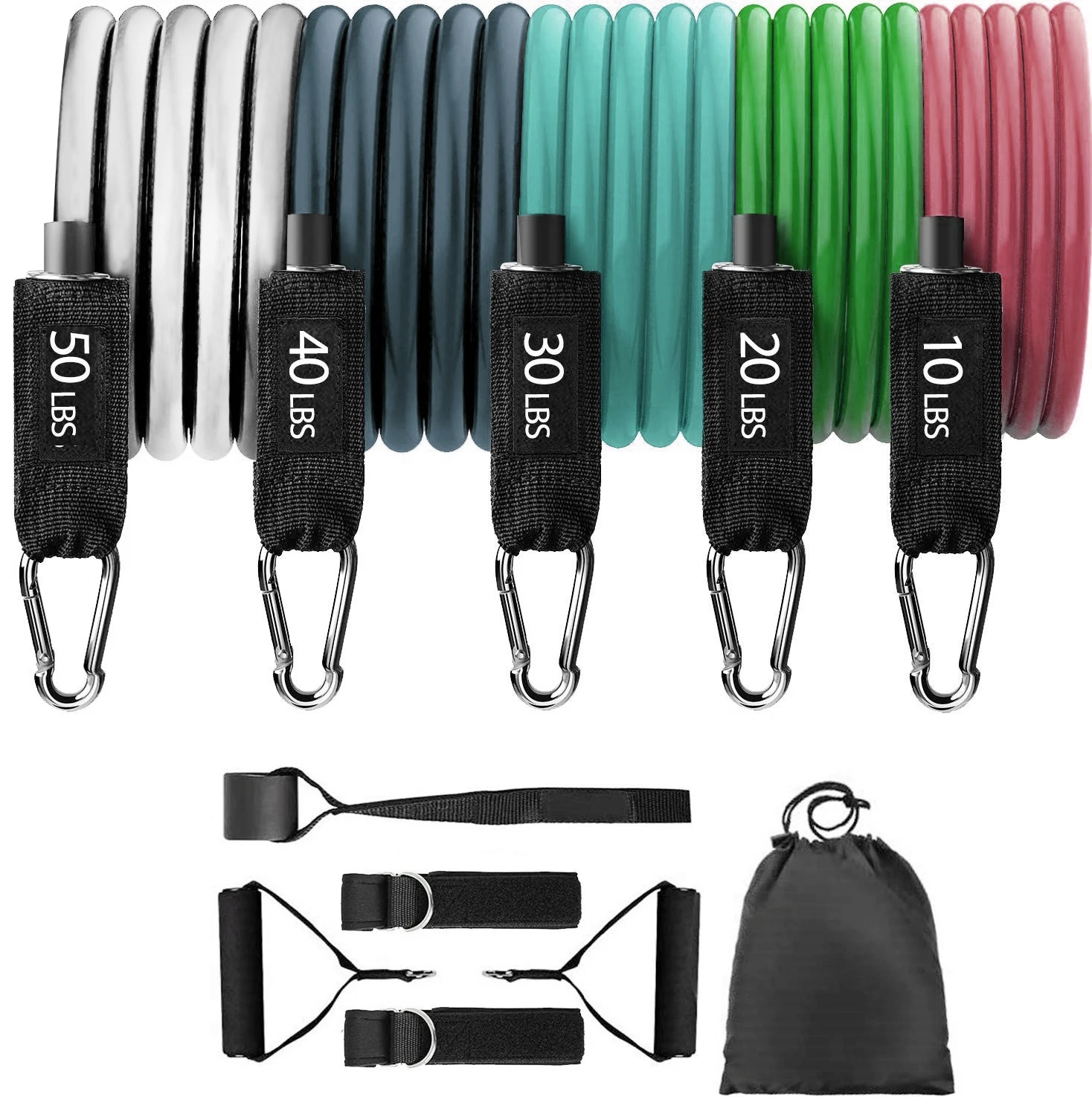
One of the primary reasons a resistance tube performs so well in compact home gyms is its near-zero footprint during storage. A full resistance tube set, including five tubes of varying resistance levels, handles, door anchors, and ankle straps, can fit inside a pouch smaller than a laptop bag. This matters enormously when your workout area doubles as a living room, bedroom, or office. A resistance tube requires no permanent installation, no dedicated floor space, and no ceiling height adjustments.
During active use, a resistance tube also occupies very little space compared to dumbbells or barbells. Most resistance tube exercises are performed within a standard arm-length range of motion. Movements like bicep curls, shoulder presses, chest presses, and rows using a resistance tube can all be completed in a space roughly two meters by two meters. For small apartments or rooms where every square meter counts, this is a decisive advantage over traditional gym equipment.
Setup and Transition Speed
In a compact home gym, the time spent arranging and rearranging equipment affects workout consistency. A resistance tube sets up in seconds. Attach the resistance tube to a door anchor, clip on the handles, and you are ready to train. Switching between exercises with a resistance tube is faster than loading and unloading barbell plates, which means your total workout time is spent moving rather than preparing. This efficiency makes a resistance tube especially appealing for people with tight daily schedules.
Training Effectiveness of Resistance Tube in Small Spaces
Full-Body Coverage Without Heavy Equipment
A common concern about compact home gym setups is whether lighter, simpler tools can deliver results comparable to a full commercial gym. A resistance tube addresses this concern directly. Using a stackable resistance tube set, you can target every major muscle group — including the chest, back, shoulders, arms, core, glutes, and legs. A single resistance tube session can move fluidly from upper-body pulling movements to lower-body squats and lateral band walks without any equipment change beyond repositioning the resistance tube anchor point.
The physics of resistance tube training also offer a unique benefit over free weights. A resistance tube generates progressive tension, meaning resistance increases as the tube stretches. This progressive load challenges muscles throughout the full range of motion rather than only at the point of peak effort. For muscle development and joint-friendly training, a resistance tube provides a training stimulus that is both effective and easier on connective tissues than heavy iron alternatives.
Resistance Levels and Scalability
A stackable resistance tube set typically offers between five and eleven individual tubes, each with a different resistance rating. By combining multiple resistance tube units simultaneously, you can incrementally increase the load from as little as five pounds up to one hundred fifty pounds or more. This scalability means a resistance tube system can serve a beginner on day one and still challenge an experienced athlete months later. For a compact home gym intended to support long-term fitness progress, this adaptability eliminates the need to purchase additional equipment as your strength improves.
Practical Considerations for Choosing a Resistance Tube
Material Quality and Durability
Not all resistance tube products are built to the same standard. For regular home use, a latex resistance tube offers better elasticity, snap resistance, and longevity compared to lower-grade alternatives. A quality latex resistance tube maintains consistent tension over thousands of repetitions without degrading noticeably. When selecting a resistance tube for a compact home gym, inspect the latex construction, the reinforced end fittings, and the quality of the metal clips connecting the resistance tube to its handles. These are the failure points most likely to affect long-term performance.
A well-constructed resistance tube set should also include padded handles for comfort during extended sessions and a door anchor rated for the full resistance load. If you plan to use the resistance tube for heavier combined resistance, verify that the anchor system is rated accordingly. Investing in a durable resistance tube upfront avoids the frustration and potential safety risk of snapped tubes during workouts.
Workout Compatibility With Home Environments
A resistance tube integrates naturally into home environments without requiring wall-mounted hooks, power outlets, or special flooring. The door anchor method allows a resistance tube to simulate cable machine movements using any standard door in your home. For floor-based exercises, the resistance tube loops around a foot or a fixed anchor point at ground level. This flexibility means a resistance tube can adapt to your available furniture and architecture rather than requiring you to modify your space to fit the equipment.
FAQ
Can a resistance tube replace dumbbells in a compact home gym?
A resistance tube can replicate most dumbbell exercises and covers the same major muscle groups. While a resistance tube behaves differently from free weights due to its elastic tension profile, it provides comparable training stimulus for general fitness and muscle tone. Many home gym users find that a stackable resistance tube set covers their training needs without requiring any dumbbells at all.
How many resistance tube units do I need for a complete home workout?
A set of five stackable resistance tube units with varying resistance levels is generally sufficient for full-body training. This allows you to use a single resistance tube for light movements and combine multiple resistance tube units for compound exercises requiring heavier loads. An eleven-piece resistance tube set offers even more incremental control over resistance progression.
Is a resistance tube safe to use with a door anchor at home?
Yes, when used correctly, a resistance tube with a quality door anchor is safe for home use. Ensure the door anchor is positioned at the correct height for your exercise, confirm the door closes firmly against the anchor strap, and inspect the resistance tube and fittings before each session for signs of wear. Following these basic precautions makes resistance tube training with a door anchor both safe and effective.