 EN
EN


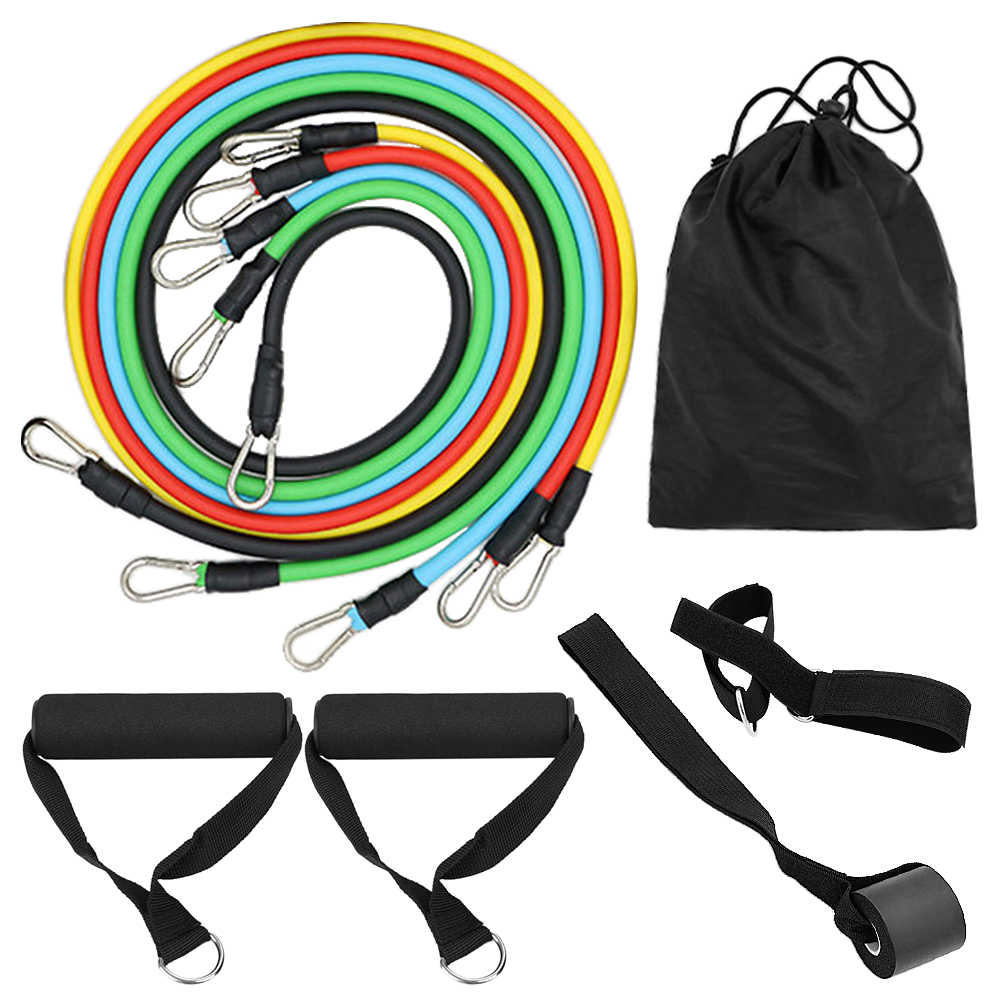
A resistance tube is one of the most versatile and goal-oriented training tools available for both home and professional fitness settings. Unlike fixed-weight equipment, a resistance tube adapts to the user's strength level, movement pattern, and specific training objective. This adaptability is what makes resistance tube training particularly powerful for anyone pursuing a personalized fitness plan rather than a one-size-fits-all routine.
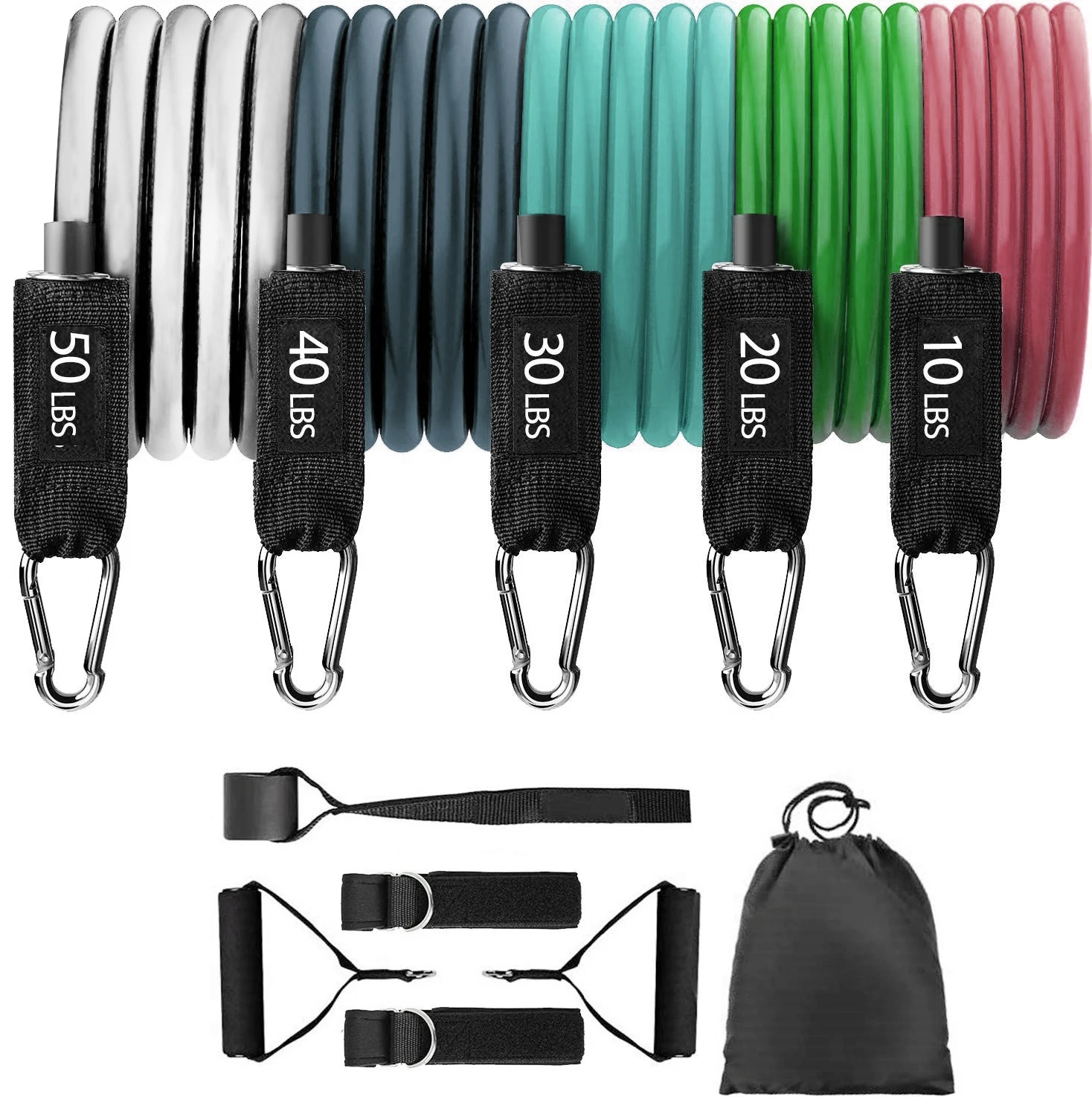
Whether your goal involves building lean muscle, improving athletic performance, recovering from an injury, or simply maintaining an active lifestyle, the resistance tube offers a practical pathway to get there. Its compact design and stackable tension system mean that a single resistance tube set can replace an entire rack of dumbbells. Understanding how resistance tube training aligns with specific fitness goals helps users extract far greater value from every session.
How a Resistance Tube Supports Goal-Specific Training
Scalable Resistance for Progressive Overload
One of the most fundamental principles in any training program is progressive overload — gradually increasing the challenge placed on your muscles over time. A resistance tube directly supports this principle because users can increase or decrease tension simply by changing the tube's thickness, stacking multiple tubes together, or altering the anchor point. For instance, a light resistance tube is ideal when starting strength work or rehabbing a joint, while combining two or three resistance tubes together creates enough tension for advanced muscle-building sessions. This scalability means the resistance tube grows with the user, eliminating the need to purchase new equipment as fitness levels improve.
Movement Freedom and Muscle Activation Patterns
A resistance tube provides constant tension throughout the full range of motion, which is a distinct mechanical advantage over free weights. With a dumbbell, the resistance only peaks at certain angles due to gravity. A resistance tube, by contrast, keeps the target muscle engaged from the start to the end of every repetition. This characteristic makes resistance tube training especially effective for functional exercises that mimic real-life or sport-specific movement patterns. For athletes working on rotational power, lateral agility, or overhead stability, the resistance tube can replicate these demands with greater relevance than traditional machine-based exercises.
Matching Resistance Tube Workouts to Specific Fitness Objectives
Strength and Hypertrophy Goals
For users focused on building strength or increasing muscle size, a resistance tube can be used in compound movements such as rows, chest presses, squats, and deadlifts. When multiple resistance tubes are stacked to achieve higher tension loads — some stackable sets allow up to 150 lbs of combined resistance — the training stimulus is comparable to moderate barbell or dumbbell work. The key is controlling the eccentric phase of each resistance tube movement, which maximizes muscle fiber recruitment. Pairing resistance tube exercises with a structured progressive loading plan produces measurable strength gains over time.
Mobility, Flexibility, and Recovery Goals
A resistance tube is equally effective for users whose primary goal is improving joint mobility or recovering from physical setbacks. Physical therapists and rehabilitation specialists frequently incorporate resistance tube exercises into recovery protocols because the adjustable tension allows precise load management around sensitive joints. Gentle resistance tube work activates stabilizing muscles around the shoulder, hip, and knee without placing compressive stress on the joint itself. For older adults or post-surgical patients, this makes the resistance tube a safer and more accessible training option than heavy free weights. Mobility-focused resistance tube routines often combine slow, controlled movements with deep stretching, producing results that static stretching alone cannot achieve.
Practical Advantages of Resistance Tube Training for Long-Term Goals
Consistency Through Portability and Convenience
One of the biggest barriers to achieving long-term fitness goals is inconsistency. A resistance tube eliminates many of the logistical obstacles that interrupt training schedules. Because a full resistance tube set weighs less than two pounds and fits inside a small bag, users can maintain their workout routine during travel, at the office, or in spaces where traditional equipment is unavailable. Consistency is directly correlated with results, and the portability of a resistance tube makes consistent training far more achievable. When the barrier to entry is low, users are far more likely to complete scheduled sessions rather than skip them.
Cost-Effective Versatility Across Multiple Training Phases
Fitness goals evolve over time. A person who begins training to lose weight may later shift toward muscle toning, then athletic conditioning, and eventually injury prevention. Rather than investing in entirely new equipment at each stage, a quality resistance tube set supports all these phases. The same resistance tube used for upper-body activation during rehabilitation can later anchor heavy squats or resisted sprinting drills. This multi-phase versatility means the resistance tube delivers ongoing return on investment throughout every stage of a long-term fitness journey. For personal trainers and coaches, a resistance tube set is also an efficient client-facing tool that can be customized on the spot for each individual's current capability.
FAQ
How many resistance tubes do I need to start a personalized training program?
A starter set with three to five resistance tubes of varying tension levels is typically sufficient for most beginners. As your fitness goals evolve, adding higher-tension resistance tubes allows you to continue progressing. Many stackable resistance tube sets on the market offer between five and eleven tubes designed to combine for graduated resistance levels.
Can a resistance tube replace free weights for serious strength training?
A resistance tube can deliver meaningful strength training results, particularly when tubes are stacked for higher tension. While a resistance tube provides constant tension rather than gravitational load, both stimulus types can promote muscle development when applied with proper programming. Many athletes use resistance tube training alongside free weights to add variety and address movement angles that weights cannot replicate.
Is resistance tube training safe for beginners and older adults?
Yes, a resistance tube is widely considered one of the safest training tools for beginners and older adults. The adjustable tension allows users to start at very low resistance levels and progress gradually. A resistance tube also reduces joint impact compared to loaded barbell or machine exercises, making it especially suitable for those with joint sensitivity or limited prior training experience.