 EN
EN


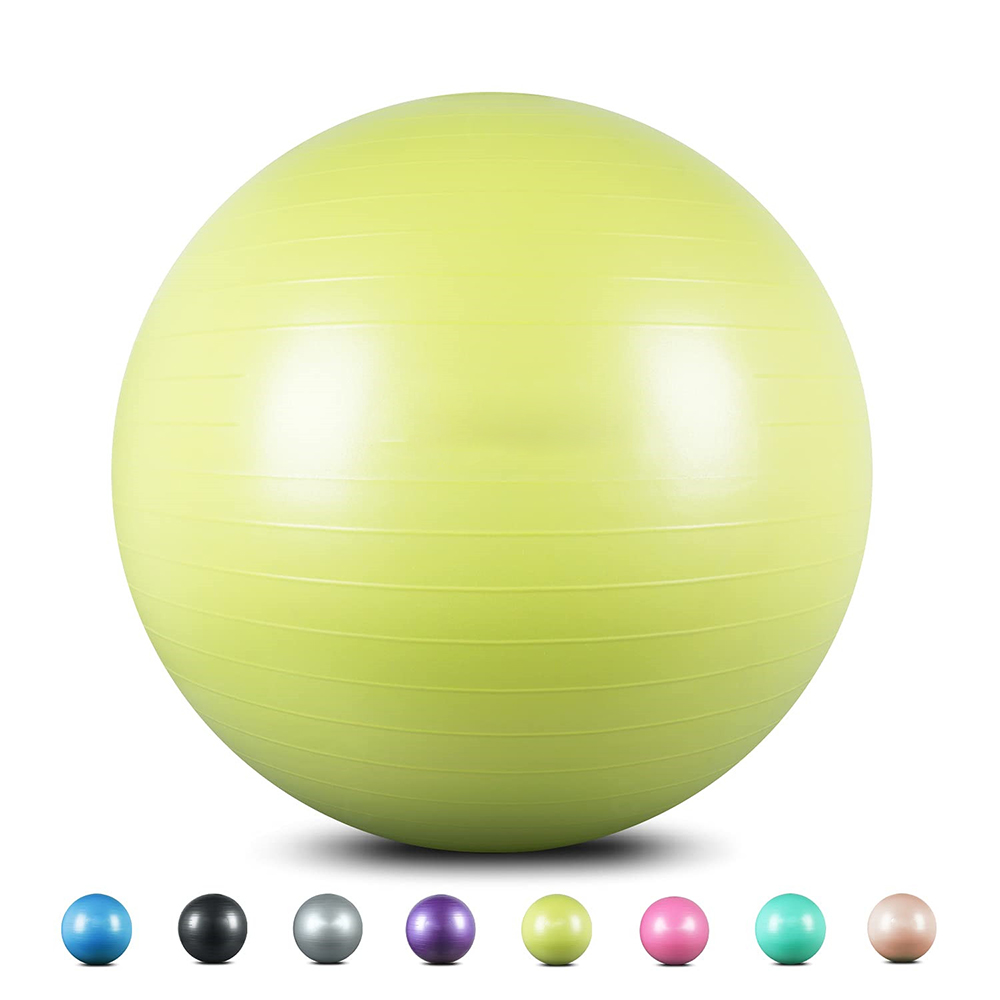
Fitness studios are always searching for tools that deliver measurable results while keeping participants motivated and engaged. The yoga ball has become one of the most consistently used pieces of equipment across group fitness formats, from gentle stretch sessions to high-intensity functional training. Its presence in studios is not accidental — instructors choose the yoga ball because it solves real training challenges that other equipment cannot address as effectively.
When a studio incorporates a yoga ball into its programming, it signals a commitment to functional fitness, client variety, and inclusive exercise design. The yoga ball supports beginners who need postural assistance and challenges advanced athletes who want instability training. Understanding why studios rely on the yoga ball so heavily helps fitness professionals, gym owners, and clients make smarter decisions about class design and equipment investment.
Core Activation and Stability Training Benefits
How the Yoga Ball Recruits Deep Stabilizer Muscles
The primary reason studios include yoga ball work is its unmatched ability to engage the deep stabilizer muscles of the core, spine, and hips. When a participant sits, balances, or performs movement on a yoga ball, the body must constantly micro-adjust to maintain position. These micro-adjustments activate muscles that flat surfaces and rigid equipment simply do not reach. Every yoga ball exercise therefore delivers dual benefits: the primary movement being trained and the stabilization demand layered beneath it.
Instructors designing class formats consistently return to the yoga ball because it turns ordinary exercises into full-body integration challenges. A standard bridge performed on a yoga ball, for example, activates the glutes, hamstrings, and lower back while simultaneously demanding hip stability and ankle coordination. The yoga ball transforms what would otherwise be an isolated move into a compound functional pattern. This efficiency is extremely valuable in a group class setting where time per exercise is limited.
Spinal Support and Posture Correction in Class Settings
Beyond activation, the yoga ball provides essential spinal support during exercises that involve seated or reclined positions. The gentle curve of the yoga ball encourages natural lumbar alignment, which helps participants avoid the postural compensations that flat benches often promote. Studios that serve clients with back sensitivity or desk-based occupations find the yoga ball especially useful for teaching correct neutral spine positioning. Regular yoga ball use in classes trains better posture over time, not just during the session itself.
Versatility and Class Programming Value
The Yoga Ball Across Multiple Class Formats
One of the strongest arguments for keeping yoga ball equipment in a studio is its programming versatility. A single yoga ball serves effectively in Pilates, yoga, functional strength, rehabilitation-focused classes, prenatal fitness, and even HIIT formats. Studios that invest in quality yoga ball inventory can serve dramatically different client populations without purchasing separate specialized tools for each format. This versatility makes the yoga ball one of the highest-return equipment purchases a studio can make.
In a typical weekly schedule, the same yoga ball might be used for a slow mobility flow in the morning, a core conditioning class at midday, and a postnatal recovery session in the evening. Each class uses the yoga ball differently, but each draws on the same fundamental properties: instability, curvature, and responsiveness to body weight. Studios that understand this range can build programming calendars that feel fresh and varied while maintaining consistent equipment logistics.
Scalability for Mixed-Ability Groups
Group classes often contain participants at very different fitness levels, and the yoga ball addresses this challenge naturally. Beginners can use the yoga ball as a support prop, holding it between the knees during squats or using it for seated balance work. Intermediate participants can perform standard yoga ball core exercises. Advanced clients can progress to single-leg yoga ball movements or combine yoga ball instability with resistance bands and free weights. The yoga ball scales across ability levels without requiring instructors to manage multiple versions of an exercise for different students.
This scalability also reduces the psychological barrier that many clients feel toward group fitness. When a yoga ball exercise can be adjusted to any fitness level, participants feel less pressure and more confidence. Studios that prioritize inclusive class design consistently feature the yoga ball as a central tool because it supports this philosophy practically and visually.
Client Engagement and Long-Term Retention
Why the Yoga Ball Increases Class Enjoyment
Fitness studios succeed long-term only when clients keep coming back, and enjoyment is a primary driver of retention. The yoga ball adds a playful, tactile, and often humorous dimension to workouts that other equipment lacks. Clients who might disengage during repetitive mat work often refocus when a yoga ball is introduced. The slight unpredictability of the yoga ball keeps the nervous system engaged and prevents the mental drift that reduces effort during longer class segments.
Instructors frequently report that yoga ball segments generate visible energy shifts in group classes. Laughter, conversation, and competitive spirit naturally emerge when participants are balancing on or working with a yoga ball. This social dimension is important in a studio environment where community feeling directly influences membership renewal rates. Studios that include consistent yoga ball programming tend to build classes with stronger group identity and higher attendance loyalty.
Perceived Value and Studio Differentiation
From a business perspective, studios that offer yoga ball classes differentiate themselves in a competitive fitness market. Clients associate yoga ball programming with functional, intelligent, and body-aware training. When a studio maintains clean, anti-burst, multi-size yoga ball inventory, it communicates professionalism and investment in client safety. Sourcing high-quality yoga ball equipment in appropriate sizes for different participant needs is a visible commitment that clients notice and appreciate.
Studios that overlook yoga ball programming risk losing clients who specifically seek functional movement and stability training. In markets where boutique fitness options are abundant, the presence of thoughtful yoga ball class design can be a meaningful differentiator. The yoga ball is therefore not just a training tool — it is part of the studio's identity and value proposition to its client base.
FAQ
What size yoga ball should a fitness studio stock for group classes?
Most studios stock yoga ball sizes ranging from 55 cm to 75 cm to accommodate different participant heights. A 55 cm yoga ball suits participants under 165 cm, a 65 cm yoga ball fits those between 165–185 cm, and a 75 cm yoga ball serves taller participants. Having multiple sizes ensures every client uses the yoga ball correctly and safely.
How does a yoga ball improve core strength compared to floor exercises?
A yoga ball introduces an unstable surface that forces the core to work continuously throughout every movement. Floor exercises allow the body to brace against a fixed surface, which reduces core demand. The yoga ball removes that fixed contact, making stabilizer muscles work harder. Over time, regular yoga ball training produces deeper core strength than comparable floor-only routines.
Is a yoga ball safe for clients with lower back pain?
Yes, a yoga ball can be highly beneficial for clients with lower back pain when used correctly under professional guidance. The yoga ball encourages natural spinal alignment and gently mobilizes the lumbar spine. Many rehabilitation specialists recommend the yoga ball for back recovery programs. Studios should ensure instructors provide proper cueing and that clients use the correct yoga ball size for their height and weight.