 EN
EN


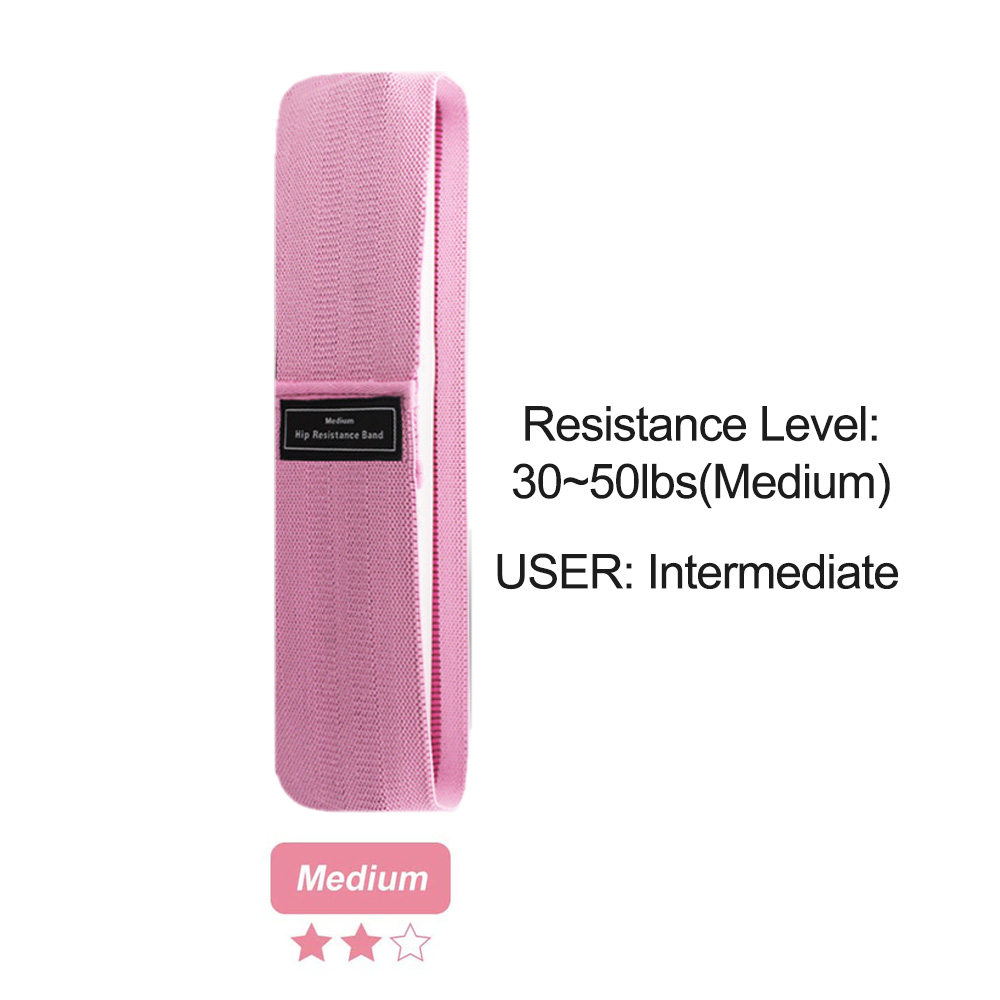
Anyone who has walked into a gym recently has likely seen athletes looping a hip band around their thighs before a workout. This hip band tool has gone from a niche accessory to a standard fixture in warm-up routines across fitness studios, sports teams, and home gyms. But does it actually deliver on its promises, or is it just a trendy prop that adds little real value? The answer lies in understanding how hip band activation works physiologically and where it fits best in a training session.
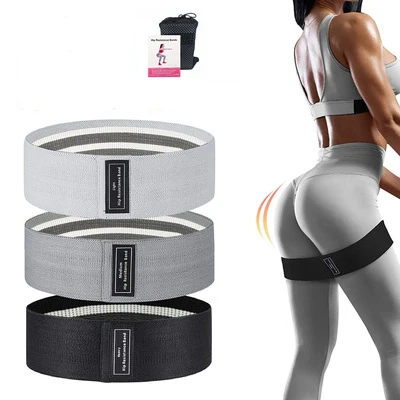
A hip band is a short, looped resistance band worn around the thighs or just above the knees. When used correctly as part of a structured warm-up, a hip band targets the glutes, hip abductors, and stabilizing muscles that often remain dormant during everyday movement. Activating these muscles with a hip band before loading them with heavy compound lifts or athletic movements can significantly improve movement quality, force output, and injury resilience. This article explores exactly how effective a hip band is for warm-up and activation purposes, and how to use it wisely.
The Science Behind Hip Band Activation
Why Targeted Activation Matters Before Training
Many athletes and gym-goers skip targeted muscle activation and go straight into heavy lifting or dynamic sport drills. This approach often leads to compensation patterns, where stronger muscle groups dominate movement and smaller stabilizers remain inactive. A hip band creates external resistance that forces the hip abductors and gluteus medius to engage deliberately. When you perform hip band exercises such as lateral walks, clamshells, or banded squats, the hip band signals the nervous system to recruit those specific muscles more efficiently.
Research in sports science consistently supports the value of pre-activation for improving neuromuscular efficiency. When you use a hip band to activate the glutes before a squat session, your body enters the lift with those muscles already primed. This means the glutes contribute more meaningfully to the movement, reducing stress on the knees and lower back. The hip band essentially bridges the gap between a passive warm-up and a fully activated training state, making it a genuinely effective tool rather than a superficial one.
How a Hip Band Engages Stabilizing Muscles
The hip band works by creating a light but consistent resistance force against hip abduction and external rotation. This resistance compels the gluteus medius, gluteus minimus, and tensor fasciae latae to work in a controlled, sustained manner. These are precisely the muscles responsible for maintaining knee alignment and pelvic stability during squats, lunges, running, and jumping. A hip band warm-up routine lasting just five to ten minutes can meaningfully shift how these muscles respond during the main session.
Using a hip band also heightens proprioceptive awareness in the hip joint. Athletes who train regularly with a hip band develop a stronger mind-muscle connection in the glutes, which carries over into compound movements. Over time, hip band training reinforces proper knee tracking and reduces the risk of valgus collapse, a common injury trigger in lower-body training. This combination of neuromuscular activation and stability improvement makes the hip band a highly practical warm-up investment.
Practical Hip Band Warm-Up Protocols
Effective Hip Band Exercises for Pre-Session Activation
Not every hip band exercise delivers the same activation benefit. For warm-up purposes, the most effective hip band movements are those that isolate the target muscles without demanding high levels of strength or coordination. The hip band lateral walk is a foundational exercise where you step side to side in a slight squat position, keeping constant tension in the hip band throughout. This hip band drill fires the abductors and primes the glutes for broader hip-extension movements.
Another excellent hip band warm-up choice is the banded glute bridge. Lying on your back with the hip band positioned just above your knees, you drive your hips upward while actively pressing outward against the hip band. This movement activates the posterior chain and trains the glutes to stabilize the pelvis under load. Hip band clamshells and monster walks are also reliable options that work the external rotators and abductors, completing a well-rounded hip band activation sequence before any lower-body or full-body session.
How to Structure a Hip Band Warm-Up Routine
A good hip band warm-up should be brief, purposeful, and progressive. Begin with two to three minutes of light general movement such as bodyweight squats or hip circles to raise tissue temperature. Then introduce the hip band with lower-intensity movements like clamshells for one to two sets. Progress to more dynamic hip band exercises such as lateral walks or banded squats to raise activation levels further. Keep the hip band session under ten minutes total so that it complements rather than fatigues the muscles before the main workout begins.
Choosing the right resistance level for your hip band matters considerably. A hip band that is too light will not provide enough stimulus to activate the stabilizers meaningfully. A hip band that is too tight may restrict movement and create compensatory tension. Most practitioners recommend using a hip band at a resistance level where the last two repetitions of each set feel mildly challenging but technically clean. Sets of fifteen to twenty reps per hip band exercise typically work well in a warm-up context.
Hip Band Effectiveness Across Training Contexts
Hip Band Use in Strength and Resistance Training
For lifters preparing for squat variations, deadlifts, or hip thrusts, a hip band warm-up is especially valuable. These compound movements demand high levels of gluteal engagement and hip stability. A hip band pre-activation session ensures the glutes are neurologically ready before the lifter adds external load. Many strength coaches include hip band circuits as a mandatory part of lower-body training days precisely because the activation carryover is so direct and measurable in performance quality.
Even on upper-body training days, a short hip band routine can benefit athletes who sit for extended periods before training. Prolonged sitting inhibits the glutes and shortens hip flexors, creating a posture and recruitment imbalance. A brief hip band warm-up counteracts this effect by re-engaging the posterior chain and restoring normal hip mechanics. The hip band is therefore not limited to lower-body days but can serve as a daily movement reset for desk-based athletes.
Hip Band Applications in Sport and Rehabilitation
Sports practitioners and physiotherapists frequently incorporate the hip band into both athletic preparation and injury recovery programs. In a sport context, the hip band helps sprinters, jumpers, and team sport athletes activate the hip stabilizers that protect the knee and hip joint during explosive movement. A brief hip band warm-up before a running session or court sport practice can reduce the incidence of knee injuries by improving dynamic alignment from the start of activity.
In rehabilitation settings, the hip band is used to rebuild hip abductor strength following knee surgery, hip impingement treatment, or IT band syndrome recovery. The controllable, low-impact nature of hip band exercises makes them ideal for patients who need to restore function gradually. Whether used preventively or therapeutically, the hip band consistently demonstrates measurable value in activating and strengthening the hip complex.
FAQ
How long should a hip band warm-up last before a workout?
A hip band warm-up of five to ten minutes is generally sufficient for most training sessions. This duration allows enough hip band exercises to activate the glutes and hip stabilizers without causing pre-fatigue. Two to three hip band movements performed for fifteen to twenty reps each provide an effective activation stimulus without compromising performance in the main session.
What resistance level should I choose for a hip band warm-up?
For warm-up and activation purposes, a light to medium resistance hip band is most appropriate. The goal of a hip band warm-up is neuromuscular activation, not strength building. A hip band that allows full range of motion while providing mild muscular challenge is ideal. If the hip band restricts movement or causes compensatory tension, switch to a lighter resistance level to maintain technical quality throughout your hip band exercises.
Can a hip band warm-up help prevent knee injuries during squats?
Yes, a hip band warm-up can meaningfully reduce knee injury risk during squats and other lower-body movements. By activating the hip abductors and external rotators before loading, the hip band helps maintain proper knee tracking and prevents inward knee collapse during the squat. Consistent use of the hip band in warm-up routines trains better movement patterns over time, lowering injury risk across all lower-body training activities.