 EN
EN


The yoga ball has earned its place in gyms, rehabilitation centers, and home workout spaces worldwide. What began as a physiotherapy tool has evolved into a serious fitness implement used by athletes, trainers, and everyday exercisers. The central question many people ask is whether a yoga ball can genuinely deliver full-body conditioning results or whether it is simply a trendy accessory with limited real-world value.
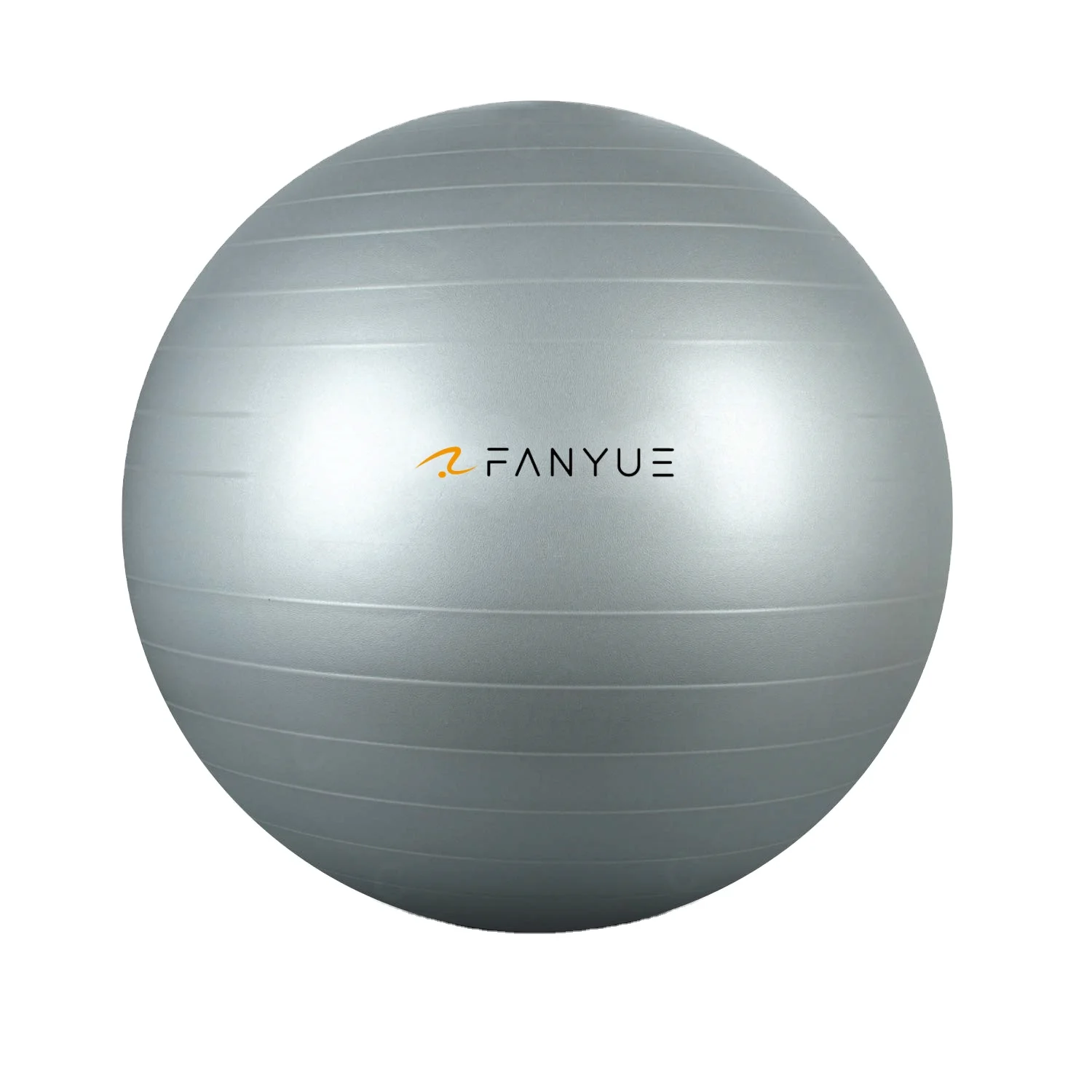
The short answer is yes — a yoga ball is genuinely effective for full-body conditioning when used correctly and consistently. The unstable surface of a yoga ball forces the body to recruit stabilizing muscles that flat-surface exercises often miss. This makes yoga ball training uniquely suited to improving not just isolated muscle strength, but overall functional fitness across multiple body systems simultaneously.
How the Yoga Ball Engages the Entire Body
The Role of Instability in Muscle Activation
The defining characteristic of a yoga ball is its unstable, curved surface. When you perform any movement on a yoga ball, your body cannot rely on a fixed foundation. This instability forces deep core muscles, hip stabilizers, shoulder girdle muscles, and lower-back supporters to activate constantly throughout each exercise. Compared to performing the same movement on a bench or the floor, yoga ball training demands significantly more muscular engagement per repetition.
Research in exercise science consistently supports the idea that yoga ball exercises increase muscle activation levels, particularly in the transverse abdominis, multifidus, and gluteal muscle groups. When you perform a plank on a yoga ball, for example, your core must work continuously to prevent rolling, which produces far greater abdominal activation than a standard floor plank. This principle applies across dozens of yoga ball movements, making it a highly efficient conditioning tool.
Full-Body Movement Patterns on a Yoga Ball
A yoga ball supports a wide range of compound movement patterns. Lower-body exercises such as yoga ball hamstring curls, wall squats, and glute bridges target the legs, hips, and posterior chain comprehensively. Upper-body movements such as yoga ball push-ups, dumbbell chest presses, and prone back extensions challenge the chest, shoulders, triceps, and upper back. Because the yoga ball introduces instability to each of these patterns, no muscle group works in true isolation — coordination and balance must be maintained throughout.
This cross-body demand is what separates yoga ball conditioning from machine-based exercise. Machines stabilize the body for you, limiting the training stimulus to the primary target muscle. A yoga ball removes that assistance, requiring the entire kinetic chain to function together. The result is more complete, functional conditioning that transfers well to real-life movement and athletic performance.
Specific Conditioning Benefits of Yoga Ball Training
Core Strength and Spinal Stability
Core development is arguably where the yoga ball delivers its most measurable conditioning benefit. Every yoga ball exercise, regardless of the primary target, demands core stabilization. When you sit on a yoga ball, your core is already working. When you perform seated overhead presses or yoga ball rollouts, the demand escalates significantly. Consistent yoga ball training builds deep core endurance and strength that supports posture, reduces lower-back discomfort, and improves athletic power transfer.
For individuals who spend long hours sitting at a desk, using a yoga ball as a dynamic seating option introduces mild but continuous core activation throughout the day. While this alone is not a substitute for structured exercise, it demonstrates how versatile and accessible yoga ball conditioning can be across different daily contexts.
Balance, Coordination, and Proprioception
Beyond raw strength, a yoga ball is exceptionally effective at improving balance, coordination, and proprioception — the body's awareness of its position in space. These qualities are essential for injury prevention, athletic agility, and long-term physical independence. Yoga ball exercises challenge the nervous system alongside the muscular system, training the body to respond quickly and accurately to shifting demands.
Athletes use the yoga ball to sharpen reactive stabilization, which means the ability to catch and correct balance automatically. Older adults benefit from yoga ball balance training as a method for reducing fall risk. Rehabilitation professionals use the yoga ball to retrain movement patterns after injury. Across these different populations, the yoga ball consistently proves effective because it addresses multiple conditioning dimensions simultaneously.
Flexibility and Mobility Work
The yoga ball also plays a meaningful role in flexibility and mobility conditioning. The rounded shape of the yoga ball supports gentle spinal extension, thoracic opening, and hip flexor stretching in ways that flat surfaces cannot replicate. Lying back over a yoga ball for chest and shoulder opening, or using the yoga ball for supported hip flexor stretches, provides a comfortable range of motion that promotes tissue lengthening and joint mobility.
When yoga ball flexibility work is combined with strength and balance exercises in a single session, the result is a well-rounded conditioning program that addresses all major physical qualities. This breadth of conditioning impact is one of the strongest arguments for including the yoga ball as a primary tool rather than a supplementary one.
Practical Considerations for Effective Yoga Ball Use
Choosing the Right Yoga Ball Size
For a yoga ball to deliver its full conditioning potential, proper sizing is essential. A yoga ball that is too small or too large will compromise body alignment during exercise, reducing effectiveness and increasing injury risk. As a general guideline, when sitting on a yoga ball with feet flat on the floor, the hips and knees should form approximately a 90-degree angle. Most users fall into the 55 cm, 65 cm, or 75 cm yoga ball size range depending on their height.
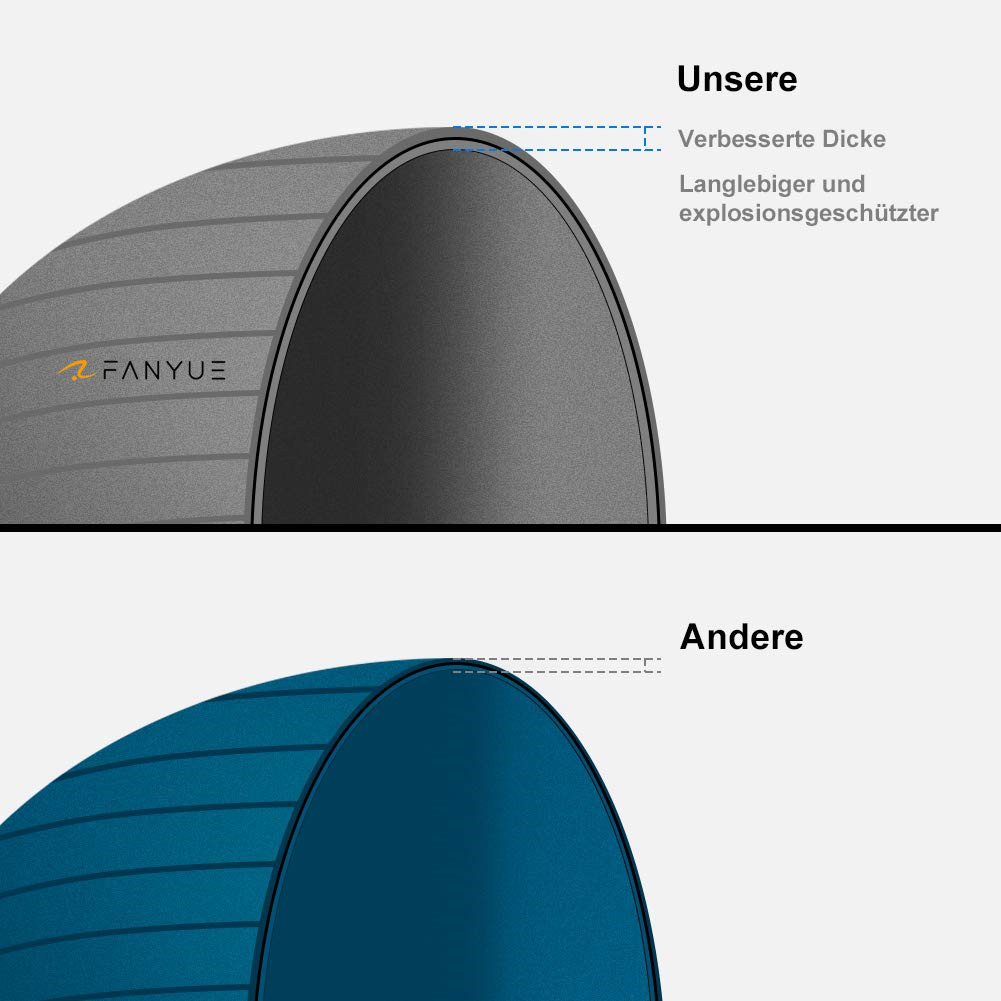
Quality and durability also matter when selecting a yoga ball. An anti-burst yoga ball made from thick, reinforced PVC ensures safety during high-load exercises. A non-slip surface texture on the yoga ball provides grip and control across a variety of movements. Investing in a well-constructed yoga ball directly affects training safety and long-term performance.
Structuring a Yoga Ball Conditioning Program
To maximize full-body conditioning results, a yoga ball program should include movements from all major categories: core stabilization, lower-body strength, upper-body strength, and mobility. Dedicating two to three yoga ball sessions per week, each lasting 30 to 45 minutes, is sufficient to produce noticeable improvements in strength, balance, and functional fitness over a period of four to eight weeks. Progressive overload can be applied by increasing resistance, reducing rest intervals, or advancing to more technically demanding yoga ball movements.
FAQ
Can beginners use a yoga ball for full-body conditioning?
Yes, beginners can absolutely start yoga ball training. The yoga ball offers scalable difficulty, meaning that simpler movements such as seated balance holds and basic yoga ball bridges are accessible even without prior fitness experience. As confidence and strength develop, more demanding yoga ball exercises can be introduced gradually.
How often should I train with a yoga ball to see conditioning results?
Training with a yoga ball two to three times per week is generally sufficient to see measurable conditioning improvements within four to six weeks. Consistency matters more than session frequency. Each yoga ball session should include a variety of movement patterns to ensure comprehensive full-body development.
Is a yoga ball safe for people with back problems?
A yoga ball is widely used in physical therapy and rehabilitation for individuals with back issues. However, it is important to start with low-intensity yoga ball exercises and consult a qualified professional before beginning. When used appropriately, the yoga ball can strengthen the core and improve spinal support, which often reduces back discomfort over time.