 EN
EN


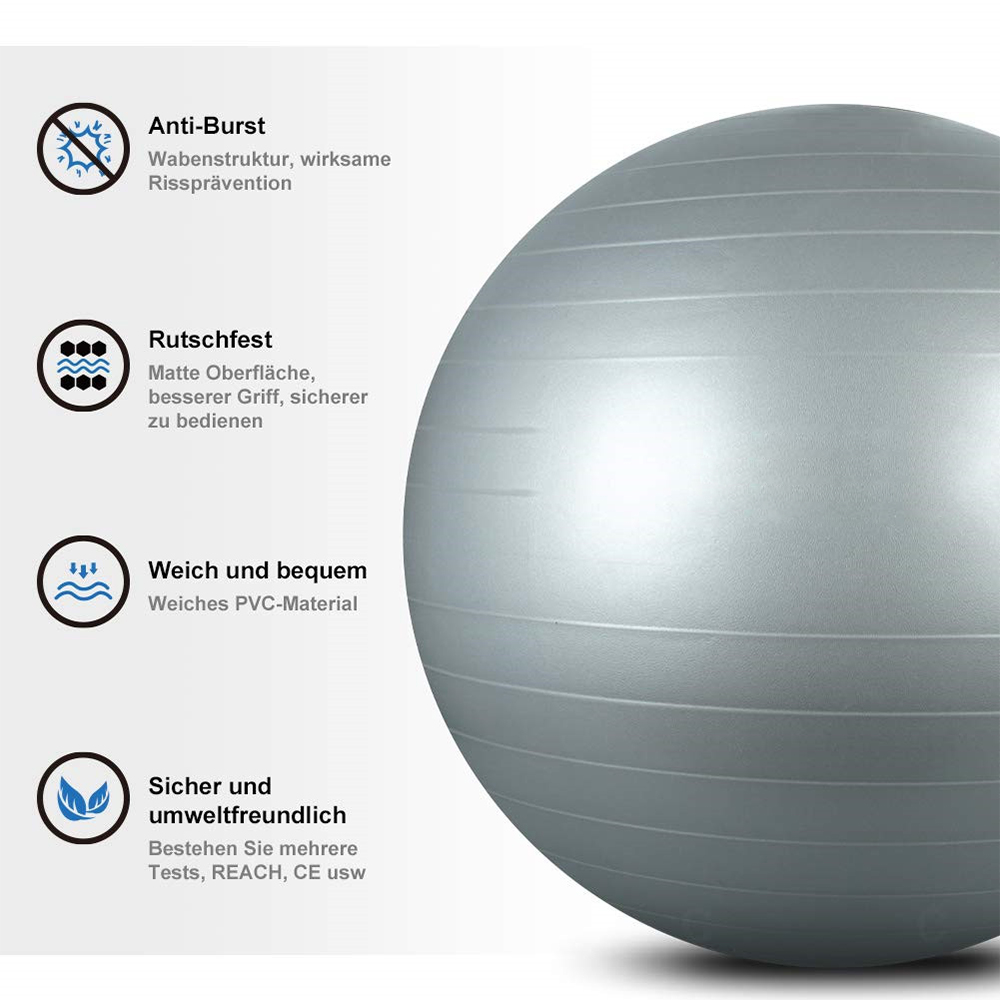
If you have ever walked into a gym or a personal training session, chances are you have spotted a large, inflated sphere sitting in the corner. The yoga ball has become one of the most recognized and recommended pieces of fitness equipment in professional training environments. Its presence is no accident — certified trainers actively encourage clients to incorporate the yoga ball into their routines for very specific, evidence-backed reasons.
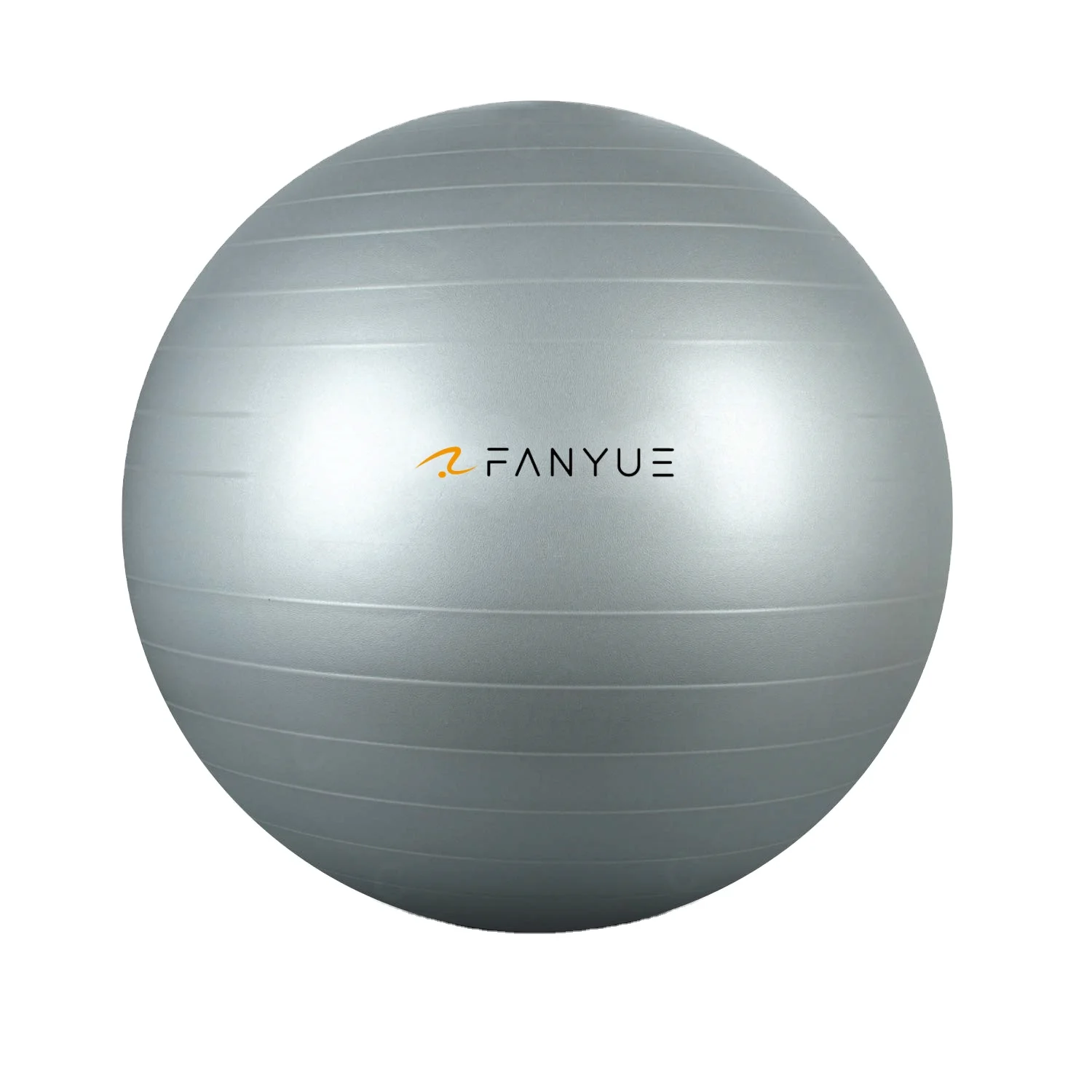
Understanding why personal trainers consistently reach for the yoga ball as a go-to training tool requires looking at how it challenges the body differently from flat-surface exercises. The yoga ball introduces instability, which forces deeper muscle engagement, improved coordination, and functional strength development. Whether you are a beginner or an advanced athlete, the yoga ball offers layers of benefit that flat benches and standard gym machines simply cannot replicate.
Core Activation and Stability Training
Why the Yoga Ball Demands More from Your Core
One of the primary reasons personal trainers recommend the yoga ball is its unmatched ability to activate core muscles during virtually every exercise. When you sit, lie, or balance on a yoga ball, your body must continuously make small postural adjustments to maintain stability. These micro-adjustments recruit deep stabilizer muscles, including the transverse abdominis and multifidus, which are rarely targeted by conventional gym equipment. Trainers know that a strong core is the foundation of all movement, and the yoga ball creates that challenge naturally.
Unlike a flat bench, the yoga ball never allows your body to become passive. Every movement performed on or with the yoga ball demands active muscular engagement. This means a basic exercise like a dumbbell press becomes a full-body stability challenge when executed on a yoga ball. Trainers use this principle to maximize workout efficiency — clients build core strength simultaneously with other targeted exercises, making every session more productive.
Postural Benefits of Regular Yoga Ball Use
Posture correction is another compelling reason trainers bring the yoga ball into client programs. Sitting or exercising on a yoga ball encourages a naturally upright spinal position. When the core is engaged and the pelvis is properly aligned on a yoga ball, the lower back experiences less compression and the shoulders naturally retract. Over time, consistent yoga ball training helps clients develop the muscular memory and strength needed to maintain healthy posture throughout daily activities. Trainers who work with desk-bound clients find the yoga ball particularly valuable for addressing the postural imbalances that prolonged sitting creates.
Balance, Coordination, and Functional Fitness
How the Yoga Ball Improves Athletic Performance
Balance is a physical quality that deteriorates without regular training, and the yoga ball is one of the most effective tools available for developing it. When a client performs squats, planks, or push-ups using a yoga ball, the nervous system is forced to process rapid feedback about body position and adjust accordingly. This neuromuscular training translates directly into better athletic performance, faster reaction times, and reduced injury risk. Personal trainers working with sport-specific clients often prioritize yoga ball drills because of these functional carry-over benefits.
Coordination is similarly improved through yoga ball training. Exercises that pair upper and lower body movements on a yoga ball require both hemispheres of the brain to coordinate simultaneously. This challenge builds the kind of whole-body awareness that supports safer, more efficient movement in everyday life as well as competitive sport. The yoga ball is not merely a rehabilitation device — it is a serious performance-enhancement tool that professional trainers respect and regularly program.
Adaptability Across Fitness Levels
Another reason trainers favor the yoga ball is its remarkable adaptability. A yoga ball can be scaled to suit beginners who need gentle core activation as well as advanced athletes seeking high-intensity stability challenges. Trainers simply adjust the exercise type, range of motion, or load to match the client's current fitness level. This versatility means the yoga ball remains a relevant training tool throughout an entire client's fitness journey, from rehabilitation after injury to high-performance conditioning.
Rehabilitation, Recovery, and Low-Impact Training
Using the Yoga Ball for Safe Rehabilitation
Physical therapists and personal trainers working with injured or post-surgical clients frequently introduce the yoga ball as a rehabilitation aid. The soft, compliant surface of the yoga ball allows for gentle range-of-motion work without placing excessive stress on vulnerable joints. Trainers can design yoga ball protocols that rebuild strength in the lower back, hips, and knees progressively and safely. The yoga ball provides just enough resistance and instability to stimulate recovery without overloading healing tissue.
For clients managing chronic conditions such as lower back pain, the yoga ball has demonstrated meaningful benefit when used consistently under proper guidance. Trainers incorporate yoga ball exercises that decompress the spine, strengthen supporting musculature, and restore healthy movement patterns. The yoga ball is gentle enough for daily use, making it ideal for therapeutic home exercise programs that trainers prescribe between sessions.
Low-Impact Cardio and Flexibility Work
The yoga ball is also valued for low-impact cardiovascular conditioning and flexibility training. Gentle bouncing on a yoga ball elevates heart rate mildly while keeping joint stress minimal, making it suitable for older adults or those returning from injury. Trainers often use the yoga ball as a prop in stretching routines, allowing clients to achieve greater range of motion in hip flexors, thoracic spine, and hamstrings than static floor stretches permit. This flexibility application reinforces why the yoga ball remains a permanent fixture in well-rounded training programs.
FAQ
How often should I use a yoga ball in my training program?
Most personal trainers recommend incorporating yoga ball exercises two to four times per week, depending on your goals and current fitness level. If you are using the yoga ball primarily for core stability or rehabilitation, daily light sessions on the yoga ball are generally safe. For higher-intensity yoga ball training, allowing recovery days between sessions helps prevent overuse and supports progressive adaptation.
What size yoga ball is best for general fitness training?
Choosing the correct yoga ball size depends primarily on your height. As a general guideline, individuals under 5 feet 4 inches typically use a 55 cm yoga ball, those between 5 feet 4 inches and 5 feet 10 inches use a 65 cm yoga ball, and taller individuals generally prefer a 75 cm yoga ball. Your trainer can help you confirm the right yoga ball size based on your specific exercise goals and body proportions.
Is a yoga ball safe for people with lower back pain?
Yes, a yoga ball can be safe and beneficial for people with lower back pain when used correctly and under appropriate professional guidance. The yoga ball supports gentle spinal decompression, encourages natural lumbar curvature, and activates the stabilizing muscles that protect the spine. However, individuals with acute injuries or severe conditions should consult a healthcare provider before beginning any yoga ball exercise program to ensure it is appropriate for their specific situation.