 EN
EN


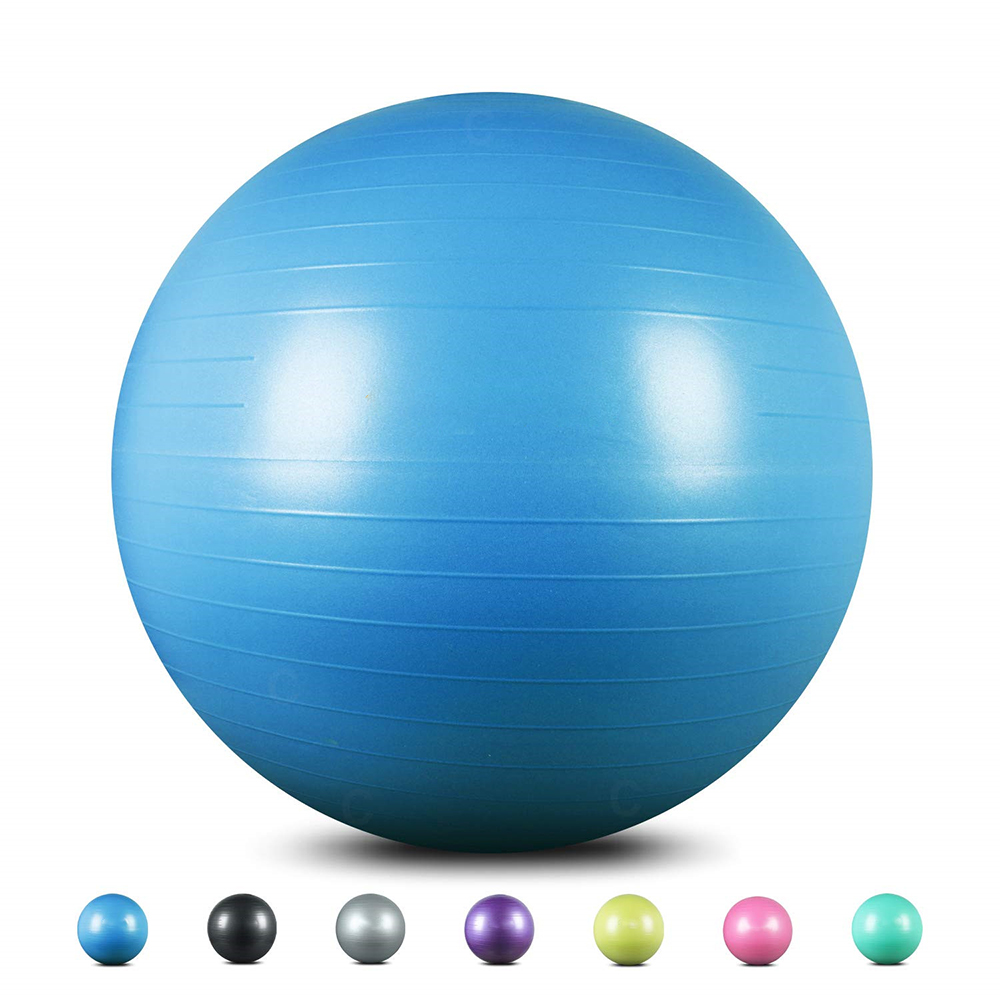
The yoga ball has quietly become one of the most recognized tools in the global wellness market. Once confined to physical therapy clinics and specialist gyms, the yoga ball now appears in home studios, corporate offices, rehabilitation centers, and yoga classes around the world. Its sustained growth in consumer demand is not a coincidence — it reflects a deep alignment between what this product offers and what modern wellness seekers genuinely need.
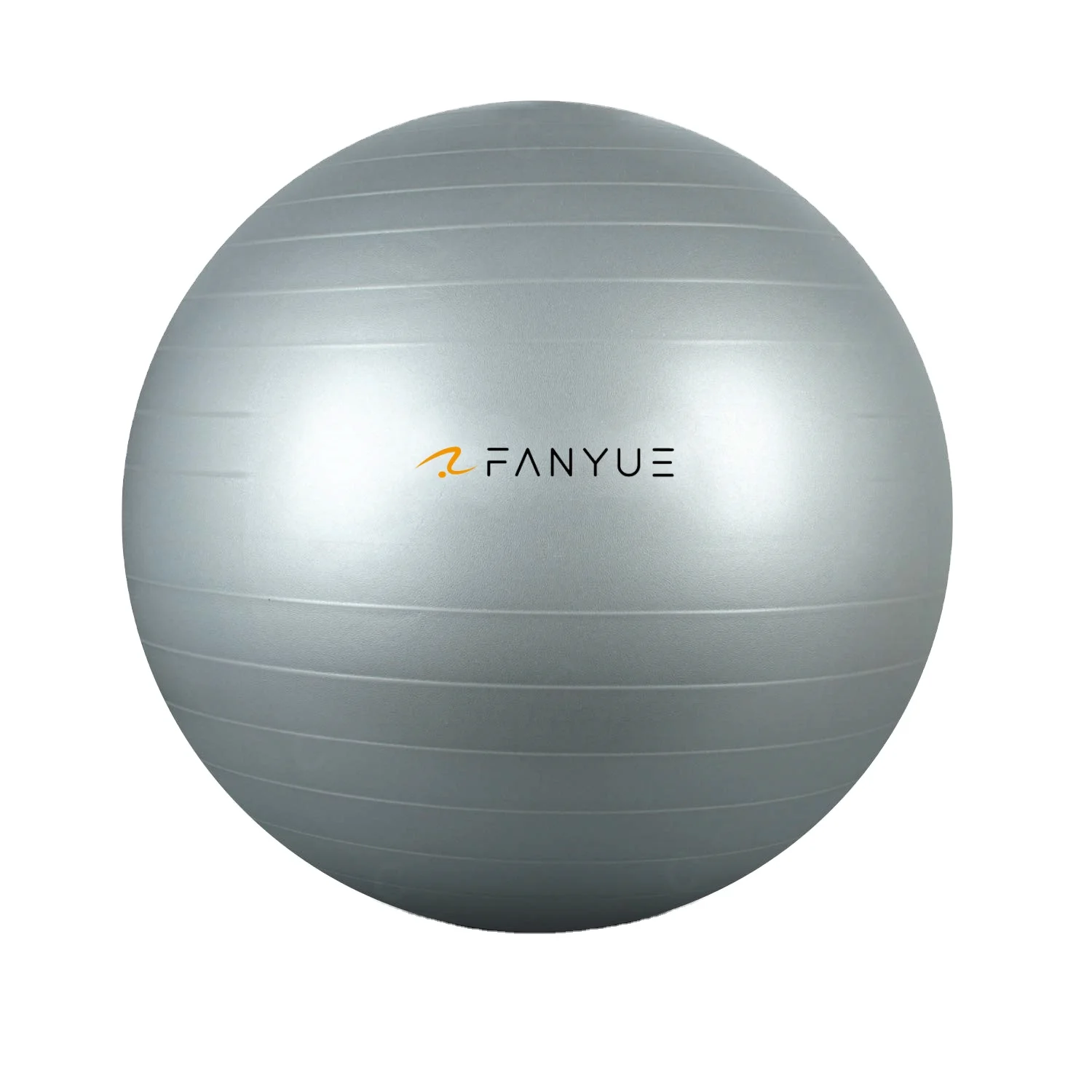
Understanding why the yoga ball resonates so strongly across wellness markets requires looking at its functional range, accessibility, and the evolving attitudes around preventive health. The yoga ball delivers practical value at a price point that suits both individual consumers and bulk buyers in the fitness trade. This combination of usability, versatility, and affordability is central to its market popularity and makes it a strong product category for wellness-focused businesses.
Functional Versatility Drives Yoga Ball Demand
A Single Tool With Multiple Applications
One of the strongest reasons behind the popularity of the yoga ball is its extraordinary range of applications. A single yoga ball can serve as a core strengthening tool, a balance trainer, a stretching aid, a posture corrector, and even a low-impact cardio prop. This multi-use nature means that buyers see strong value in every purchase. Whether a person is focused on rehabilitation, general fitness, prenatal exercise, or office ergonomics, the yoga ball fits naturally into their routine.
Fitness instructors rely on the yoga ball to add instability-based challenges to standard exercise programs. Personal trainers use the yoga ball to engage the stabilizer muscles that flat surfaces cannot activate. Yoga and Pilates instructors incorporate the yoga ball into both beginner and advanced sessions. This cross-discipline appeal expands the yoga ball's market reach far beyond a single fitness niche.
Adaptability Across Skill Levels
The yoga ball is one of the few fitness products that genuinely serves everyone from complete beginners to seasoned athletes. A beginner can use a yoga ball for simple seated balance work or gentle core engagement, while an advanced user can incorporate it into complex strength and flexibility routines. This scalability removes the common barrier of product obsolescence — a consumer does not outgrow a yoga ball the way they might outgrow resistance bands set to a fixed tension.
Wellness brands and fitness retailers appreciate this quality because it means the yoga ball remains relevant throughout a customer's entire fitness journey. Repeat purchases are common as consumers buy additional yoga ball sizes for different exercises or replace older units. This lifecycle dynamic supports consistent sales volume in the wellness product category.
Health and Ergonomic Benefits Support Market Growth
Posture and Core Health as Consumer Priorities
Modern sedentary lifestyles have made posture correction and core health mainstream wellness concerns. The yoga ball directly addresses both. Sitting on a yoga ball as an alternative to a standard chair encourages the user to maintain an upright posture through continuous micro-adjustments. This passive engagement of the core muscles makes the yoga ball a practical ergonomic tool for home and office environments alike.
As awareness of the health risks associated with prolonged sitting has grown, so has consumer interest in active seating solutions. The yoga ball fits neatly into this trend. Many remote workers now keep a yoga ball at their desk alongside or instead of a conventional chair. This shift in use case has expanded the yoga ball's audience well beyond traditional gym-goers and into everyday professional environments.
Rehabilitation and Low-Impact Exercise Appeal
Healthcare professionals including physiotherapists and chiropractors have long recommended the yoga ball for rehabilitation exercises. The soft, responsive surface of a yoga ball allows patients to perform controlled movements that build strength without placing stress on injured joints. This therapeutic credibility gives the yoga ball a level of professional endorsement that few fitness accessories can match.
For older adults and individuals managing chronic pain or recovering from injuries, the yoga ball offers a gentle entry point into physical activity. Low-impact yoga ball exercises support flexibility, balance, and muscle engagement without the joint strain associated with high-intensity equipment. This broad health inclusivity strengthens the yoga ball's position across multiple wellness demographics simultaneously.
Market Accessibility and Product Quality Factors
Price and Availability Align With Consumer Expectations
The yoga ball occupies a favorable position in the fitness product pricing spectrum. It is affordable enough for impulse or low-consideration purchases by individual consumers, yet substantial enough to offer perceived value. For wholesale buyers and fitness businesses, the yoga ball is a high-margin category with reliable turnover. Anti-burst PVC construction, non-slip surfaces, and multi-size availability have raised product quality standards while keeping retail prices accessible.
Consumers today expect their yoga ball to meet basic safety and durability standards. Products featuring anti-burst technology and textured non-slip finishes command trust and positive reviews, which in turn support organic sales growth. Retailers and distributors who source quality yoga ball products benefit from lower return rates and stronger repeat business from satisfied customers.
Visual Appeal and Brand Alignment in Wellness Culture
The yoga ball has also benefited from its strong visual association with active, healthy lifestyles. Its presence in wellness content across digital platforms reinforces its status as a recognizable symbol of fitness culture. For wellness brands building product ranges, the yoga ball aligns naturally with values of movement, balance, and holistic health. This cultural embeddedness makes the yoga ball an easy sell within communities already engaged with fitness and self-care.
Color variety, size range, and customization options have made the yoga ball attractive for branded wellness programs, corporate wellness initiatives, and gym kit packages. Businesses that include a yoga ball in their product offering signal alignment with contemporary wellness values, which positively impacts brand perception among health-conscious consumers.
FAQ
What size yoga ball is most suitable for general fitness use?
The most commonly recommended yoga ball size for general fitness is 65 cm, which suits adults of average height. A 55 cm yoga ball is better suited to shorter users, while a 75 cm yoga ball works well for taller individuals. Matching yoga ball size to user height ensures correct posture alignment and exercise effectiveness.
Is a yoga ball safe for daily use at a desk or office setting?
Yes, a yoga ball can be used safely for sitting at a desk when used in moderation. Alternating between a yoga ball and a standard chair throughout the day is generally recommended to avoid fatigue. Anti-burst and non-slip yoga ball models are particularly suitable for office environments due to their stability and safety features.
How does anti-burst construction affect yoga ball performance and safety?
Anti-burst yoga ball construction uses thickened PVC material designed to deflate slowly rather than burst suddenly if punctured. This makes the yoga ball significantly safer for users who are exercising at height or with added body weight. For commercial gym use and rehabilitation settings, anti-burst yoga ball products are the professional standard.