 EN
EN



Rehabilitation clinics across the world are increasingly incorporating the yoga ball into structured exercise programs designed to help patients recover from injuries, surgeries, and chronic musculoskeletal conditions. Unlike rigid gym equipment, the yoga ball introduces an element of instability that actively challenges the body's neuromuscular system, making every movement more therapeutically purposeful. Clinicians have recognized that this simple, inflatable tool delivers surprisingly complex benefits when used with intention and clinical guidance. The growing adoption of the yoga ball in rehab settings is not a trend — it reflects a well-supported shift in how modern rehabilitation science approaches functional recovery.
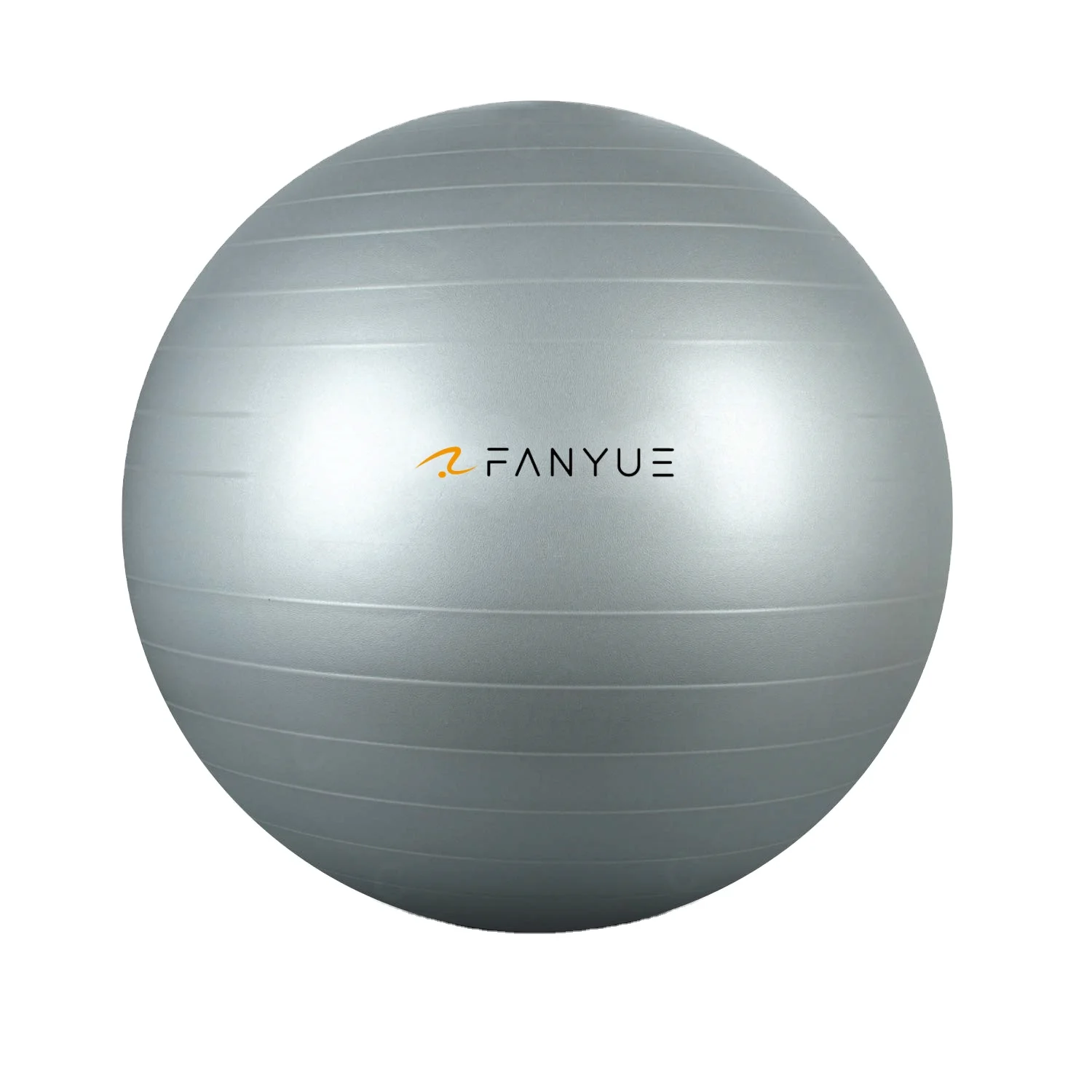
From post-surgical patients rebuilding lower limb strength to office workers recovering from chronic back pain, the yoga ball serves a remarkably broad patient population. Rehabilitation professionals use the yoga ball not as a replacement for clinical techniques but as a versatile adjunct that bridges the gap between passive therapy and active functional movement. Understanding why clinics specifically choose yoga ball programs — rather than other exercise modalities — requires looking closely at what this tool offers that conventional equipment often cannot.
The Therapeutic Science Behind the Yoga Ball
Instability as a Therapeutic Mechanism
The defining characteristic of the yoga ball is its unstable surface. When a patient sits, lies, or performs movement on a yoga ball, the body is required to continuously recruit stabilizing muscles that would remain largely passive on a flat, rigid surface. This constant micro-adjustment activates the deep core musculature, including the transverse abdominis and multifidus, which are often weakened following injury or prolonged immobility. Rehabilitative use of the yoga ball therefore works these stabilizing muscles in a way that mirrors real-world functional demands far more closely than isolated machine-based exercises. Clinical research in physical therapy supports the view that instability training with a yoga ball promotes faster neuromuscular re-education in patients recovering from lumbar injuries and lower extremity conditions.
Proprioception and Balance Recovery
Proprioception — the body's ability to sense its own position and movement — is frequently disrupted after injury, particularly in the ankles, knees, and lumbar spine. The yoga ball is one of the most effective tools rehabilitation clinics use to retrain proprioceptive pathways because its surface demands constant sensory feedback and postural correction. Patients performing yoga ball exercises must respond to small shifts in balance, gradually rebuilding the neural connections that coordinate movement. This makes the yoga ball especially valuable in programs for patients who have experienced ligament tears, joint replacements, or neurological conditions that impair balance and coordination. Over time, consistent yoga ball training translates into measurable improvements in dynamic stability that protect patients from reinjury.
Clinical Applications Across Patient Populations
Spinal Rehabilitation and Core Strengthening
One of the most documented uses of the yoga ball in rehabilitation clinics is spinal rehabilitation. Patients with herniated discs, spinal stenosis, or post-fusion recovery often present with significant core weakness that perpetuates pain and movement dysfunction. The yoga ball allows therapists to design progressive core strengthening protocols that begin gently and advance in complexity as the patient gains strength and confidence. Exercises such as seated pelvic tilts on the yoga ball, supine bridge progressions, and prone spinal extension work engage the deep stabilizers without placing excessive compressive load on the spine. The yoga ball also encourages optimal spinal alignment during seated exercises, which directly supports the retraining of posture habits that contribute to chronic pain.
Lower Extremity and Post-Surgical Recovery
Beyond the spine, the yoga ball plays a significant role in lower extremity rehabilitation, particularly following knee and hip surgeries. Therapists use the yoga ball to facilitate wall-supported squats that control range of motion while building quadriceps and gluteal strength safely. The yoga ball is also positioned under the legs during supine hamstring curls, creating a closed kinetic chain exercise that rebuilds posterior chain strength with minimal joint stress. For patients recovering from total knee replacement or ACL reconstruction, this kind of controlled, low-impact work on the yoga ball accelerates functional gains while respecting healing tissue constraints. The adaptability of yoga ball exercises to different body positions and resistance levels makes it an ideal tool for tailoring programs to individual recovery timelines.
Why Clinics Choose the Yoga Ball Over Other Equipment
Versatility, Safety, and Patient Engagement
Rehabilitation clinics work with patients who have widely varying conditions, fitness levels, and psychological relationships with exercise. The yoga ball is non-intimidating, easy to size appropriately for different body heights, and suitable for exercises ranging from gentle mobility work to advanced strength challenges. Anti-burst construction in professional-grade yoga ball products means that safety is maintained even under significant patient load, which is a critical consideration in clinical environments. The yoga ball also tends to increase patient engagement and motivation because exercises often feel less clinical and more accessible than machine-based alternatives. When patients enjoy and feel confident in their rehabilitation exercises, adherence improves — and adherence is one of the strongest predictors of recovery outcomes in physical therapy programs.
Cost-Effectiveness and Clinical Efficiency
From an operational standpoint, the yoga ball offers exceptional value for rehabilitation clinics managing diverse caseloads with limited floor space and budget. A single yoga ball can be used for dozens of different exercises targeting the core, upper body, lower extremity, and balance systems. Unlike bulky rehabilitation machines that serve narrow purposes, the yoga ball is lightweight, easily repositioned, and available in multiple sizes to accommodate different patient demographics. Clinics can efficiently integrate the yoga ball into one-on-one therapy sessions, small group classes, and home exercise programs without significant logistical overhead. This combination of clinical effectiveness and operational efficiency explains why the yoga ball has become a staple rather than a novelty in professional rehabilitation settings.
FAQ
What size yoga ball is appropriate for rehabilitation use?
The correct yoga ball size depends primarily on patient height. A 55 cm yoga ball is generally appropriate for individuals between 155 and 170 cm tall, while a 65 cm yoga ball suits those between 170 and 185 cm. Taller patients typically use a 75 cm yoga ball. In clinical settings, therapists select the yoga ball size that allows the patient's hips and knees to maintain a 90-degree angle when seated, which optimizes spinal alignment and exercise effectiveness. Using the right yoga ball size is essential to achieving the intended therapeutic benefit and preventing compensatory movement patterns.
Is a yoga ball safe for patients with severe spinal conditions?
A yoga ball can be safely used for many patients with spinal conditions when exercises are prescribed and supervised by a qualified physiotherapist. For patients with acute disc herniation, vertebral fractures, or severe osteoporosis, the therapist will carefully screen and modify yoga ball exercises to match the patient's pain tolerance and structural limitations. Anti-burst yoga ball products rated for appropriate weight capacity provide an additional layer of safety in clinical environments. The yoga ball is typically introduced gradually, starting with supported seated positions before progressing to more challenging unstable movements, ensuring that patients build confidence and strength progressively without risking harm.
Can patients continue yoga ball exercises at home after clinic discharge?
Yes, one of the significant advantages of the yoga ball in rehabilitation is how well it translates into home exercise programs. Because the yoga ball is affordable, portable, and requires no special installation, patients can continue their prescribed exercise routines at home after discharge from the clinic. Therapists typically provide written or video-guided home programs built around the yoga ball to ensure patients maintain their rehabilitation gains and continue progressing toward full functional recovery. Consistent home use of the yoga ball between clinic visits and after discharge has been shown to support better long-term outcomes, including reduced reinjury rates and sustained improvements in core strength and balance.